



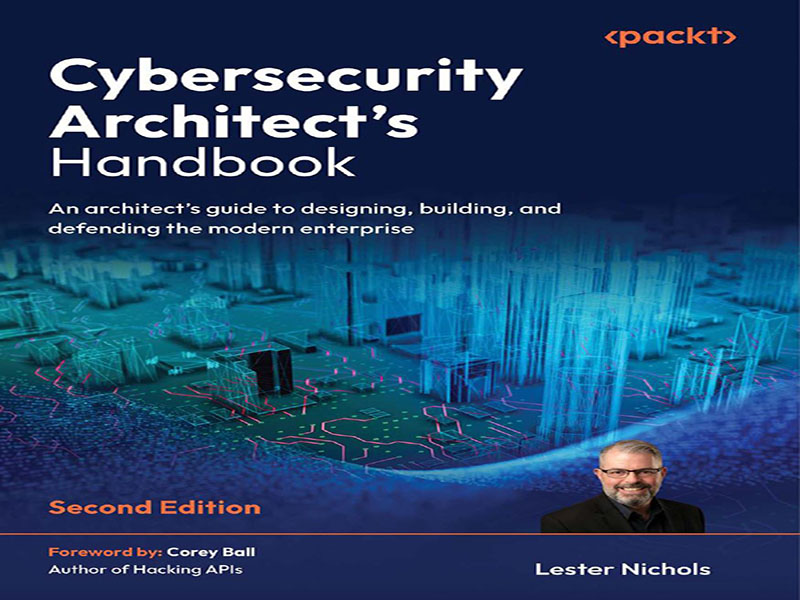
- عنوان کتاب: Cybersecurity Architects Handbook, Second Edition
- نویسنده: Lester Nichols
- حوزه: امنیت سایبری
- سال انتشار: 2026
- تعداد صفحه: 702
- زبان اصلی: انگلیسی
- نوع فایل: pdf
- حجم فایل: 6.21 مگابایت
ویرایش دوم کتاب «راهنمای معمار امنیت سایبری» با بیانیهای آغاز میشود که فراتر از استخدام و به دنبال ایجاد مشاغل معنادار با پتانسیل رشد است. بیش از دو هزار سال پیش، ژنرال نظامی چینی، سان تزو، اصول درگیری را بیان کرد که امروزه به همان اندازه که نوشته شدهاند، مرتبط هستند. او نمیتوانست هوش مصنوعی، محاسبات ابری یا اکسپلویتهای روز صفر را تصور کند. اما او چیزی جاودانه را درک میکرد: اینکه درگیری توسط اصول جهانی استراتژی، آمادگی، سازگاری و دانش اداره میشود. ما از خرد جاودانه کتاب «هنر جنگ» سان تزو نه به عنوان یک شاهکار ادبی، بلکه به عنوان یک لنگر فلسفی استفاده میکنیم – یادآوری اینکه اصول حاکم بر درگیری، استراتژی و پیروزی هزاران سال بدون تغییر باقی ماندهاند، حتی زمانی که میدان نبرد از دشتهای باز به کابلهای فیبر نوری و محیطهای ابری مهاجرت کرده است. فلسفه او به عنوان یک چارچوب ساختاری برای این کتاب عمل کرده است تا درک کنیم که چرا معماری امنیت سایبری اهمیت دارد و چگونه باید آن را به کار گرفت. یک معمار امنیت سایبری صرفاً کسی نیست که فایروالها را پیکربندی میکند و نمودارهای شبکه را بررسی میکند، بلکه یک متخصص تاکتیک، یک برنامهریز و یک رهبر است که کل میدان نبرد را میبیند و تصمیماتی میگیرد که تعیین میکند آیا یک سازمان زنده میماند یا سقوط میکند. همانطور که سان تزو به ما میآموزد، هنر عالی جنگ، مطیع کردن دشمن بدون جنگیدن است – و در امنیت سایبری، این به معنای ساختن معماریهایی چنان مقاوم و چنان هوشمندانه طراحی شده است که بازیگران تهدید قبل از اینکه دروازهها را بشکنند، منصرف میشوند. در هر مرحله، سان تزو مقایسه استراتژیک ما بوده است. پنج اصل استراتژیک در هر فصل به کار رفته است: -خودت را بشناس، دشمنت را بشناس: این اصل در تمام فصلها اعمال میشود زیرا معمار امنیت سایبری که ابتدا بر اصول اولیه زمینی که از آن دفاع میکند تسلط ندارد، هیچ تفاوتی با ژنرالی ندارد که ارتشی را بدون نقشه به سرزمینی ناآشنا میفرستد. -پیروزی بدون جنگ: هر کنترل طراحی شده، هر بهترین شیوه، هر الگوی معماری با هدف جلوگیری از حملات قبل از وقوع آنها است. پیروزی از طریق طراحی به جای پاسخ، بالاترین دستاورد یک معمار است. -مثل آب باشید: این به معنای انعطافپذیری و سازگاری در استراتژی صدور گواهینامه، منطقیسازی ابزار، سازگاریهای خاص دامنه و انعطافپذیری در مواجهه با آینده است. انعطافناپذیری در امنیت سایبری مرگ است. یک معمار کارآمد، رویکرد خود را با توجه به زمینه خاصی که در آن ایستاده است، شکل میدهد. -بیوقفه آماده شوید: آمادگی پیروزی است. از نقشههای راه شغلی گرفته تا شیوههای مستندسازی، از اصول معماری گرفته تا تمرینهای طرحریزی، نبرد با آمادگی به پایان میرسد. معماری که تهدیدها را به طور کامل مدلسازی کرده، معماریها را مستندسازی کرده و سیستمهای انعطافپذیر ساخته است، پیش از شروع، در بیشتر تعاملات پیروز شده است. – وحدت هدف: نیروهای خود را در یک هدف مشترک متحد کنید، معماری امنیتی را با استراتژی کسبوکار همسو کنید. بهترین معماری اگر سازمان آن را نپذیرد، بیارزش است.
The second edition of Cybersecurity Architect’s Handbook opens with a declaration that aims beyond job placement and toward building meaningful careers with growth potential. Over two thousand years ago, the Chinese military general Sun Tzu, articulated principles of conflict that remain as relevant today as the day they were written. He could not have imagined artificial intelligence, cloud-native computing, or zero-day exploits. But he understood something timeless: that conflict is governed by universal principles of strategy, preparation, adaptation, and knowledge. We draw upon the timeless wisdom of Sun Tzu’s The Art of War not as a literary flourish, but as a philosophical anchor—a reminder that the principles governing conflict, strategy, and victory have remained unchanged for thousands of years, even as the battlefield has migrated from open plains to fiber-optic cables and cloud environments. His philosophy has served as a structural framework for this book to understand why cybersecurity architecture matters and how it should be practiced. A cybersecurity architect is not simply someone who configures firewalls and reviews network diagrams, but a tactician, a planner, and a leader who sees the entire battlefield and makes decisions that determine whether an organization survives or falls. As Sun Tzu teaches us, the supreme art of war is to subdue the enemy without fighting—and in cybersecurity, this translates to building architectures so resilient and so intelligently designed that threat actors are deterred before they ever breach the gates. At every stage, Sun Tzu has been our strategic comparison. Five strategic principles weave through every chapter: -Know yourself, know your enemy: This principle is applied across all the chapters because the cybersecurity architect who does not first master the fundamentals of the terrain they defend is no different from a general who marches an army into unfamiliar territory without a map. -Win without fighting: Every control designed, every best practice, every architecture pattern aims to deter attacks before they occur. Victory through design rather than response is an architect’s highest achievement. -Be like water: This means flexibility and adaptation in certification strategy, tool rationalization, domain-specific adaptations, and future-facing flexibility. Rigidity is death in cybersecurity. An efficient architect shapes their approach to the specific ground on which they stand. -Prepare relentlessly: Preparation is victory. From career roadmaps to documentation practices, from architecture principles to blueprinting exercises, the battle is won in preparation. The architect who has thoroughly modeled threats, documented architectures, and built resilient systems has already won most engagements before they begin. – Unity of purpose: Unite your forces in common purpose, align security architecture with business strategy. The best architecture is worthless if the organization does not embrace it.
این کتاب را میتوانید از لینک زیر بصورت رایگان دانلود کنید:
Download: Cybersecurity Architects Handbook
















نظرات کاربران