



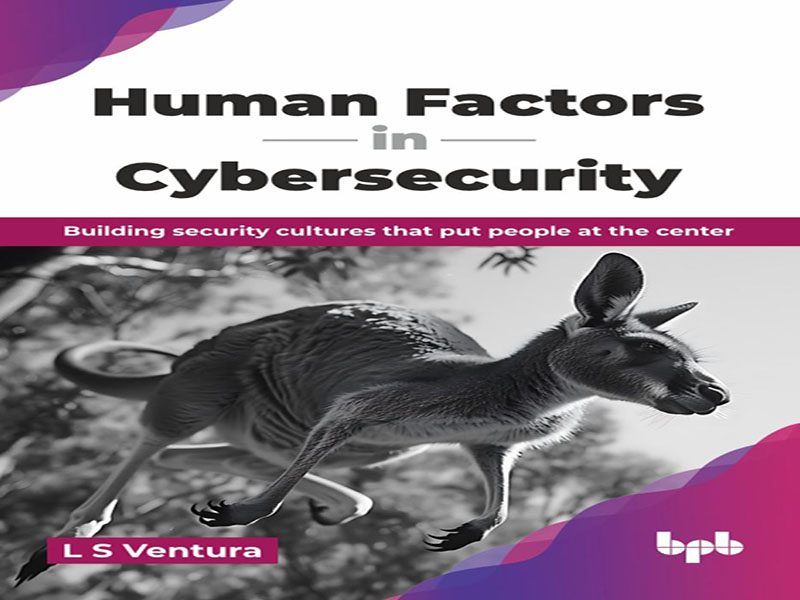
- عنوان کتاب: Human Factors in Cybersecurity -Building security cultures that put people at the center
- نویسنده: L S Ventura
- حوزه: امنیت سایبری
- سال انتشار: 2026
- تعداد صفحه: 261
- زبان اصلی: انگلیسی
- نوع فایل: pdf
- حجم فایل: 6.34 مگابایت
نود و پنج درصد از حملات سایبری موفق به عوامل انسانی نسبت داده میشود. این آمار جدیدی نیست، اما واکنش صنعت به آن برای دههها سرسختانه بدون تغییر باقی مانده است: آموزش بیشتر برای انطباق با قوانین، شبیهسازیهای بیشتر برای فیشینگ، سیاستهای بیشتر و سرزنش بیشتر وقتی افراد ناگزیر کوتاهی میکنند. این کتاب استدلال میکند که یک رویکرد اساساً متفاوت، هم ممکن و هم ضروری است. این کتاب برای رهبران امنیتی، متخصصان آگاهیبخشی و هر کسی که معتقد است برخورد با افراد به عنوان ضعیفترین حلقه نه تنها نادرست، بلکه نتیجه معکوس دارد، نوشته شده است. این کتاب با بهرهگیری از روانشناسی، علوم رفتاری، تحقیقات فرهنگ سازمانی و بیش از شانزده سال تجربه عملی در زمینه آگاهیبخشی امنیتی، چارچوبی جامع برای ایجاد فرهنگهای امنیتی ارائه میدهد که به جای تنبیه، توانمندسازی میکنند، آنچه مهم است را اندازهگیری میکنند و تغییرات رفتاری واقعی را در طول زمان حفظ میکنند.
Ninety five percent of successful cyberattacks are attributed to human factors. This is not a new statistic, yet the industry’s response to it has remained stubbornly unchanged for decades: more compliance training, more phishing simulations, more policies, and more blame when people inevitably fall short. This book argues that a fundamentally different approach is both possible and necessary. This book is written for security leaders, awareness professionals and anyone who believes that treating people as the weakest link is not only inaccurate but counterproductive. Drawing on psychology, behavioral science, organizational culture research and over sixteen years of practical experience in security awareness, this book provides a comprehensive framework for building security cultures that empower rather than punish, that measure what matters, and that sustain genuine behavioral change over time. The book is structured to take readers on a journey from understanding the problem to designing, implementing and measuring the solution: Chapter 1: Psychology of Cyber Vulnerabilities- Explores the cognitive biases and mental shortcuts that social engineers exploit, providing a foundation for understanding why people behave the way they do under pressure. Chapter 2: Cost of Human Error in Cybersecurity- Quantifies the true impact of human-centered incidents, revealing the hidden indirect costs that typically exceed direct costs by 200 to 400%. Chapter 3: Building Security Aware Workforces- Moves beyond annual compliance training to evidence based approaches including spaced learning, phishing simulation program design and security awareness maturity modeling. Chapter 4: Human-centered Incident Response- Addresses the psychological and emotional dimensions of crisis management, covering stress performance optimisation, cognitive load management and blameless post incident learning. Chapter 5: Zero Trust for People and Processes- Reframes Zero Trust architecture through a human centred lens, demonstrating how adaptive authentication can match friction to actual risk. Chapter 6: Behavioral Analytics and Risk Profiling- Examines how UEBA and SIEM technologies can be deployed ethically with privacy by design principles, moving from surveillance to supportive monitoring. Chapter 7: AI-driven Human Defense- Explores how threat intelligence platforms feed proactive culture development and how scenario planning prepares organizations for unknown future challenges. Chapter 8: Measuring Security Culture and Behavioral Change- Introduces a dual metrics framework combining quantitative indicators with qualitative insights to provide a complete picture of cultural health. Chapter 9: Building Resilient Security Teams- Addresses hiring, talent development, burnout prevention and cross functional collaboration, with an emphasis on neuro inclusion and diverse career pathways. Chapter 10: Behavioral Patterns and Risk Factors- Maps Big Five personality traits and demographic patterns to social engineering susceptibility, providing evidence-based foundations for targeted interventions. Throughout the book, I have deliberately avoided the language of blame, fear and deficit that has characterized so much of the security awareness field. The phrase human firewall does not appear here. Instead, you will find an approach grounded in empowerment, psychological safety and the belief that when organizations invest in their people with care and respect, those people become the strongest line of defense. I hope this book serves as both a practical handbook and a call to action for a more compassionate, effective and sustainable approach to cybersecurity.
این کتاب را میتوانید از لینک زیر بصورت رایگان دانلود کنید:
Download: Human Factors in Cybersecurity
















نظرات کاربران