



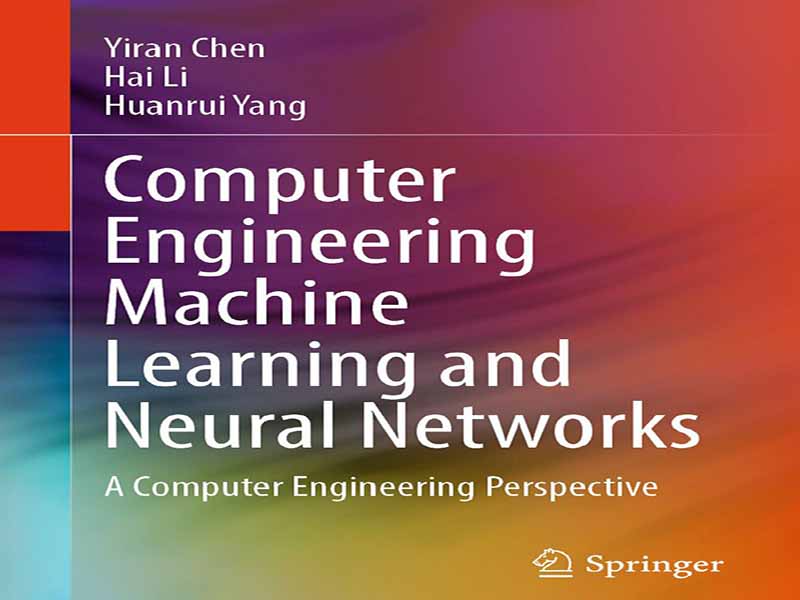
- عنوان کتاب: Computer Engineering Machine Learning and Neural Networks
- نویسنده: Yiran Chen Hai Li Huanrui Yang
- حوزه: یادگیری ماشین
- سال انتشار: 2026
- تعداد صفحه: 416
- زبان اصلی: انگلیسی
- نوع فایل: pdf
- حجم فایل: 13.7 مگابایت
در سال ۲۰۱۹، های (هلن) و ییران با دانشجویانی ملاقات کردند که نیاز به دورهای در دانشگاه دوک را ابراز داشتند که نه تنها الگوریتمهای یادگیری ماشین، بلکه دانش فنی و مهارتهای لازم برای پیادهسازی سیستمهای هوش مصنوعی کارآمد و قوی را نیز آموزش دهد. آنها خیلی زود متوجه شدند که این شکاف مختص دوک نیست: بسیاری از مؤسسات آموزش عالی ایالات متحده فاقد دورههایی هستند که الگوریتمها را با واقعیتهای سختافزار محاسباتی مدرن پیوند دهد. با این حال، بدون رشد نمایی توانایی محاسباتی در دهههای گذشته، شبکههای عصبی عمیق امروزی به اثربخشی و تطبیقپذیری قابل توجهی که اکنون در بسیاری از برنامههای هوش مصنوعی میبینیم، دست نمییافتند. با انگیزه این نیاز، هلن و ییران تصمیم گرفتند دوره جدیدی را برای دوک توسعه دهند تا این خلأ مهم را پر کند. مطالب موجود در این کتاب برای اولین بار در تابستان ۲۰۱۹ برای پشتیبانی از ارائه اولیه رشته مهندسی کامپیوتر، یادگیری ماشین و شبکههای عصبی در بخش مهندسی برق و کامپیوتر (ECE) دانشگاه دوک گردآوری شد. هوانروی یانگ، که در آن زمان دانشجوی دکترا و یکی از نویسندگان این کتاب بود، در طول سه ارائه اول این دوره به عنوان دستیار آموزشی ارشد فعالیت کرد. در طول سالها، این دوره به یکی از محبوبترین کلاسهای سطح تحصیلات تکمیلی در بخش ECE دانشگاه دوک تبدیل شده است که سالانه صدها دانشجو در آن شرکت میکنند. این دوره، درک مکانیسمها، کاربردها و محدودیتهای تکنیکهای مورد استفاده در آموزش و استنتاج مدلهای یادگیری ماشین و شبکههای عصبی عمیق را فراهم میکند. دانشجویان نه تنها تئوری را یاد میگیرند، بلکه نحوه بهبود دقت، اندازه، زمان اجرا و قابلیت اعتماد مدل و همچنین نحوه بهکارگیری شیوههای مهندسی کامپیوتر پرکاربرد در صنعت و دانشگاه را برای توسعه سیستمهای یادگیری ماشین کارآمد نیز میآموزند. در طراحی دوره و تهیه مطالب آن، ما این باور را پذیرفتهایم که هدف آموزش مهندسی کامپیوتر نه تنها انتقال مفاهیم و دانش، بلکه پرورش توانایی دانشجویان برای بهکارگیری آن دانش و کشف ایدههای جدید بهطور مستقل است. این فلسفه بهویژه در حوزه بهسرعت در حال تحول یادگیری ماشین و شبکههای عصبی عمیق حیاتی است. بنابراین، این کتاب «نقشه راه» تکنیکهای شبکه عصبی را ارائه میدهد: با مفاهیم بنیادی و بههمپیوسته آغاز میشود و از طریق دنبالهای از سؤالات تحقیقاتی، ایدهها و نوآوریها پیش میرود. ما تأکید ویژهای بر این داریم که چرا یک تکنیک مورد نیاز است، چگونه کار میکند و چه محدودیتهایی دارد. برخی از این محدودیتها با روشهای بعدی برطرف شدهاند (که نشان میدهند چرا آن تکنیکهای بعدی ضروری شدهاند)، در حالی که برخی دیگر همچنان چالشهای باز باقی ماندهاند – چالشهایی که امیدواریم خوانندگان این کتاب با آنچه در اینجا میآموزند، با آنها مقابله کنند. شش سال از سال ۲۰۱۹ شاهد پیشرفت چشمگیری در یادگیری عمیق، به ویژه با ظهور مدلهای زبانی بزرگ و هوش مصنوعی مولد بوده است. ما از اینکه میبینیم مفاهیم بنیادی و سوالات تحقیقاتی مطرح شده در این کتاب همچنان بسیار مرتبط هستند و همچنان به ارائه راهحلهای عملی برای چالشهای دنیای واقعی کمک میکنند، خرسندیم. این کتاب برای خوانندگانی با پیشینه کم یا بدون پیشینه در یادگیری ماشین که مایل به درک مفاهیم اساسی هستند، و همچنین برای کسانی که تجربه موجود دارند و به دنبال بهبود عملکرد، کارایی، استحکام و قابلیت اعتماد سیستمهای مبتنی بر شبکه عصبی هستند، نوشته شده است. ما معتقدیم که این کتاب میتواند هم به عنوان مقدمهای قابل دسترس برای تازه واردان به یادگیری عمیق و هم به عنوان مرجعی عملی برای متخصصانی که به دنبال راهحلهای خاص برای به کارگیری تکنیکهای هوش مصنوعی در کاربردهای مهندسی کامپیوتر هستند، عمل کند.
Back in 2019, Hai (Helen) and Yiran met with students who expressed a need for a course at Duke University that would teach not only machine learning algorithms but also the technical knowledge and skills required to implement efficient and robust AI systems. They soon realized that this gap was not unique to Duke: many US highereducation institutions lacked courses that bridge algorithms with the realities of modern computing hardware. Yet without the exponential growth of computational capability over the past decades, today’s deep neural networks would not have achieved the remarkable effectiveness and versatility we now see across so many AI applications. Motivated by this need, Helen and Yiran decided to develop a new course for Duke to _ill this important void. The materials in this book were first assembled in the summer of 2019 to support the initial offering of Computer Engineering Machine Learning and Neural Networks in Duke University’s Electrical and Computer Engineering (ECE) Department. Huanrui Yang, who was then a Ph.D. student and a co-author of this book, served as the lead TA for the course during its first three offerings. Over the years, the course has grown into one of the most popular graduate-level classes in the ECE department at Duke, attended by hundreds of students annually. The course provides an understanding of the mechanisms, applications, and limitations of the techniques used in training and inference of machine learning and deep neural network models. Students learn not only the theory but also how to improve model accuracy, size, runtime, and trustworthiness, as well as how to apply widely used computer engineering practices in both industry and academia to develop efficient machine learning systems. In designing the course and preparing its materials, we embraced the belief that the goal of computer engineering education is not only to convey concepts and knowledge but also to cultivate students’ ability to apply that knowledge and to discover new ideas independently. This philosophy is especially vital in the rapidly evolving field of machine learning and deep neural networks. This book, therefore, presents a “roadmap” of neural network techniques: it begins with foundational, interconnected concepts and progresses through a sequence of research questions, ideas, and innovations. We place particular emphasis on why a technique is needed, how it works, and what kind of limitations it carries. Some of these limitations are addressed by later methods (which reveal why those subsequent techniques became necessary), while others remain open challenges—ones we hope readers of this book will tackle with what they learn here. The six years since 2019 have witnessed remarkable progress in deep learning, particularly with the emergence of large language models and generative AI. We are gratified to see that the foundational concepts and research questions articulated in this book remain highly relevant and continue to inform practical solutions to real-world challenges. This book is written for readers with little or no background in machine learning who wish to understand fundamental concepts, as well as for those with existing experience who seek to improve the performance, efficiency, robustness, and trustworthiness of neural network- based systems. We believe it can serve both as an accessible introduction for newcomers to deep learning and as a practical reference for experts seeking specific solutions for applying AI techniques in computer engineering applications.
این کتاب را میتوانید از لینک زیر بصورت رایگان دانلود کنید:
Download: Computer Engineering Machine Learning and Neural Networks














نظرات کاربران