



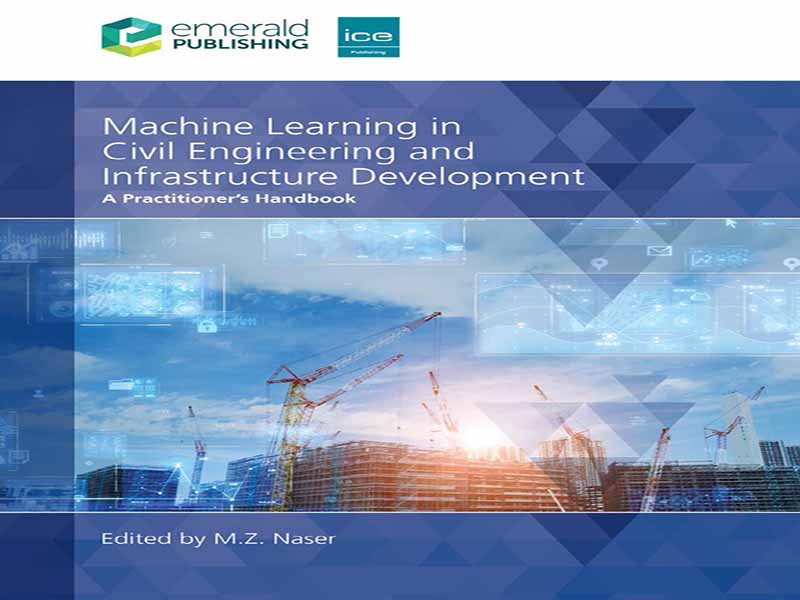
- عنوان کتاب: Machine Learning in Civil Engineering and Infrastructure Development
- نویسنده: M.Z. Naser
- حوزه: یادگیری ماشین
- سال انتشار: 2026
- تعداد صفحه: 477
- زبان اصلی: انگلیسی
- نوع فایل: pdf
- حجم فایل: 17.6 مگابایت
یادگیری ماشین (ML) دیگر در حاشیهی فعالیتهای مهندسی عمران قرار ندارد. با این حال، برای بسیاری از مهندسان شاغل، یادگیری ماشین هنوز چیزی متعلق به علوم کامپیوتر یا علوم داده است – مجموعهای قدرتمند اما دور از دسترس از روشها، نه امتداد طبیعی مدلسازی و تفکر تجربی که آنها هر روز از آن استفاده میکنند و در واقع در کدهای مختلف ساختمانی تعبیه شدهاند. کتاب «یادگیری ماشین در مهندسی عمران و توسعه زیرساختها: کتابچه راهنمای یک متخصص» برای کاهش این شکاف طراحی شده است. این کتاب نه یک کتاب نظری در مورد الگوریتمها است و نه مجموعهای از قطعات کد مبهم. این کتابچه راهنما، کتابی با محوریت متخصصان است که از طریق مثالهای متنوع نشان میدهد که چگونه مهندسان عمران میتوانند یادگیری ماشین را در پروژههای واقعی بگنجانند و در عین حال بر قضاوت مهندسی، درک فیزیکی و مسئولیت حرفهای خود استوار بمانند. این کتاب بر سه فرضیهی ساده استوار است. اول، مهندسی عمران به طور برگشتناپذیری غنی از داده میشود، زیرا ما همچنان به جمعآوری اندازهگیریها از حسگرها، تصاویر از پهپادها و تلفنها، دادههای سری زمانی از مانیتورهای محیطی و بایگانیهای بزرگ نتایج آزمایش و سوابق پروژه ادامه میدهیم. دوم، یادگیری ماشینی یک جعبه ابزار انعطافپذیر برای استخراج الگوها و پیشبینی از این دادهها فراهم میکند – بهویژه زمانی که به نقش فیزیک، عدم قطعیت و تخصص در حوزه مربوطه احترام میگذاریم. سوم، مهندسان همچنان در مرکز توجه هستند، جایی که یادگیری ماشینی باید توانایی متخصصان را در استدلال، نقد نتایج و تصمیمگیریهایی که بر امنیت عمومی و رفاه اجتماعی تأثیر میگذارند، تقویت کند، نه جایگزین آنها شود. برای همسویی با این پیشفرضها، فصلهای این کتاب در سه بخش سازماندهی شدهاند که از مبانی و فلسفه مدلسازی، از طریق رفتار سازهای و مصالح، به کاربردهای سطح سیستم و سؤالات مربوط به عمل، اخلاق و آموزش میپردازند. این پیشرفت عمدی است: خوانندگان ابتدا با مفاهیم و طرز فکرهای کلی مواجه میشوند، سپس کاربرد آنها را در اجزا و مواد مشاهده میکنند و در نهایت نحوه پیادهسازی این ابزارها را در سیستمهای زیرساختی، مدیریت ریسک و نوسازی حرفه بررسی میکنند.
Machine learning (ML) no longer sits at the edges of civil engineering practice. Yet for many practising engineers, ML still feels like something that belongs to computer science or data science – a powerful but distant set of methods, rather than a natural extension of the modelling and empirical thinking they already use every day which are, in fact, embedded in various building codes. Machine Learning in Civil Engineering and Infrastructure Development: A Practitioner’s Handbook was conceived to narrow that gap. This is not a theoretical volume on algorithms, nor a collection of opaque code snippets. This handbook is a practitioner oriented volume that shows, through diverse examples, how civil engineers can incorporate ML into real projects while remaining grounded in engineering judgement, physical understanding and professional responsibility. The book rests on three straightforward premises. First, civil engineering is becoming irreversibly data-rich, as we continue to collect measurements from sensors, images from drones and phones, time-series data from environmental monitors, and large archives of test results and project records. Second, ML provides a flexible toolkit for extracting patterns and making predictions from this data ‒ especially when we respect the role of physics, uncertainty and domain expertise. Third, engineers remain central, where ML should augment, not replace, the professional’s ability to reason, critique results and make decisions that affect public safety and societal wellbeing. To align with these premises, the chapters housed in this book are organised into three parts that move from foundations and modelling philosophy, through structural and material behaviour, to systemlevel applications and questions of practice, ethics and education. The progression is intentional: readers first encounter overarching concepts and mindsets, then see them applied to components and materials, and finally explore how these tools are implemented in infrastructure systems, risk management and the modernisation of the profession.
این کتاب را میتوانید از لینک زیر بصورت رایگان دانلود کنید:
Download: Machine Learning in Civil Engineering and Infrastructure Development
















نظرات کاربران