



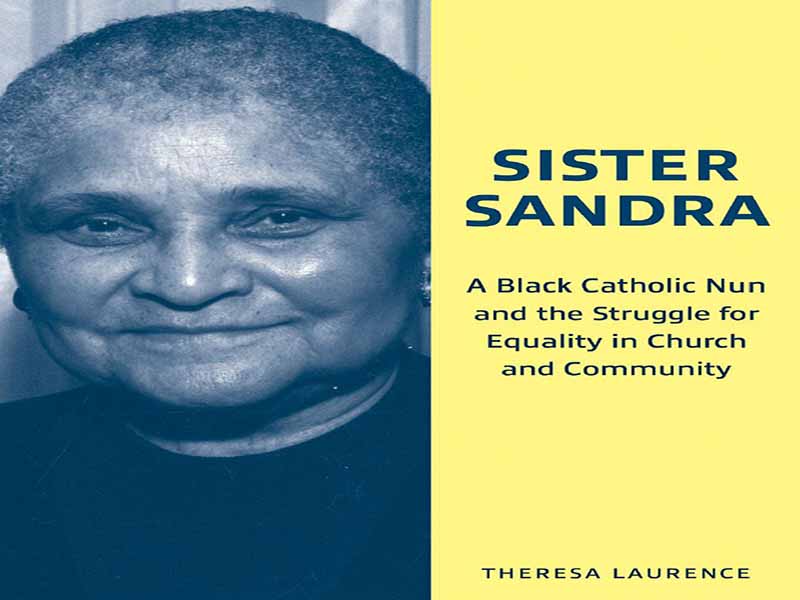
- عنوان کتاب: Sister Sandra -A Black Catholic Nun and the Struggle for Equality in Church and Community
- نویسنده: Theresa Laurence
- سال انتشار: 2026
- تعداد صفحه: 217
- زبان اصلی: انگلیسی
- نوع فایل: pdf
- حجم فایل: 16.9 مگابایت
فکر میکنم اولین باری که خواهر ساندرا اسمیتسون، عضو انجمن نجاتدهندگان مسیحی، را ملاقات کردم، در ساختمان مدرسه W.A. Bass در نسخهی پیش از نوسازی محلهی نیشنز در غرب نشویل بود. او پشت یک میز چوبی کوتاه و روی یک صندلی کتابخانهی پلاستیکی رنگارنگ و سایز کودکانه نشسته بود که برایش خیلی کوچک بود و احتمالاً در مورد حرکت بعدیاش برای پروژهی بازتاب، یکی از برنامههای سوادآموزی آن، یا یکی از تلاشهایش برای تأسیس اولین مدرسهی مستقل شهر – که همگی برای خدمت به کودکان مدارس دولتیِ در حال تقلا طراحی شده بودند – گیج شده بود. من برای مصاحبه با او برای روزنامهی تنسی رجیستر، روزنامهی اسقفنشین کاتولیک نشویل، مأمور شده بودم. من در این کار نسبتاً تازهکار بودم و اگرچه قبل از مصاحبه در مورد خواهر ساندرا تحقیقاتی انجام داده بودم، اما برای نیروی حیاتی که به زودی با آن مواجه میشدم، آماده نبودم. من با دانش کمی از داستانها و تاریخی که قرار بود در طول دو دههی آینده با او کاوش کنم، به آن جلسهی اول آمدم. من با فرقهی او، خواهران مدرسهی سنت فرانسیس، آشنا نبودم. من درباره سنت کاترین درکسل و فرقه او از خواهران مقدس شنیده بودم، اما فقط آشنایی سطحی با آنها داشتم. در دوران کودکیام در کلیسای کاتولیک سفیدپوستان نشویل و جنوب، هرگز یک راهبه کاتولیک سیاهپوست را نمیشناختم، داستان مبارزات طولانی و تأثیر عمیق آنها را نمیدانستم. من اطلاعات کمی از جامعه کاتولیک سیاهپوست متحد در نشویل داشتم. پس از آن اولین گفتگوی گسترده با خواهر ساندرا در آغاز هزاره جدید، میدانستم که میخواهم بیشتر بدانم. ممکن است به من مأموریت داده شده باشد که با او برای داستانی در مورد برنامه سوادآموزی بعد از مدرسهاش مصاحبه کنم، اما البته او هرگز کاملاً روی موضوع متمرکز نشد. در همان اولین جلسه فهمیدم که او در آمریکای مرکزی و میلواکی خدمت کرده است، اما اکنون با جامعه کوچکی از خواهران مدرسه در خانهای ساده در غرب نشویل زندگی میکند، جایی که آنها عمیقاً در حال تدوین طرحی برای راهاندازی آکادمی اسمیتسون کریگهد هستند. یک راهبه سیاهپوست که در یک محله معمولی زندگی میکند و به کودکان خارج از محدوده یک کلیسا یا مدرسه کاتولیک خدمت میکند؟ کسی که رک و راست درباره چالشهایی که از سوی نهادهای کاتولیک و سکولار با آن مواجه بود صحبت کرد؟ من بلافاصله مجذوب این دنیای جدیدی شدم که او برایم گشوده بود. من به سرعت «سبک خواهر ساندرا» را برای روزنامه تنسی رجیستر و همچنین تکالیف مربوط به کلیسای دوران کودکیاش در سنت وینسنت دو پال و جامعه کوچک اما قدرتمند کاتولیک سیاهپوست آن در نشویل درخواست کردم. همانطور که عمیقتر در داستانهای خواهر ساندرا و تاریخ تجربه کاتولیکهای سیاهپوست در اسقفنشین کاوش میکردم، احساس کردم که آنها باید برای مخاطبان گستردهتری بهتر شناخته شوند. در بسیاری از بخشهای کلیسا، میراث کاتولیکهای سیاهپوست – که قرنها بخشی از کلیسای آمریکا بودهاند – هنوز به خوبی شناخته نشده یا مورد تجلیل قرار نگرفته است. از آنجایی که تاریخ اسقفنشین نشویل و تاریخ کلیسای کاتولیک آمریکا به طور کلی، عمدتاً از دیدگاه یک مرد سفیدپوست نوشته شده بود، هنوز چیزهای زیادی برای یادگیری وجود داشت. به عنوان یک روزنامهنگار کاتولیک، احساس کردم که باید زمان و انرژی بیشتری را برای روایت این داستانها از گوشهای از جهان که در آن زندگی میکنم اختصاص دهم تا به حفظ این داستانهایی که منشأ و شکلدهنده زادگاه محبوبم نشویل بودند، کمک کنم. وقتی در سال ۲۰۱۱ برای اولین بار به خواهر ساندرا پیشنهاد نوشتن داستان زندگیاش را دادم، او تا حدودی بیاعتنا، فروتن و خودپسند بود و سعی میکرد مرا متقاعد کند که «هیچکس نمیخواهد آن را بخواند» و من نباید وقتم را صرف چنین پروژهای کنم، در حالی که دو فرزند خردسال در خانه دارم (و البته یک شغل تماموقت). پس از کمی رفت و آمد، او با لطف پذیرفت که برای یک سری مصاحبه، برخی در خانهاش، برخی در مدرسه دولتی تازه تأسیس اسمیتسون کریگهد آکادمی، با من بنشیند. حدود یک سال بعد، پس از تعدادی جلسه و مصاحبه، او حدود دویست صفحه خاطرات دقیق و دستنویس را تحویل داد. از آن زمان، این خاطرات را بارها خوانده و بازخوانی کردهام، زیرا آنها منبع ضروری برای من در هنگام تدوین این کتاب بودند. خاطرات او شامل رؤیاهای شگفتانگیز و تا حدودی جادویی از دوران کودکی شاد در نشویل، با والدین دوستداشتنی و نه خواهر و برادرش، خاطراتی از زندگی اولیه در صومعه و خدمات مذهبی در میلواکی و شیکاگو، و همچنین روایتهای بسیار مفصلی از کارش در کاستاریکا و هندوراس است. از آنجایی که خواهر ساندرا فردی عمیقاً معنوی بود و نه چندان دور از قلمرو روح و خدای خود زندگی میکرد، در این نوشتهها نیز اندیشههای الهیاتی پیچیده و پر پیچ و خمی را گنجانده بود. بررسی دقیق کلمات او و تطبیق آنها با قالبی کلی و خوانندهپسند چالش برانگیز بود، پروژهای که اکنون بیش از دوازده سال است که روی آن کار میکنم، یعنی زمانی که شما یک مادر تمام وقت هستید که شغل تمام وقت دارید و یک بیماری همهگیر جهانی نیز در میان است، چقدر طول میکشد تا این کار را انجام دهید. بین تولد فرزند سومم و بیماری همهگیر، من و خواهر ساندرا فقط برای چند سال ارتباط پراکندهای داشتیم، اما وقتی اوضاع به “وضعیت عادی جدید” رسید، دوباره برای احیای آن تلاش کردم.
I believe the first time I met Sister Sandra Smithson, SSSF, was at the W.A. Bass school building in a pre-gentrified version of the Nations neighborhood in west Nashville. She was sitting at a low wooden table in a colorful, child-sized plastic library chair that was much too small for her, most likely puzzling over her next move for Project Reflect, one of its literacy programs, or one of her efforts to establish the city’s first charter school—all designed to serve struggling public school children. I was assigned to interview her for the Tennessee Register, the newspaper of the Catholic Diocese of Nashville. I was fairly new to the job, and, while I had done some research on Sister Sandra ahead of the interview, I was unprepared for the life force I would soon encounter. I came to that first meeting with little knowledge of the stories and the history I would begin to explore with her over the next two decades. I was unfamiliar with her order, the School Sisters of St. Francis. I had heard of St. Katharine Drexel and her order of the Sisters of the Blessed Sacrament, but only had a surface familiarity with them. In my upbringing in the White Catholic church of Nashville and the South, I never knew a Black Catholic nun, did not know the stories of their long struggles and deep impact. I had little knowledge of the tight-knit Black Catholic community in Nashville. After that wide-ranging first conversation with Sister Sandra back at the start of the new millennium, I knew that I wanted to know more. I may have been assigned to interview her for a story on her after-school literacy program, but of course she never quite stayed on topic. In that first meeting I learned that she had served in Central America and Milwaukee but now lived with a small community of School Sisters in an unassuming house in west Nashville, where they were deep in formulating a plan to launch Smithson Craighead Academy. A Black nun living in an ordinary neighborhood ministering to children outside the confines of a Catholic church or school? One who spoke frankly about the challenges she faced from both Catholic and secular institutions? I was immediately fascinated by this new world she had cracked open for me. I quickly claimed the “Sister Sandra beat” for the Tennessee Register, as well as assignments related to her childhood parish of St. Vincent de Paul and its small but mighty Black Catholic community in Nashville. As I delved deeper into Sister Sandra’s stories and the history of the Black Catholic experience in the diocese, I felt that they should be better known to a wider audience. In many parts of the church, the legacy of Black Catholics—who have been part of the American Church for centuries—is still not well known or celebrated. Since the history of the Diocese of Nashville, and the history of the American Catholic church as a whole, had mostly been written from a White man’s perspective, there was still much I had to learn. As a Catholic journalist, I felt something of a calling to devote more time and energy to telling these stories from my corner of the world, to help preserve these stories that originated and shaped my beloved hometown of Nashville. When I initially approached Sister Sandra about writing the story of her life in 2011, she was somewhat dismissive, ever humble and selfdeprecating, attempting to convince me that “nobody would want to read that thing,” and I should not put my time into a project like this when I had two young children at home (not to mention a full-time job). After some back and forth, she graciously agreed to sit with me for a series of interviews, some in her home, some in the newly opened Smithson Craighead Academy public charter school. About a year later, after a number of meetings and interview sessions, she handed over about two hundred pages of detailed, handwritten memoirs. I have since read and reread these memories many times as they were an essential resource for me while compiling this book. Her memories include wonderful and somewhat magical-thinking visions of a happy childhood in Nashville, with her loving parents and nine siblings, memories of early convent life and ministries in Milwaukee and Chicago, as well as richly detailed accounts of her work in Costa Rica and Honduras. As she was a deeply spiritual person, living not far from the realm of the Spirit and her God, Sister Sandra also included dense and meandering theological musings in these writings. Poring over her words and adapting them into a general, reader-friendly format was challenging, a project that I have now been working on for over a dozen years, which is how long it takes when you’re a full-time mother working a full-time job with a global pandemic thrown in the mix. Between the birth of my third child and the pandemic, Sister Sandra and I had only sporadic contact for a few years, but once things settled into the “new normal,” I reached out again to revive the project. While she never fully admitted that writing her life story was a worthy endeavor, she did start calling me more often in the final years of her life, sometimes noting that “I’m not dead yet,” and reminding me that she was in her mid-nineties, hinting that I might not finish the book before her death. Unfortunately, she was correct with that prediction. In my mind, I would have loved to be able to hand her a copy of the finished product, to bring her to a book signing and see her finally embrace the worthiness of this endeavor. Ultimately, I hope I have done Sister Sandra’s story justice, painting an intimate portrait of a person who deserves to be known and remembered, who lived her extraordinary life on the forefront of change, revolutions even, in her country and her church. I have added some historical context and additional voices to the story, but this book is very much told through the lens of Sister Sandra’s personal experiences as she remembered them, close to the bone, without much distance. Much of the dialogue from her early life is transcribed here as she wrote it. I have tried to corroborate her memoirs where it was possible to do so, but some names, specific timelines and conversations have no historical record or could not be verified. Everything contained here is true to the best of my knowledge. This book also includes the memories of Sister Sandra’s family members, former students and Project Reflect colleagues. I’ve also incorporated stories from St. Vincent parishioners and pioneers of Catholic school integration from personal interviews and Diocese of Nashville archives, which offer a fuller picture of the struggles Black Catholics faced when challenging their church and community to embrace racial justice as a moral issue. This book does not comprehensively delve into all the multitudes of lives Sister Sandra led during her ninety-six years on Earth. But I hope it does preserve the story of her life and legacy well and pays forward some of the inspiration she provided during her long life. I hope it cracks open the door to learn more about the history of Black Catholics in Nashville and beyond, and the stories of women of faith doing the work (so often without recognition), and making the difference. The stories are theirs, but I am honored to be able to share them.
این کتاب را میتوانید از لینک زیر بصورت رایگان دانلود کنید:
Download: Sister Sandra















نظرات کاربران