












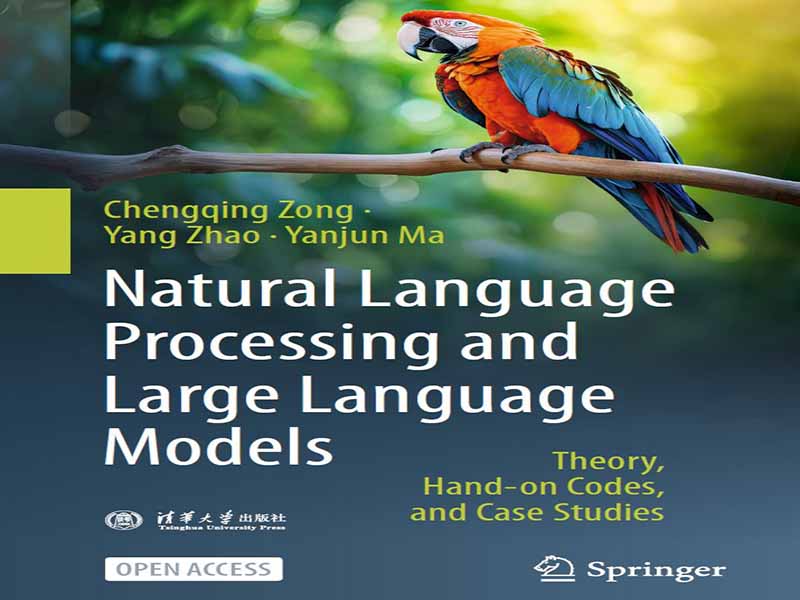
- عنوان کتاب: Natural Language Processing and Large Language Models – Theory, Hand-on Codes, and Case Studies
- نویسنده: Chengqing Zong, Yang Zhao, Yanjun Ma
- حوزه: پردازش زبان طبیعی
- سال انتشار: 2026
- تعداد صفحه: 400
- زبان اصلی: انگلیسی
- نوع فایل: pdf
- حجم فایل: 9.94 مگابایت
در سالهای اخیر، پردازش زبان طبیعی (NLP) توجه زیادی را به خود جلب کرده است. از یک سو، NLP پیشرفت زیادی داشته است. اکنون میتواند بسیاری از مشکلات دنیای واقعی را با عملکرد خوب حل کند، مانند ترجمه ماشینی، سیستمهای گفتگو، پاسخ به سوال، خلاصهسازی خودکار متن و نوشتن مقاله. از سوی دیگر، نیازها و انتظارات مردم از NLP بیشتر شده است. این امر به ویژه از سال 2022، زمانی که مدلهای زبان بزرگ (LLM) به وجود آمدند، صادق است. این پیشرفت مهم نه تنها دیدگاههای سنتی مردم در مورد NLP را تغییر داد، بلکه مردم را امیدوار کرد که LLMها میتوانند به آنها در انجام وظایف پیچیده مختلف کمک کنند. صادقانه بگویم، NLP در گذشته فقط یک زمینه تحقیقاتی معمولی بود. اما اکنون، به سرعت به یک رشته محبوب تبدیل شده است. حتی به یک دوره اصلی مورد نیاز در برنامهها و بخشهای هوش مصنوعی در اکثر دانشگاهها تبدیل شده است. بدیهی است که NLP وارد بهترین دوره توسعه خود شده است. توسعه پایدار NLP بدون تعداد زیادی از مبتدیان که خود را وقف این زمینه میکنند، قابل دستیابی نیست. با این حال، وضعیت فعلی NLP تأثیرات مثبت و منفی بر مبتدیان دارد. از جنبه مثبت، مرزهای بین روشهای مختلف داده به طور فزایندهای مبهم شدهاند و تکنیکهای مورد استفاده در برنامههای مختلف NLP بیشتر شبیه به هم شدهاند. این همگرایی فرآیند یادگیری را برای مبتدیان آسانتر کرده است. علاوه بر این، متنباز به یک روند کلیدی در جامعه NLP تبدیل شده است. این جامعه اکنون منابع باز زیادی از جمله مجموعه دادهها، الگوریتمها، ابزارها و مدلهای از پیش آموزشدیده را ارائه میدهد که برای کسانی که تازه وارد این حوزه شدهاند بسیار مفید است. از جنبه منفی، تعداد زیاد الگوریتمها و مدلها چالشهای منحصر به فردی را برای مبتدیان به ارمغان میآورد. آنها باید هم بر روشهای سنتی NLP و هم بر نظریههای اساسی LLMها تسلط داشته باشند. علاوه بر این، NLP و LLMها زمینههای بسیار کاربردی هستند. مبتدیان باید مهارتهای عملی ضروری مانند پردازش دادهها، استقرار مدل، پیکربندی و بهینهسازی پارامتر و نحوه استفاده از پلتفرمهای مرتبط را بیاموزند. دقیقاً همین چالشها بود که ما را به نوشتن کتابی برای رفع این نیازهای خاص ترغیب کرد. خوشبختانه، وقتی تیم Baidu PaddlePaddle با من در مورد همکاری در نوشتن کتابی در مورد NLP و LLMها که تئوری را با عمل ادغام میکند، تماس گرفت، من فوراً موافقت کردم. ما ابتدا نسخه چینی کتاب را تکمیل کردیم. کمی پس از اتمام آن، ویراستاران اشپرینگر با ما تماس گرفتند تا در مورد ترجمه کتاب به انگلیسی با هدف در دسترس قرار دادن محتوای آن برای خوانندگان در سراسر جهان صحبت کنیم. ما بلافاصله ترجمه و بازنویسی را آغاز کردیم و برخی از فصلها را گسترش دادیم. این کتاب با این فرض نوشته شده است که خوانندگان از قبل دانش اولیهای در مورد نظریهها و روشهای NLP دارند. بنابراین، محتوای نظری فقط به طور خلاصه معرفی شده است و تمرکز اصلی ما بر فرآیندهای پیادهسازی عملی گام به گام، مانند پردازش دادهها، ساخت ساختار و بهینهسازی مدل است. از نظر ساختار، با معرفی نظریهها و روشهای اساسی NLP آغاز میشود. در مرحله بعد، رویکردهای پیادهسازی عملی برای کاربردهای مختلف NLP را بررسی میکند. در نهایت، بر سیستمهای تولید مبتنی بر LLM تمرکز دارد. هر قطعه کد ارائه شده در کتاب، تحت آزمایشهای دقیق قرار گرفته و در انجمن استودیوی هوش مصنوعی بایدو به عنوان Jupyter Notebooks میزبانی میشود. با پیروی از دستورالعملهای موجود در کتاب، خوانندگان میتوانند مستقیماً به منابع محاسباتی رایگان GPU ارائه شده توسط انجمن استودیوی هوش مصنوعی Xinghe برای کامپایل و اجرای کد به صورت آنلاین دسترسی پیدا کنند – این امر روند تمرین و یادگیری را بسیار ساده میکند. این کتاب به طور مشترک توسط دکتر ژائو یانگ و تیم PaddlePaddle نوشته شده است که تخصص و حمایت آنها در تکمیل آن نقش مهمی داشته است. پروژه کتاب همچنین از مرکز انتشارات دانشگاه آکادمی علوم چین بودجه دریافت کرده است. مایلیم از خانم تیان چنچن، پروفسور شیائو جون و خانم چو شیائوچون از دانشگاه آکادمی علوم چین برای کمکهای ارزشمندشان؛ از پروفسور ژائو تیجون، پروفسور وانگ هوفنگ، پروفسور وانگ شیائوجی، پروفسور هوانگ مینلی و پروفسور ژانگ جیاجون برای پیشنهادات سازندهشان در مورد محتوای کتاب؛ از دکتر شیانگ لو از موسسه اتوماسیون، آکادمی علوم چین برای پیشنهادات ارزشمندشان؛ و از ویراستار چانگ لانلان از انتشارات اشپرینگر برای حمایت مداومش در طول فرآیند انتشار، قدردانی کنیم.
In recent years, Natural Language Processing (NLP) has attracted significant attention. On one hand, NLP has made great progress. It can now solve many real-world problems with good performance, such as machine translation, dialogue systems, question answering, automatic text summarization, and article writing. On the other hand, people’s requirements and expectations for NLP have become higher. This is especially true since 2022, when Large Language Models (LLMs) came into being. This important breakthrough not only changed people’s traditional views on NLP but also made people hope that LLMs can help them complete various complex tasks. To be honest, NLP was just an ordinary research field in the past. But now, it has quickly developed into a popular discipline. It has even become a required core course in AI programs and departments at most universities. Obviously, NLP has entered its best development period. The sustainable development of NLP cannot be achieved without a large number of beginners devoting themselves to this field. However, the current state of NLP has both positive and negative impacts on beginners. On the positive side, the boundaries between different data modalities have become increasingly blurred, and the techniques used across various NLP applications have grown more similar. This convergence has made the learning process easier for beginners. Besides, open source has become a key trend in the NLP community. The community now provides a wealth of open resources, including datasets, algorithms, tools, and pre-trained models, which greatly benefits those who are new to the field. On the negative side, the large number of algorithms and models brings unique challenges to beginners. They have to master both traditional NLP methods and the basic theories of LLMs. What’s more, NLP and LLMs are highly practical fields; beginners need to learn essential hands-on skills, such as data processing, model deployment, parameter configuration and optimization, and how to use related platforms. It was exactly these challenges that inspired us to write a book to meet these specific needs. Fortunately, when the Baidu PaddlePaddle team contacted me about co-writing a book on NLP and LLMs that integrates theory with practice, I agreed right away. We first completed a Chinese version of the book. Shortly after finishing it, editors from Springer reached out to us to discuss translating the book into English, with the goal of making its content available to readers around the world. We started the translation and rewriting immediately and expanded some chapters. This book is written under the assumption that readers already have basic knowledge of NLP theories and methods. Therefore, theoretical content is just briefly introduced, and our main focus is on step-by-step practical implementation processes, such as data processing, structure construction, and model optimization. In terms of structure, it begins by introducing fundamental NLP theories and methods. Next, it explores prac-tical implementation approaches for different NLP applications. Finally, it focuses on LLM-based generation systems. Every piece of code provided in the book has undergone strict testing and is hosted on the Baidu AI Studio Community as Jupyter Notebooks. By following the instructions in the book, readers can directly access the free GPU computing resources provided by the AI Studio Xinghe Community to compile and run the code online—this greatly simplifies the process of practicing and learning. This book was co-authored by Dr. Zhao Yang and the PaddlePaddle team, whose expertise and support were instrumental in its completion. The book project also received funding from the Publishing Center of the University of Chinese Academy of Sciences. We would like to express our gratitude to Ms. Tian Chenchen, Prof. Xiao Jun, and Ms. Qu Xiaochun from the University of Chinese Academy of Sciences for their invaluable assistance; to Prof. Zhao Tiejun, Prof. Wang Houfeng, Prof. Wang Xiaojie, Prof. Huang Minlie, and Prof. Zhang Jiajun for their constructive suggestions on the book’s contents; to Dr. Xiang Lu from the Institute of Automation, Chinese Academy of Sciences for invaluable suggestions; and to Editor Chang Lanlan from Springer for her consistent support throughout the publishing process.
این کتاب را میتوانید از لینک زیر بصورت رایگان دانلود کنید:
Download: Natural Language Processing and Large Language Models























نظرات کاربران