



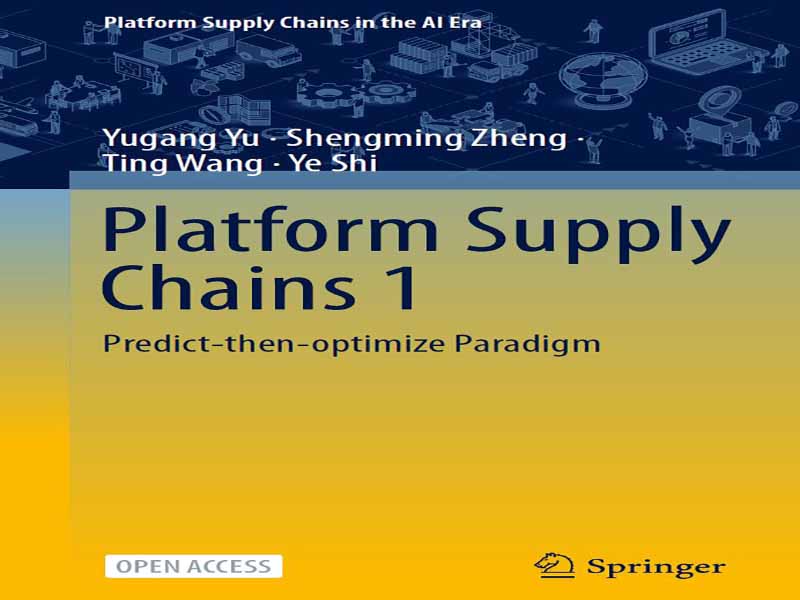
- عنوان کتاب: Platform Supply Chains 1 -Predict-then-optimize Paradigm
- نویسنده: Yugang Yu, Shengming Zheng, Ting Wang
- حوزه: زنجیره تامین
- سال انتشار: 2026
- تعداد صفحه: 153
- زبان اصلی: انگلیسی
- نوع فایل: pdf
- حجم فایل: 4.90 مگابایت
ما در نقطه عطفی در تاریخ تجارت و عملیات ایستادهایم. پلتفرم دیجیتال – آن مفهوم معماری به ظاهر ساده اتصال گروههای مختلف از طریق فناوری – به اصل سازماندهی غالب عصر اقتصادی ما تبدیل شده است. از نحوه درخواست تاکسی و رزرو محل اقامت گرفته تا نحوه خرید کالا، دسترسی به خدمات و مصرف محتوا، پلتفرمها نه تنها صنایع فردی، بلکه ساختار اساسی خودِ تعامل بازار را نیز تغییر شکل دادهاند. این دگرگونی سریع، عمیق و اغلب گیجکننده بوده است. مدیران سنتی زنجیره تأمین، که در هنر بهینهسازی خطوط لوله خطی آموزش دیدهاند، خود را در مواجهه با یک واقعیت جدید میبینند: اکنون باید اکوسیستمهایی را که متعلق به آنها نیستند، هماهنگ کنند، عواملی را که استخدام نمیکنند، هماهنگ کنند و تعاملاتی را که مستقیماً کنترل نمیکنند، مدیریت کنند. در همین حال، معماران پلتفرم و دانشمندان داده، استادان اثرات شبکه و یادگیری ماشین، کشف میکنند که طرحهای دیجیتالی زیبای آنها در نهایت باید با واقعیتهای فیزیکی و آشفته جابجایی کالاها در فضا و زمان، ارائه خدمات در زمینههای دنیای واقعی و مدیریت پویایی انسانی اعتماد، کیفیت و انصاف مقابله کنند. این کتاب از همگرایی این دو جهان پدیدار میشود. این کتاب از این شناخت ناشی میشود که انقلاب پلتفرمها چیزی کمتر از بازآفرینی مدیریت زنجیره تأمین را نمیطلبد – و این بازآفرینی نیازمند یک الگوی روششناختی جدید است. چارچوب پیشبینی-سپس-بهینهسازی (PTO) دقیقاً همین را نشان میدهد: یک تغییر اساسی در نحوه تفکر ما در مورد تصمیمگیری در محیطهای پیچیده، غنی از داده و نامشخص. این صرفاً ابزاری دیگر در جعبه ابزار تحقیق در عملیات نیست، بلکه راهی جدید برای ادغام آنچه میدانیم (از طریق پیشبینی) با آنچه باید انجام دهیم (از طریق بهینهسازی) در جهانی است که دادهها فراوان هستند اما اطلاعات کامل غیرممکن است. این کتاب از سفر خودمان در چشمانداز در حال تحول عملیات پلتفرمها سرچشمه گرفته است. ما به عنوان محقق و مشاور، دهه گذشته را صرف مشاهده، مطالعه و گاهی مشارکت در تحول سریع زنجیرههای تأمین در بخشهای مختلف کردهایم. ما شاهد بودیم که پلتفرمهای تجارت الکترونیک اولیه با مشکل جایگذاری موجودی، شرکتهای تاکسی اینترنتی با مشوقهای رانندگان دست و پنجه نرم میکردند، پلتفرمهای بازار با تشخیص تقلب دست و پنجه نرم میکردند و پلتفرمهای خدماتی تلاش میکردند تا عرضه و تقاضا را در زمان واقعی متعادل کنند. چیزی که ما را تحت تأثیر قرار داد، یک الگوی تکرارشونده بود: روشهای بهینهسازی سنتی، که برای محیطهای پایدارتر و کنترلشدهتر طراحی شده بودند، به طور مداوم در درک پیچیدگی پویای اکوسیستمهای پلتفرم شکست میخوردند. در همین حال، مدلهای پیچیده یادگیری ماشین، پیشبینیهای دقیقتری تولید میکردند، اما این پیشبینیها اغلب از تصمیمات واقعی که قرار بود به آنها اطلاع دهند، جدا بودند. رویکرد «پیشبینی-سپس-بهینهسازی» – که در آن پیشبینی و بهینهسازی به عنوان مراحل جداگانه و متوالی در نظر گرفته میشدند – نتایج غیربهینه تولید میکرد و ارزش قابل توجهی را به جا میگذاشت. انگیزه ما از نوشتن این کتاب سه چیز است: – ارائه یک چارچوب نظری یکپارچه که جهانهای اغلب جدا از هم یادگیری ماشین، تحقیق در عملیات و اقتصاد پلتفرم را به هم پیوند دهد. ما معتقدیم که الگوی PTO دقیقاً این وحدت را ارائه میدهد. – ارائه راهنماییهای عملی برای اپراتورهای پلتفرم، دانشمندان داده و مدیران زنجیره تأمین که در حال ساخت و مدیریت این سیستمها در دنیای واقعی هستند. اغلب اوقات، تحقیقات دانشگاهی از اجرای عملی جدا میمانند؛ ما تلاش میکنیم تا این شکاف را پر کنیم. – ایجاد یک دستور کار تحقیقاتی برای نسل بعدی محققانی که آینده عملیات پلتفرم را شکل خواهند داد. سوالات مطرح شده توسط زنجیرههای تأمین پلتفرم، هم از نظر بنیادی مهم و هم از نظر فکری غنی هستند و علوم کامپیوتر، اقتصاد، عملیات و اخلاق را در بر میگیرند. این کتاب برای خدمت به مخاطبان متعدد طراحی شده است: – محققان دانشگاهی و دانشجویان تحصیلات تکمیلی در مدیریت عملیات، علوم کامپیوتر، مهندسی صنایع و تجزیه و تحلیل کسب و کار، یک بررسی جامع از الگوی PTO و کاربردهای آن، همراه با مدلهای رسمی، رویکردهای روششناختی و ارجاعات به ادبیات رو به رشد، خواهند یافت. – متخصصان و رهبران پلتفرم – از جمله مدیران ارشد فناوری، روسای زنجیره تأمین، رهبران علوم داده و مدیران محصول – بینشهای عملی، نمونههای دنیای واقعی و چارچوبهای استراتژیک برای اجرای PTO در سازمانهای خود را خواهند یافت. – کارآفرینان و نوآورانی که کسبوکارهای پلتفرمی جدید ایجاد میکنند، درک عمیقتری از چالشهای عملیاتی که با آن مواجه خواهند شد و ابزارهای روششناختی موجود برای پرداختن به آنها به دست خواهند آورد. – سیاستگذاران و تنظیمکنندگانی که به دنبال درک سازوکار درونی اقتصادهای پلتفرمی هستند، بینشهای ارزشمندی در مورد چگونگی شکلگیری نتایج بازار، رقابت و رفاه اجتماعی توسط تصمیمگیری الگوریتمی پیدا خواهند کرد. ما این کتاب را طوری ساختاربندی کردهایم که برای خوانندگان با پیشینههای متنوع قابل دسترسی باشد. در حالی که برخی از بخشها به صورتگراییهای ریاضی میپردازند، ما همیشه اطلاعات مفید ارائه میدهیم.
We stand at an inflection point in the history of commerce and operations. The digital platform—that seemingly simple architectural concept of connecting disparate groups through technology—has become the dominant organizing principle of our economic age. From the way we hail rides and book accommodations to how we purchase goods, access services, and consume content, platforms have reshaped not just individual industries but the fundamental structure of market interaction itself. This transformation has been swift, profound, and often disorienting. Traditional supply chain managers, trained in the art of optimizing linear pipelines, find them-selves confronting a new reality: they must now orchestrate ecosystems they do not own, coordinate agents they do not employ, and govern interactions they do not directly control. Meanwhile, platform architects and data scientists, masters of network effects and machine learning, discover that their elegant digital designs must ultimately contend with the messy, physical realities of moving goods through space and time, of delivering services in real-world contexts, and of managing the human dynamics of trust, quality, and fairness. This book emerges from the convergence of these two worlds. It is born from the recognition that the platform revolution demands nothing less than a reinvention of supply chain management—and that this reinvention requires a new method-ological paradigm. The Predict-then-Optimize (PTO) framework represents exactly that: a fundamental shift in how we think about decision-making in complex, data-rich, uncertain environments. It is not merely another tool in the operations research toolkit, but a new way of integrating what we know (through prediction) with what we should do (through optimization) in a world where data is abundant but perfect information is impossible. This book grew from our own journey through the evolving landscape of platform operations. As researchers and consultants, we have spent the past decade observing, studying, and sometimes participating in the rapid transformation of supply chains across sectors. We witnessed early e-commerce platforms struggling with inven-tory placement, ride-hailing companies grappling with driver incentives, marketplace platforms wrestling with fraud detection, and service platforms attempting to balance supply and demand in real time. What struck us was a recurring pattern: traditional optimization methods, designed for more stable, controlled environments, were consistently failing to capture the dynamic complexity of platform ecosystems. Meanwhile, sophisticated machine learning models were producing ever-more-accurate predictions, but these predic-tions were often disconnected from the actual decisions they were meant to inform. The “predict-then-optimize” approach—where prediction and optimization were treated as separate, sequential steps—was producing suboptimal outcomes and leaving significant value on the table. Our motivation in writing this book is threefold: – To provide a unified theoretical framework that bridges the often-separate worlds of machine learning, operations research, and platform economics. We believe the PTO paradigm offers exactly this unification. – To offer practical guidance for platform operators, data scientists, and supply chain managers who are building and managing these systems in the real world. Too often, academic research remains siloed from practical implementation; we strive to bridge this gap. – To establish a research agenda for the next generation of scholars who will shape the future of platform operations. The questions raised by platform supply chains are both fundamentally important and intellectually rich, spanning computer science, economics, operations, and ethics. This book is designed to serve multiple audiences: – Academic researchers and graduate students in operations management, computer science, industrial engineering, and business analytics will find a comprehensive treatment of the PTO paradigm and its applications, complete with formal models, methodological approaches, and references to the growing literature. – Practitioners and platform leaders—including chief technology officers, heads of supply chain, data science leads, and product managers—will find actionable insights, real-world examples, and strategic frameworks for implementing PTO in their organizations. – Entrepreneurs and innovators building new platform businesses will gain a deeper understanding of the operational challenges they will face and the methodological tools available to address them. – Policymakers and regulators seeking to understand the inner workings of plat-form economies will find valuable insights into how algorithmic decision-making shapes market outcomes, competition, and social welfare. We have structured the book to be accessible to readers with diverse backgrounds. While some sections delve into mathematical formalisms, we always provide intuitive explanations and real-world context. Key concepts are introduced gradually, with each chapter building upon the foundations laid in previous ones. The platform economy is still young. The PTO paradigm is still emerging. What we present in this book is not the final word, but rather a snapshot of a rapidly evolving field at a particularly exciting moment of convergence. We have tried to capture both the established foundations and the cutting-edge innovations that are shaping the future.
این کتاب را میتوانید از لینک زیر بصورت رایگان دانلود کنید:
Download: Platform Supply Chains 1















نظرات کاربران