



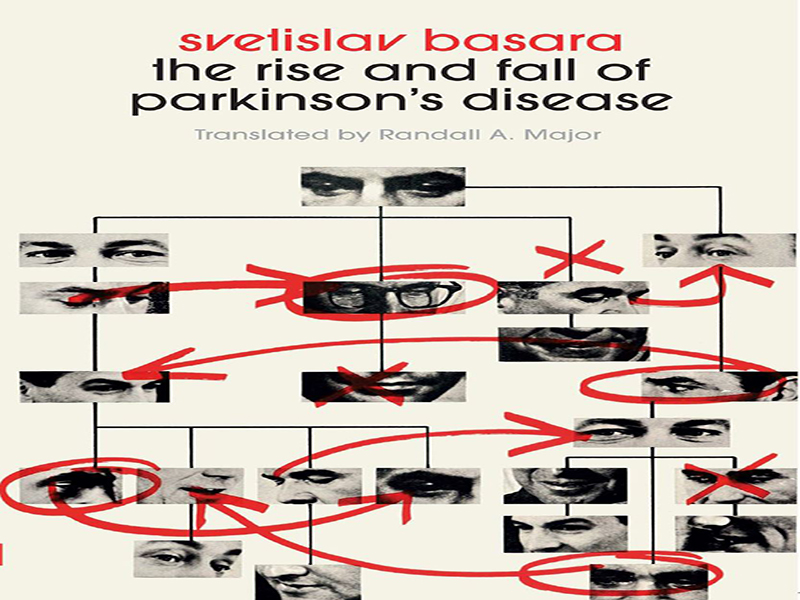
- عنوان کتاب: The Rise and Fall of Parkinsons Disease
- نویسنده: Svetislav Basara
- حوزه: بیماری پارکینسون
- سال انتشار: 2026
- تعداد صفحه: 183
- زبان اصلی: انگلیسی
- نوع فایل: pdf
- حجم فایل: 2.27 مگابایت
دمیان لاورنتیویچ پارکینسون، مخترع این بیماری وحشتناک، در سال 1947 با نام مستعار نیکولای نیکولایویچ کوزنتسوف، در گولاگ روی رودخانه کولیما، بر اثر خستگی درگذشت. تحت نام هک شده پارکینسون، او باید چهل و سه سال پرتلاطم جسد را سپری کند، تا پرسترویکا و گلاسنوست و فروپاشی اتحاد جماهیر شوروی. اگر حقایق مربوط به گاهشماری و بیوگرافی موجود را باور کنیم، دمیان لاورنتیویچ (که اکنون احیا شده است) به شدت در این مرگ نقش داشته است. D. L. Parkinson در واقع همراه با صدها هزار زندانی واقعی و ساختگی بازپروری شد و نام او – خانه ی موجود عصایی اش – بازسازی شد. با این حال، بیماری او به فراموشی سپرده شد و به سختی با وضعیتی تحقیرآمیز کنار رفت. این بیماری هنوز هم بیماری پارکینسونی است، که بیشتر به پارکینسونیسم معروف است، اما بازماندگان معاصر آن همگی موافق هستند – علائم و تصویر بالینی هیچ ارتباطی با بیماری پارکینسون اولیه ندارد. این فقط یک جهش در خود بیماری نیست، مانند سل، که دائماً استراتژی های بیوشیمیایی برای سازگاری با آنتی بیوتیک ها پیدا می کند. نه، پارکینسونیسم، که به هر حال غیرقابل درمان است، اکنون مجموعهای از سندرومهای بیاهمیت است که از چندین بیماری بیاهمیت به عاریت گرفته شده است که در مجموع، بیشتر شبیه آلزایمر هستند. پارکینسونیسم مدرن آشکارا جعلی است. با این حال، چرا باید یک بیماری جعل کرد؟ همین سوال F. R. Voznesensky، مورخ با دسترسی به آرشیو امپراتوری Okhrana، NKVD، KGB و Lubyanka را آزار میدهد. تنها سوال این است: از کجا شروع می شود؟ ناآگاهان – اگرچه همه در مورد این موضوع بی اطلاع هستند – حتی به تصور عظمت آن آرشیوها هم نمی رسند، چه رسد به تعداد بی شمار اسناد ذخیره شده در آنها. (طبق برخی گزارشها، 1 آن آرشیو شامل پروندهای از همه جادهها، شهرها، روستاها، خیابانها، خانهها و مردم و تمام نوشتهها و مکالمات آنها در سه قرن گذشته است.) در آرشیو، فقط خود دپارتمان میتروفانوفسک (که همان شهر کوچکی است که پارکینسون در آن متولد شده است) با بیش از 64917 فوت مربع مساحت دارد. 459,789,490,567 سند. همه چیز آنجاست، هیچ چیز پنهان نیست، اما برای کنار هم قرار دادن تصویری از یک رویداد، یا بازسازی زندگی نامه یک فرد خاص، ده ها سال کار اختصاصی لازم است. ووزنسنسکی چاره ای نداشت. او روش خواندن اسناد تصادفی را انتخاب کرد.
Demyan Lavrentyevich Parkinson, the inventor of the horrible disease, died of exhaustion in 1947 under the alias of Nikolai Nikolayevich Kuznetsov, in a gulag on the River Kolyma. Under the hackneyed name Parkinson, he was to spend an entire forty-three turbulent cadaverous years, until perestroika and glasnost and the demise of the USSR; if the facts from the existing chronology and biography are to be believed, Demyan Lavrentyevich (now already rehabilitated) contributed profoundly to that demise. D. L. Parkinson was, indeed, rehabilitated along with hundreds of thousands of both real and fictitious internees, and his name—the home of his pustular being—was restored. His illness, however, fell into oblivion, barely scraping by in a humiliating status. It is still morbus Parkinsoni, more popularly known as parkinsonism, but its surviving contemporaries all agree—the symptoms and clinical picture have nothing to do with the original Parkinson’s disease. This is not just a mutation of the illness itself, like tuberculosis, which constantly finds biochemical strategies to adapt to antibiotics; no, parkinsonism, which is incurable anyway, is now a profane collection of syndromes borrowed from several insignificant diseases that, taken together, mostly look like Alzheimer’s. Modern parkinsonism is obviously a fake. However, why would one fake a disease? The same question bothered F. R. Voznesensky, a historian with access to the archives of the imperial Okhrana, the NKVD, the KGB, and Lubyanka. The only question is: where does one begin? The uninformed—though everyone is uninformed about this issue—are nowhere even close to imagining the enormity of those archives, not to mention the uncountable number of documents stored in them. (According to some accounts,1 those archives contain a record of all roads, towns, villages, streets, houses, and people, and all their writings and conversations encompassing the last three centuries.) In the archive, just the Mitrofanovsk Department itself (that is the small town where Parkinson was born) covers 617,849 square feet, with more than 459,789,490,567 documents. It’s all there, nothing is hidden, but to put together a picture of an event, or to reconstruct the biography of a certain person, it would take decades of dedicated work. Voznesensky had no choice. He opted for the method of reading random documents. He relied on intuition. He used his sixth sense. When talking about Parkinson, that’s the best way. For months, Voznesensky worked feverishly. And the first results appeared—a solidly documented biography of Parkinson to the age of ten. But there’s nothing in it. At least nothing interesting. That kind of stuff can be read in the syrupy stories of Russian realist authors. Those stories, those soap operas before the soap operas, were actually models for teaching and raising Russian boys in those days. Voznesensky, a fanatic (as only a Russian can be) devotee of literature, came to a disheartening discovery: realism in Russian literature dismantled Russian reality, it destroyed the simplicity of the Russian soul, it began circulating the absurd idea of social justice; ultimately, Demyan Lavrentyevich thought so, too, as he wrote in one place, “After Dostoyevsky, instead of the variety and colorfulness of the Russian soul, all that was left were five psychological types of Russians: Stavrogin, Raskolnikov, Marmeladov, Lebeziatnikov, and Svidrigailov.”
این کتاب را میتوانید از لینک زیر بصورت رایگان دانلود کنید:
Download: The Rise and Fall of Parkinsons Disease
















نظرات کاربران