



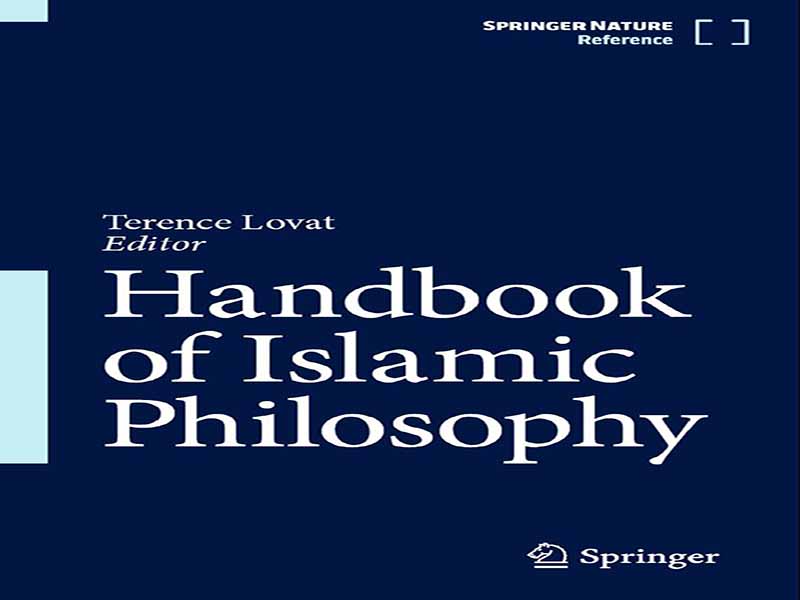
- عنوان کتاب: Handbook of Islamic Philosophy
- نویسنده: Terence Lovat
- حوزه: فلسفه اسلامی
- سال انتشار: 2026
- تعداد صفحه: 1605
- زبان اصلی: انگلیسی
- نوع فایل: pdf
- حجم فایل: 11.3 مگابایت
مانند هر مجموعه ایدهای، فلسفه اسلامی (به عربی: فَلسَفه)، به همراه فیلسوفان اولیهاش (فَلاسیفا)، تا حدی تحت تأثیر آنچه پیش از آن بوده و تا حدی تحت تأثیر چیزی جدید و متمایز بوده است. از نظر آنچه پیش از آن بوده، تأثیرات گسترده هستند و در زمانهای بیشماری گسترش یافتهاند، که مسلماً به ریشههای تفکر بشر مربوط میشوند. سه مورد از تأثیرات عمده و قابل اثبات، تأثیرات جهان بینالنهرین، تمدن هلنیستی (یا یونانی) و ادیان ابراهیمی هستند، سه تأثیری که خود کاملاً قابل تفکیک نیستند. از جهان بینالنهرین تأثیرات عربی، فارسی و بابلی بسیاری، از جمله افکار انقلابی در مورد ریاضیات، نجوم و معنویت، به وجود آمد. این تأثیری است که تا حدودی ویژگیهای قابل توجه فلسفی، علمی و آموزشی را که در عصر طلایی اسلام در قرون اولیه آن یافت میشود، توضیح میدهد. از یونانیان ایدههایی در مورد چگونگی ساخت تمدنهای پایدار و فلسفههای شخصی، اجتماعی و سیاسی مورد نیاز برای حفظ آنها به وجود آمد. این ایدهها همچنین در تمدنهای بسیار روشنفکری که اسلام را در طول «عصر تاریکی» قرون وسطی غرب مشخص میکردند، نقش داشتند. از ادیان ابراهیمی، حداقل تا حدی، الهیات متمایز خدای متعال که خلاق، قادر مطلق، الهام گرفته و در زندگی مردمش فعال است، نشأت گرفت. تا حد زیادی در سادهسازی پیام چنین خدایی توسط اسلام و نوع جامعهای (امت) که با مأموریت الهی آن مطابقت داشت، بود که گسترش سریع اسلام، از جمله سهولت نسبی جذب جمعیتهای ناراضی یهودی و مسیحی و ادغام سایر فرهنگهای مذهبی را توضیح میدهد. بسیاری از ادبیات غربی، اسلام را صرفاً وارث یک یا همه این تأثیرات میدانند و توجه بسیار کمی به اندیشه انقلابی خود دارند. به عنوان مثال، وقتی فلسفه غرب به موضوع فلسفه اسلامی میپردازد، اغلب تمایل دارد بر تأثیرات قابل اثبات فلسفه یونان، به ویژه افلاطون و ارسطو، تمرکز کند، اما از برجسته کردن روشهای منحصر به فردی که دانشمندان اسلامی آن تأثیر را تفسیر و بر اساس آن بنا نهادند، ناتوان است، چه رسد به تأثیری که این تفاسیر به نوبه خود بر فلسفه بعدی غرب داشتند. آنها همچنین سنتهای فلسفی بسیار قدیمیتری را که اسلام بر آنها متکی بود، سنتهایی که همواره در غرب گم شدهاند، در نظر نمیگیرند. به همین ترتیب، الهیات غربی، به ویژه یهودیت و مسیحیت، اغلب اسلام را به عنوان تجلی الهیات خود، کاملاً وابسته به تفکر دینی موجود در کتاب مقدس عبری و متون مقدس مسیحی، به تصویر میکشند، در حالی که هویت خود اسلام را تا حدی وابسته اما علاوه بر آن، اصلاح انقلابی آن الهیات میدانند. این کتاب راهنما مجموعهای علمی را نشان میدهد که تعادل بین یک سنت فلسفی را که به سنتهای فلسفی بیشماری متکی است، اما در عین حال خود نیز یک سنت است، و سهمی منحصر به فرد در جهان اندیشه بشری، به رسمیت میشناسد. عناصری از این سهم را میتوان به عنوان ملاحظاتی مرتبط با فیلسوفان و متکلمان حرفهای، زیباشناختیتر دانست، در حالی که عناصر دیگر به طور واضحتری در جنبههای عملی تجارت جهانی، فعالیتهای حقوقی، سیاسی، علمی و آموزشی آن و موارد دیگر به کار گرفته شدهاند. صرف نظر از این، یکی از ویژگیهای وحدتبخش این کتاب راهنما، تلاش هر فصل برای نشان دادن ماهیت متمایز فلسفه اسلامی است. از این رو، اگرچه این اثر به بخش الف که تأکید زیباییشناختی بیشتری دارد و بخش ب که دلالت بر کاربردیتر بودن آن دارد، ساختار یافته است، اما باید آن را ساختاری سبک دانست که تقسیمبندی بین این دو بخش به طور چشمگیری نفوذپذیر است. وقتی فلسفه اسلامی در هر بخشی از تجارت بشری به کار میرود، ایدههای زیباییشناختی آن است که سهم متمایز آن را رقم میزند. برعکس، کاربرد آن در واقعیتهای یک قوم، باورهای آنها و تمایل آنها برای تشکیل یک جامعه منحصر به فرد بر اساس یک مأموریت الهی بود که تمایز آن ایدههای زیباییشناختی را شکل داده است.
Like any set of ideas, Islamic Philosophy (falsafa in Arabic), along with its early philosophers (falasifa), was influenced partly by what went before and partly by something new and distinctive. In terms of what went before, the influences are vast and spread over countless times, arguably to the origins of human thought. Three of the major and most demonstrable influences are those of the Mesopotamian world, those of Hellenistic (or Greek) civilization, and those of the Abrahamic religions, three influences that are themselves not wholly separable. From the Mesopotamian world came the many Arabic, Persian, and Babylonian influences, the revolutionary thoughts on mathematics, astronomy, and spirituality, to name just a few. This is an influence that accounts in part for the remarkable philosophical, scientific, and educational features to be found in Islam’s so-called Golden Age in its early centuries. From the Greeks came ideas about how to construct viable civilizations and the personal, social, and political philosophies needed to sustain them. These ideas also contributed to the highly enlightened civilizations that characterized Islam during the West’s medieval “Dark Ages.” From the Abrahamic religions, at least partly, came the distinctive theology of a High God that is all-creative, allpowerful, infused, and active in the life of its people. It was largely in Islam’s simplifying of the message of such a God, and the kind of community (Ummah) that accorded with its divine commission, that accounts for Islam’s rapid spread, including the relative ease with which it attracted disaffected Jewish and Christian populations and incorporated other religious cultures. Much Western literature casts Islam as purely an inheritor of one or all these influences, paying overly scant attention to its own revolutionary thought. When, for instance, Western philosophy addresses the topic of Islamic philosophy, it tends often to focus on the demonstrable influences of Greek philosophy, most especially of Plato and Aristotle, but fails to highlight the unique ways in which Islamic scholars interpreted and built on that influence, much less the influence that these interpretations would have in turn on later Western philosophy. Nor do they take account of the far older philosophical traditions on which Islam relied, traditions invariably lost to the West. In similar fashion, Western theologies, especially of Judaism and Christianity, will often depict Islam as an outpouring of their theologies, wholly dependent on the religious thought to be found in the Hebrew Bible and the Christian scriptures, while underestimating Islam’s own self-identity as partly dependent but moreover a revolutionary reform of those theologies. This handbook represents a scholarly collection that recognizes the balance between a philosophical tradition that relies on a myriad of other philosophical traditions but is also very much a tradition in its own right, a unique contribution to the world of human thought. Elements of that contribution might be regarded as more aesthetic, the kinds of considerations germane to professional philosophers and theologians, while other elements are more obviously applied to practical facets of world commerce, its legal, political, scientific, and educational pursuits, among others. Regardless, a unifying feature of the handbook is in the attempt of each chapter to illustrate the distinctive nature of Islamic philosophy. Hence, while it is structured into Section A denoting the more aesthetic emphasis, and Section B denoting the more applied, the structure should be understood as a light one, the division between the two sections being eminently permeable. When Islamic philosophy is applied to any part of human commerce, it is its aesthetic ideas that make for its distinctive contribution. Conversely, it was in its application to the realities of a people, their beliefs, and their desire to form a unique community according to a divine commission that has shaped the distinctiveness of those aesthetic ideas.
این کتاب را میتوانید از لینک زیر بصورت رایگان دانلود کنید:
Download: Handbook of Islamic Philosophy















نظرات کاربران