



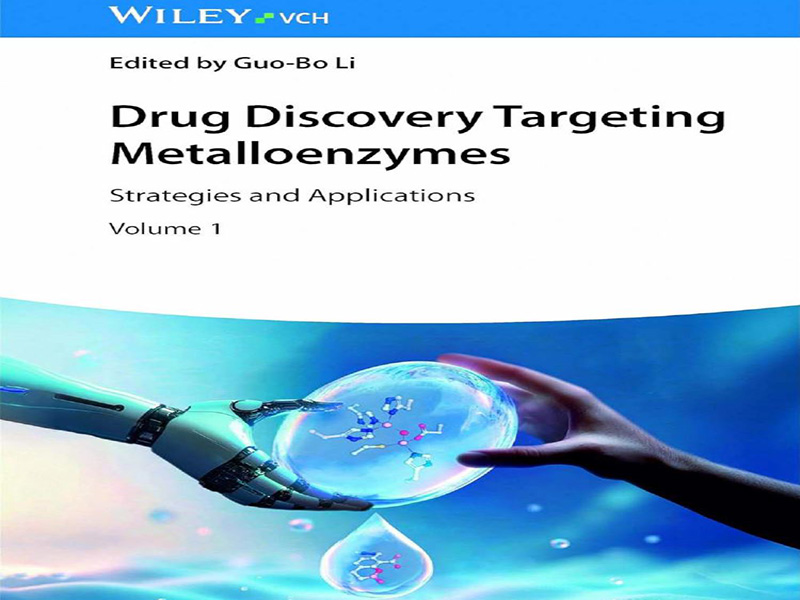
- عنوان کتاب: Drug Discovery Targeting Metalloenzymes
- نویسنده: Guo-Bo Li
- حوزه: داروسازی
- سال انتشار: 2026
- تعداد صفحه: 687
- زبان اصلی: انگلیسی
- نوع فایل: pdf
- حجم فایل: 12.9 مگابایت
متالوآنزیمها مجموعهای فراگیر از آنزیمها را تشکیل میدهند که برای فعالیت زیستی، یکپارچگی ساختاری، عملکردهای سیگنالدهی و موارد دیگر به یونهای فلزی متکی هستند. نکته قابل توجه این است که بیش از یک سوم از کل آنزیمهای شناخته شده به عنوان متالوآنزیم شناخته میشوند. این آنزیمها مدتهاست که به دلیل اهمیتشان در طیف وسیعی از زمینههای تحقیقاتی و کاربردهای اجتماعی شناخته شدهاند. به عنوان مثال، در زیستشناسی مصنوعی، متالوآنزیمهای مصنوعی با عملکرد متنوع توسعه یافتهاند که پتانسیل مهندسی تحولات بیوکاتالیستی جدید را که در طبیعت یافت نمیشوند، برجسته میکنند. با توجه به نقشهای حیاتی آنها در فرآیندهای بیولوژیکی و بیماریهای مختلف، متالوآنزیمها به عنوان اهداف کلیدی برای مداخله درمانی ظهور کردهاند. اگرچه چندین دارو و کاندیدای دارویی که متالوآنزیمها را هدف قرار میدهند شناسایی شدهاند، اما اکثر ارتباطات بیماری و پتانسیلهای درمانی متالوآنزیمها تا حد زیادی دستنخورده باقی ماندهاند که نشان دهنده مرز وسیع و تا حد زیادی کشف نشده برای کشف و توسعه دارو در این زمینه است. متالوآنزیمها به دلیل وجود یون(های) فلزی با کمبود شدید الکترون، منحصر به فرد هستند و همین امر طراحی دارو برای هدفگیری متالوآنزیمها را در مقایسه با سایر انواع اهداف، به ویژه چالش برانگیز میکند. این امر منجر به مکانیسمهای بالقوه متنوعتر عملکرد دارو میشود، در حالی که چالشهای قابل توجهی را از نظر انتخابپذیری دارو نیز به همراه دارد. در سالهای اخیر، رویکردهای متنوعی برای افزایش کارایی کشف دارو با هدف قرار دادن متالوآنزیمها، از جمله شیمیدرمانی/بیوانفورماتیک، بیوانفورماتیک، فناوریهای هوش مصنوعی، پروتئومیکس، زیستشناسی ساختاری و طیفسنجی، پدیدار شدهاند. علاوه بر این، تعداد فزایندهای از اهداف دارویی بالقوه متالوآنزیم، همراه با بسیاری از نمونههای موفق کشف دارو، شناسایی شدهاند. برای پیشرفت بیشتر در زمینه کشف دارو با متالوآنزیم و جذب محققان بیشتر به این حوزه، من از تجربه و دانش تحقیقاتی خود برای همکاری با متخصصان این حوزه برای تدوین این کتاب استفاده کردهام که هدف آن ارائه بینش و پیشبرد پیشرفت در این حوزه مطالعاتی هیجانانگیز است. این کتاب در سه بخش سازماندهی شده است: (۱) استراتژیهای محاسباتی و تجربی برای کشف داروهای متالوآنزیم (فصلهای ۱ تا ۵)، (۲) رویکردها و مواردی برای کشف دارو با هدف قرار دادن خانوادههای متالوآنزیم (فصلهای ۶ تا ۱۱)، و (۳) رویکردها و مواردی برای کشف دارو با هدف قرار دادن متالوآنزیمهای منفرد (فصلهای ۱۲ تا ۱۸). بخش اول با انفورماتیک متالوآنزیم و تکنیکهای پیشرفته طراحی دارو آغاز میشود که برای پیشبرد کشف دارو با هدف قرار دادن متالوآنزیمها مهم هستند. با توجه به نقش حیاتی یونهای فلزی در این آنزیمها، این بخش همچنین شامل فارماکوفورهای اتصال به فلز است که با یونهای فلزی، به ویژه در جایگاههای فعال متالوآنزیم، تعامل دارند و بر نیاز به بهینهسازی دقیق برای افزایش میل ترکیبی و اختصاصیت اتصال تأکید میکند. محاسبات مکانیک کوانتومی/مکانیک مولکولی بینشهای ارزشمندی در مورد مکانیسمهای کاتالیزوری پیچیده (مسیرهای واکنش) متالوآنزیمها ارائه دادهاند و نقش مهمی در کشف مهارکنندههای متالوآنزیم ایفا میکنند. این کتاب در تکمیل این چارچوب نظری، استراتژیهای تجربی ضروری برای مطالعه مکانیسمهای متالوآنزیم را نیز پوشش میدهد و دیدگاهی جامع ارائه میدهد که رویکردهای محاسباتی و آزمایشگاهی را با هم ادغام میکند. علاوه بر این، متالوآنزیمها، که در درجه اول متالوآنزیمها را با تعامل یا مختل کردن مراکز یون فلزی آنها از طریق تداخل چندوجهی هدف قرار میدهند، نشاندهنده یک دسته نوظهور از درمانهای امیدوارکننده هستند. در حالی که چالشها در توسعه متالوآنزیمهای انتخابی همچنان ادامه دارد، موفقیتهای اخیر پتانسیل این رویکرد را در درمان بیماریهای پیچیده، از جمله سرطان، برجسته میکند. بخش دوم بر چندین خانواده کلیدی متالوآنزیم انسانی تمرکز دارد که در سالهای اخیر به عنوان اهداف دارویی مهم ظهور کردهاند، از جمله فسفودیاسترازها، هیستون داستیلازها و کربنیک انیدرازها. این خانوادهها از چندین زیرگروه تشکیل شدهاند که هر کدام در مسیرهای بیولوژیکی متمایزی دخیل هستند و توزیع بافتی متفاوتی را نشان میدهند و در طیف وسیعی از بیماریها نقش دارند. در نتیجه، کشف داروهایی که این خانوادهها را هدف قرار میدهند، طیف گستردهای از نشانههای درمانی را در بر میگیرد. در حالی که این خانوادهها ویژگیهای مشترکی دارند که میتوانند رویکردهای بین رشتهای را هدایت کنند، نیاز مبرمی به توسعه داروهای خاص زیرگروه نیز وجود دارد. علاوه بر این، این بخش به بررسی متالوآنزیمهای باکتریایی و متالوآنزیمهای مرتبط با ویروس میپردازد. متالوآنزیمهای بتالاکتاماز، خانواده بزرگ و رو به گسترشی از آنزیمها هستند که ارتباط نزدیکی با مقاومت آنتیبیوتیکی دارند و توسعه دارو نیازمند بررسی دقیق نفوذپذیری غشای باکتریایی است. در مقابل، چندین آنزیم فلزی مرتبط با ویروس نقشهای حیاتی در تکثیر، مونتاژ و تهاجم ویروس به سلول میزبان ایفا میکنند و آنها را به اهداف دارویی مهمی تبدیل میکنند. بخش سوم، اهداف مهم متالوآنزیم دیگری را پوشش میدهد که در فرآیندهای بیولوژیکی ضروری دخیل هستند و اغلب به عنوان منابع کلیدی عمل میکنند.
Metalloenzymes constitute an ubiquitous ensemble of enzymes that rely on metal ions for their bioactivity, structural integrity, signaling functions, and others. Remarkably, over one-third of all known enzymes are assigned as metalloenzymes. These enzymes have long been recognized for their significance across a wide range of research fields and societal applications. In synthetic biology, for example, functionally diverse artificial metalloenzymes have been developed, underscoring the potential to engineer novel biocatalytic transformations that are not found in nature. Given their critical roles in various biological processes and diseases, metalloenzymes have emerged as key targets for therapeutic intervention. Although several drugs and drug candidates targeting metalloenzymes have been identified, most disease associations and therapeutic potentials for metalloenzymes remain largely untapped, indicating a vast and largely unexplored frontier for drug discovery and development in this field. Metalloenzymes are unique due to the presence of metal ion(s) with strong electron deficiencies, which makes drug design targeting metalloenzymes particularly challenging compared to other types of targets. This results in potentially more diverse mechanisms of drug action, while also presenting significant challenges in terms of drug selectivity. In recent years, a variety of approaches have emerged to enhance the efficiency of drug discovery targeting metalloenzymes, including chemo-/bio-informatics, bioinformatics, artificial intelligence technologies, proteomics, structural biology, and spectroscopy. Additionally, an increasing number of potential metalloenzyme drug targets have been identified, along with many successful drug discovery examples. To further advance the field of metalloenzyme drug discovery and attract more researchers to this area, I have leveraged my own research experience and knowledge to collaborate with experts in the field to compile this book, which aims to provide insights and drive progress in this exciting area of study. This book is organized into three sectors: (i) computational and experimental strategies for metalloenzyme drug discovery (Chapters 1–5), (ii) approaches and cases for drug discovery targeting metalloenzyme families (Chapters 6–11), and (iii) approaches and cases for drug discovery targeting individual metalloenzymes (Chapters 12–18). The first sector begins with metalloenzyme informatics and state-of-the-art drug design techniques, which are important for advancing drug discovery targeting metalloenzymes. Given the critical role of metal ions in these enzymes, this section also includes metal-binding pharmacophores that interact with metal ions, particularly within metalloenzyme active sites, emphasizing the need for careful optimization to enhance both binding affinity and specificity. Quantum mechanical/molecular mechanical calculations have provided valuable insights into the complex catalytic mechanisms (reaction pathways) of metalloenzymes and play a critical role in the discovery of metalloenzyme inhibitors. Complementing this theoretical framework, the book also covers experimental strategies essential for studying metalloenzyme mechanisms, offering a well-rounded perspective that integrates both computational and laboratory approaches. Additionally, metallo-drugs, which primarily target metalloenzymes by interacting with or disrupting their metal ion centers through multifaceted interference, represent an emerging class of promising therapeutics. While challenges persist in developing selective metallo-drugs, recent successes highlight the potential of this approach in treating complex diseases, including cancer. The second sector focuses on several key human metalloenzyme families that have emerged as important drug targets in recent years, including phosphodiesterases, histone deacetylases, and carbonic anhydrases. These families consist of multiple subtypes, each involved in distinct biological pathways and exhibiting varying tissue distributions, and are implicated in a wide range of diseases. As a result, drug discovery targeting these families spans a broad spectrum of therapeutic indications. While these families share common features that can guide cross-disciplinary approaches, there is also an urgent need for the development of subtype-specific drugs. Additionally, the sector explores bacterial metallo-β-lactamases and virus-associated metalloenzymes. Metallo-β-lactamases represent a large and expanding family of enzymes closely linked to antibiotic resistance, with drug development requiring careful consideration of bacterial membrane permeability. In contrast, several virus-related metal enzymes play crucial roles in virus replication, assembly, and host cell invasion, making them significant drug targets. The third sector covers additional important metalloenzyme targets, which are involved in essential biological processes and often act as key regulators in disease progression, along with their drug discovery approaches and case studies. For example, autotaxin and ENPP1 play critical roles in regulating extracellular lipid signaling, and inhibiting these enzymes has shown promise for treating diseases such as cancer and fibrosis. In oxygen sensing, hypoxia-inducible factor prolyl hydroxylases are essential for the body’s adaptive response to low oxygen levels, making them an attractive target for conditions like anemia and ischemia. Histone demethylases, such as KDM5B, regulate gene expression through epigenetic modifications, and inhibiting them could provide novel therapeutic strategies for cancer and other diseases driven by aberrant gene expression. LpxC, involved in bacterial outer membrane synthesis, holds promise for developing new antibiotics to combat antibiotic resistance in Gram-negative infections. Similarly, human glutaminyl cyclases, implicated in neurodegenerative diseases, and tryptophan/indoleamine 2,3-dioxygenase, which plays a key role in immune regulation, present exciting new opportunities for treating neurological disorders and immune-related diseases. These examples underscore the vast potential of targeting metalloenzymes in drug discovery, offering innovative therapeutic strategies across a wide range of diseases. In addition to offering a comprehensive overview of current progress in strategies and cases, this book casts a forward-looking vision on the future of metalloenzyme drug discovery. The interplay between computational techniques and experimental strategies is set to fuel breakthroughs in drug discovery. There is also a need for new computational and experimental tools, including artificial intelligencemodels, with the ability to perform metalloenzyme profiling, to infer the relationships between metalloenzymes and diseases, and other issues in this field. The potential of targeting metalloenzymes for innovative drug discovery is vast, and this book offers a window into this rapidly evolving field. Although my team and I have made some progress in the field of metalloenzyme drug discovery, the scope and depth of our work remain limited, and our understanding of key issues in this field still requires ongoing strengthening. I would like to express my sincere gratitude to the experts and teams whose invaluable contributions have shaped this book. Through their generous sharing of insights and experiences, this book has come to embody such rich and comprehensive content. A special thanks goes to my PhD supervisor, Professor Shengyong Yang, and my postdoctoral mentor, Professor Christopher J. Schofield; their guidance, inspiration, and mentorship have been instrumental in introducing me to the field of metalloenzyme drug discovery. I would also like to extend my thanks to Dr. Lifen Yang, Priyadarshini Natarajan, Sundhar Karuthudiyan, and the entire editorial team for their dedication and hard work in bringing this book to fruition. Finally, I am deeply grateful to my own team for their contributions to this work. I hope that this book will serve as a valuable reference for researchers in the field. If there are any shortcomings or errors, we kindly ask you to point them out, and we will do our best to address them in future updates or incorporate them into our ongoing work. Additionally, I hope that this book will inspire a new generation of scientists to explore the untapped therapeutic potential ofmetalloenzymes. The path ahead is full of promise, and as our understanding of metalloenzyme mechanisms and their association with diseases deepens, so too will the opportunities to develop innovative and effective treatments for a wide range of diseases.
این کتاب را میتوانید از لینک زیر بصورت رایگان دانلود کنید:
Download: Drug Discovery Targeting Metalloenzymes
















نظرات کاربران