



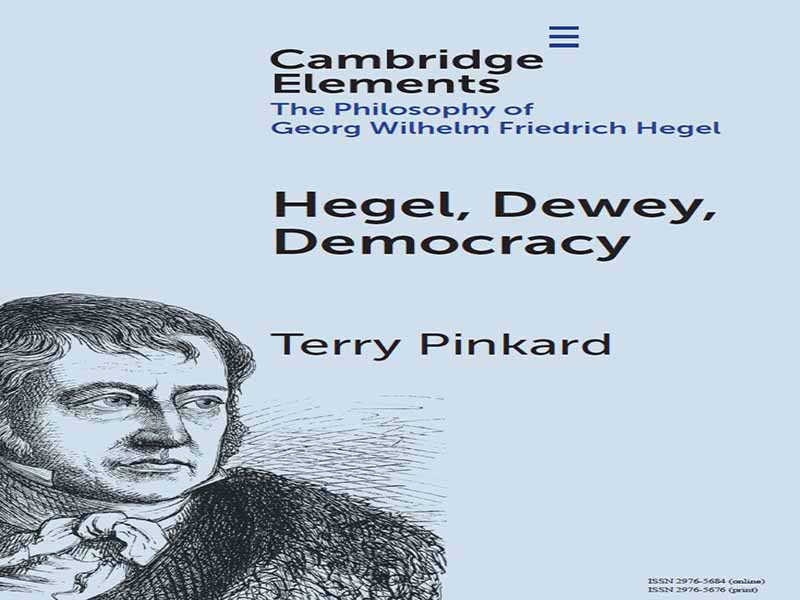
- عنوان کتاب: Hegel, Dewey, Democracy
- نویسنده: Terry Pinkard
- حوزه: هگل
- سال انتشار: 2026
- تعداد صفحه: 74
- زبان اصلی: انگلیسی
- نوع فایل: pdf
- حجم فایل: 1.74 مگابایت
ریچارد رورتی در یکی از آن اظهارنظرهای گذرا و فیالبداههی فراوانش، گفت که «عملگرایی (پراگماتیسم) حاصلِ ترکیبِ دیدگاه هگلی دربارهی دانش — یعنی دانش به مثابهی امری وابسته به بافتار و در نتیجه وابسته به پیشامدهای تاریخی — با روایت داروینگرایانه از چگونگی رسیدن ما به وضعیت کنونی است.» این سخن نیز، همچون بسیاری از حاشیهگوییهای رورتی، در عین حال که بیش از حد کلی است، بسیار بصیرتبخش نیز هست؛ هرچند ناگزیر موجب برانگیختن مخالفت متخصصان این حوزهها میشود. به همین ترتیب، آلن رایان در پژوهش تحسینشدهاش دربارهی اندیشهی اجتماعی و سیاسی دیویی، (باز هم به شکلی نسبتاً گذرا) خاطرنشان کرد که آنچه از دلِ هگل بیرون آمد، یکی مارکسیسم بود — به مثابهی فرزند نامشروع هگلگرایی که با شدتی متناسب با بدهیهای فکریاش، والدین خود را طرد کرد — و دیگری عملگرایی بود؛ نسخهای لیبرال که در همان اصطبلی زاده شد که مارکسیسم در آن متولد شده بود. هگل، داروین، مارکسیسم، لیبرالیسم، سوسیالیسم و دموکراسی: همهی اینها در نوعی تاریخ اندیشه به هم پیوند خوردهاند، اما جایگاه فلسفی آنها کجاست؟ به نظر میرسد که حضور هگل و دیویی در فلسفهی انگلیسیزبان، حالتی نوسانی داشته است؛ آنها هرگز واقعاً از صحنه محو نشدهاند و در گذشتهی نزدیک، گاهی قویترین پایگاهشان نه در فلسفهی حرفهایِ دانشگاهی، بلکه در خارج از آن بوده است. به هر حال، مدتهاست که آنها دیگر آن جایگاه رفیع و مسلطِ پیشین را در اختیار ندارند، هرچند در سالهای اخیر شاهد احیای جایگاه هر دوی آنها به عنوان دو تن از متفکران بزرگِ انسانگرا و جامعنگرِ فلسفه بودهایم؛ متفکرانی که هر یک به شیوهای نظاممند به مسائل کلانی پرداختهاند: از ماهیت دانش و جایگاه عاملیت انسانی در جهان طبیعی گرفته تا شیوههای مناسب و بهتر برای سازماندهی حیات اجتماعی و سیاسی در بسترِ بازنگریِ مدرنِ ارزشها و غیره. بهویژه، آثار تحسینبرانگیز گوناگونی پدید آمدهاند که این دو متفکرِ متعلق به قرون متفاوت را در بافتارِ مسائل پیشِ روی جهان در قرن بیست و یکم قرار میدهند.
In one of his many offhanded quips, Richard Rorty said that “pragmatism is what you get when you combine a Hegelian view of knowledge – knowledge as relative to context, and thus to historical contingencies – with a Darwinian story of how we got here.” As with many Rorty asides, it is both too general but still really very insightful, even if it is bound to get the backs up of specialists in the fields. Likewise, in his lauded study of Dewey’s social and political thought, Alan Ryan noted (again rather offhandedly) that coming out of Hegel was “Marxism as a bastard offspring of Hegelianism that rejected its parent with a violence in proportion to its intellectual debts, and pragmatism as a liberal version born in the same stable as Marxism.” Hegel, Darwin, Marxism, Liberalism, Socialism, and Democracy: All these things hang together in a kind of intellectual history, but where do they stack up philosophically? Both Hegel and Dewey seem to come and go in Anglophone philosophy. They have never really gone away, and in the recent past, both of them at times had their strongest foothold outside of academic professional philosophy. In any event, they have long since failed to occupy the commanding heights they once had, even though in recent years there has been a revival of both as the two of the great humanist generalists of philosophy, each addressing in a systematic way large issues ranging from the nature of knowledge, the place of human agency in the natural world, the proper and better ways to organize social and political life in the context of the modern reevaluation of value, and so on. In particular, there have been a variety of lauded works that place these two thinkers from different centuries in the context of the problems facing the world in the twenty-first century.
این کتاب را میتوانید از لینک زیر بصورت رایگان دانلود کنید:
Download: Hegel, Dewey, Democracy
















نظرات کاربران