



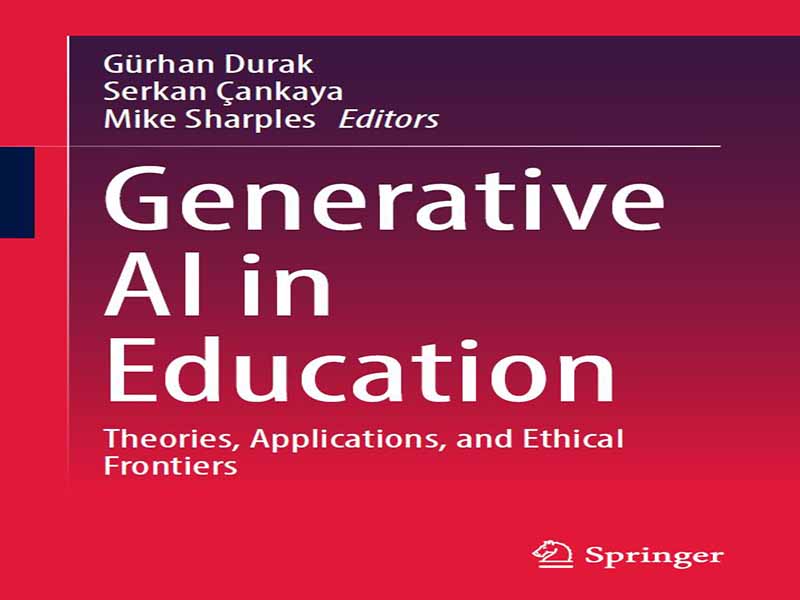
- عنوان کتاب: Generative AI in Education
- نویسنده: Gürhan Durak, Serkan Cankaya, Mike Sharples
- حوزه: هوش مصنوعی مولد
- سال انتشار: 2026
- تعداد صفحه: 432
- زبان اصلی: انگلیسی
- نوع فایل: pdf
- حجم فایل: 4.79 مگابایت
ادغام هوش مصنوعی مولد (GenAI) در آموزش، نشاندهنده یک تغییر اساسی است و قابلیتهای جدید و قدرتمندی را به ارمغان میآورد که نحوه عملکرد محیطهای یادگیری، نحوه طراحی روشهای آموزشی و نحوه تعامل دانشآموزان با آموزش خود را از نو تعریف میکند. GenAI ابزارهایی را فراهم میکند که تجربیات یادگیری شخصیسازیشده را امکانپذیر میکند و به مربیان اجازه میدهد تا رویکردهای خود را متناسب با نیازهای منحصر به فرد هر دانشآموز تنظیم کنند. این فناوری، عاملیت دانشآموز را تقویت میکند، به دانشآموزان کنترل بیشتری بر سفرهای آموزشی خود میدهد و از مدلهای یادگیری تطبیقی که در زمان واقعی تنظیم میشوند تا مؤثرترین پشتیبانی را برای نیازهای آموزشی متنوع ارائه دهند، پشتیبانی میکند. همزمان با اینکه مؤسسات در سراسر جهان به طور فزایندهای به راهحلهای مبتنی بر هوش مصنوعی روی میآورند، قدرت دگرگونکننده GenAI در آموزش همچنان در حال افزایش است. به عنوان ویراستاران این جلد، ما نیاز روزافزون به مجموعهای جامع و میانرشتهای را تشخیص دادیم که نه تنها کاربردهای نوآورانه هوش مصنوعی مولد در آموزش را به نمایش بگذارد، بلکه به ابعاد عمیقتر آموزشی، فنی و اخلاقی این تحول نیز بپردازد. هدف ما گرد هم آوردن صداهای جهانی، دیدگاههای متنوع و تحقیقات نوظهور بود تا نوید و پیچیدگی ادغام GenAI در آموزش و یادگیری را به تصویر بکشد. جلد حاصل، مجموعهای گزینششده از ۲۱ فصل است که توسط متخصصان و محققان برجسته از سیستمهای آموزشی، رشتههای دانشگاهی و زمینههای فرهنگی مختلف نوشته شده است. این کتاب، هوش مصنوعی مولد در آموزش: نظریهها، کاربردها و مرزهای اخلاقی، تأثیر گسترده این پیشرفتها را بررسی میکند. این کتاب بینشهایی را از متخصصان برجسته در هوش مصنوعی، آموزش و فناوری جمعآوری میکند و مبانی نظری و کاربردهای عملی GenAI را در زمینههای آموزشی بررسی میکند. از ادغام هوش مصنوعی در آموزش کلاس درس گرفته تا نقش آن در محیطهای یادگیری فراگیر و پتانسیل آن برای افزایش فرآیندهای ارزیابی و بازخورد، این جلد نگاهی جامع به چگونگی تغییر شکل چشمانداز آموزشی توسط GenAI ارائه میدهد. این کتاب همچنین به ملاحظات اخلاقی حیاتی مربوط به پذیرش هوش مصنوعی در آموزش، از جمله مسائل مربوط به تعصب، حریم خصوصی دادهها، شفافیت و انصاف میپردازد. با توجه به اینکه سیستمهای هوش مصنوعی نقش فزایندهای در تصمیمگیریهای آموزشی ایفا میکنند، اطمینان از استفاده مسئولانه برای حفظ اعتماد و عدالت ضروری است. این کتاب با بررسی مزایا و چالشهای مرتبط با GenAI، راهنماییهایی در مورد چگونگی هدایت مؤسسات آموزشی از پیچیدگیهای اخلاقی پذیرش هوش مصنوعی و در عین حال به حداکثر رساندن پتانسیل آن برای بهبود نتایج یادگیری ارائه میدهد. این کتاب از طریق ترکیبی از بینشهای نظری، مطالعات تجربی و نمونههای موردی دنیای واقعی، مربیان، محققان و سیاستگذاران را به دانش لازم برای تصمیمگیری آگاهانه در مورد ادغام GenAI در شیوههای آموزشی مجهز میکند. با گسترش نقش هوش مصنوعی در آموزش، امیدواریم که این مجموعه به عنوان منبعی ارزشمند، جرقهای برای کاوش بیشتر و تشویق گفتگوی متفکرانه در مورد چگونگی استفاده از GenAI برای ایجاد محیطهای یادگیری فراگیرتر، مؤثرتر و سازگارتر باشد. فصلهای ارائه شده در این جلد، در مجموع چندین پیشرفت کلیدی در این زمینه را برجسته میکنند. اول، آنها نشان میدهند که چگونه GenAI برای شخصیسازی تجربیات یادگیری، خودکارسازی وظایف آموزشی پیچیده و پشتیبانی از طراحی برنامههای درسی پویاتر و چندوجهی استفاده میشود. دوم، این جلد تأکید فزایندهای بر توسعه سواد هوش مصنوعی برای معلمان و دانشآموزان دارد و اذعان میکند که ادغام مؤثر هوش مصنوعی نه تنها به ظرفیت فنی، بلکه به آگاهی انتقادی و نوآوری آموزشی نیز نیاز دارد. سوم، این کتاب چالشهای اخلاقی مهمی را مطرح میکند – به ویژه در رابطه با سوگیری الگوریتمی، مدیریت دادهها و نیاز به شفافیت در تصمیمگیری آموزشی با کمک هوش مصنوعی. همانطور که به آینده نگاه میکنیم، آینده GenAI در آموزش همزمان هیجانانگیز و نامشخص به نظر میرسد. این ابزارها به سرعت در حال تکامل هستند و همراه با آنها، امکانات آموزشی جدید و سوالات سیاسی در حال ظهور هستند. مسیرهای آینده شامل اصلاح سیستمهای ارزیابی مبتنی بر هوش مصنوعی، ادغام بیشتر هوش مصنوعی چندوجهی در محیطهای یادگیری فراگیر و گسترش سیستمهای هوش مصنوعی پاسخگو به فرهنگ است که از تنوع و شمول پشتیبانی میکنند. این جلد با فراخوانی برای همکاری مستمر بین بخشی بین مربیان، متخصصان فناوری، اخلاقگرایان و سیاستگذاران به پایان میرسد تا اطمینان حاصل شود که استفاده از GenAI در آموزش نه تنها نوآورانه، بلکه عادلانه، شفاف و انسانمحور نیز هست. ما از خوانندگان دعوت میکنیم که به این کتاب نه تنها به عنوان مجموعهای از مشارکتهای دانشگاهی، بلکه به عنوان یک گفتگوی زنده نگاه کنند – گفتگویی که با ادامه شکلدهی افق آموزشی توسط GenAI تکامل خواهد یافت.
The integration of Generative Artificial Intelligence (GenAI) into education represents a major shift, bringing powerful new capabilities that redefine how learning environments function, how instructional methods are designed, and how students engage with their education. GenAI provides tools that enable personalized learning experiences, allowing educators to tailor their approaches to meet the unique needs of each student. It fosters student agency, giving learners more control over their own educational journeys, and supports adaptive learning models that adjust in real time to provide the most effective support for diverse educational needs. As institutions across the world increasingly turn to AI-driven solutions, the transformative power of GenAI in education continues to grow. As editors of this volume, we recognized a growing need for a comprehensive, interdisciplinary collection that not only showcases innovative applications of generative AI in education, but also addresses the deeper pedagogical, technical, and ethical dimensions of this transformation. Our goal was to bring together global voices, diverse perspectives, and emerging research to capture both the promise and the complexity of integrating GenAI into teaching and learning. The resulting volume is a curated set of 21 chapters authored by leading experts and researchers from different educational systems, academic disciplines, and cultural contexts. This book, Generative AI in Education: Theories, Applications, and Ethical Frontiers, explores the far-reaching impact of these advancements. It gathers insights from leading experts in artificial intelligence, education, and technology, examining both the theoretical foundations and practical applications of GenAI in educational contexts. From the integration of AI in classroom instruction to its role in immersive learning environments and its potential to enhance assessment and feedback processes, this volume offers a comprehensive look at how GenAI is reshaping the educational landscape. The book also addresses the critical ethical considerations involved in the adoption of AI in education, including issues of bias, data privacy, transparency, and fairness. With AI systems playing a growing role in educational decision-making, ensuring responsible use is essential for maintaining trust and equity. By examining both the benefits and challenges associated with GenAI, this book provides guidance on how educational institutions can navigate the ethical complexities of AI adoption while maximizing its potential to improve learning outcomes. Through a blend of theoretical insights, empirical studies, and real-world case examples, this book equips educators, researchers, and policymakers with the knowledge needed to make informed decisions about integrating GenAI into educational practices. As the role of AI in education continues to expand, we hope that this collection will serve as a valuable resource, sparking further exploration and encouraging thoughtful dialogue on how to leverage GenAI to create more inclusive, effective, and adaptive learning environments. The chapters presented in this volume collectively highlight several key advancements in the field. First, they showcase how GenAI is being used to personalize learning experiences, automate complex instructional tasks, and support the design of more dynamic, multimodal curricula. Second, the volume identifies a growing emphasis on developing AI literacy for both teachers and students, recognizing that effective AI integration requires not only technical capacity but also critical awareness and pedagogical innovation. Third, the book surfaces important ethical challenges— particularly in relation to algorithmic bias, data governance, and the need for transparency in AI-assisted educational decision-making. As we look ahead, the future of GenAI in education appears simultaneously exciting and uncertain. The tools are evolving rapidly, and with them, new pedagogical possibilities and policy questions are emerging. Future directions include the refinement of AI-supported assessment systems, greater integration of multimodal AI into immersive learning environments, and the expansion of culturally responsive AI systems that support diversity and inclusion. This volume concludes with a call for continued cross-sector collaboration among educators, technologists, ethicists, and policymakers to ensure that the use of GenAI in education is not only innovative but also equitable, transparent, and human-centered. We invite readers to approach this book not only as a collection of academic contributions, but also as a living dialogue—one that will evolve as GenAI continues to shape the educational horizon.
این کتاب را میتوانید از لینک زیر بصورت رایگان دانلود کنید:
Download: Generative AI in Education















نظرات کاربران