



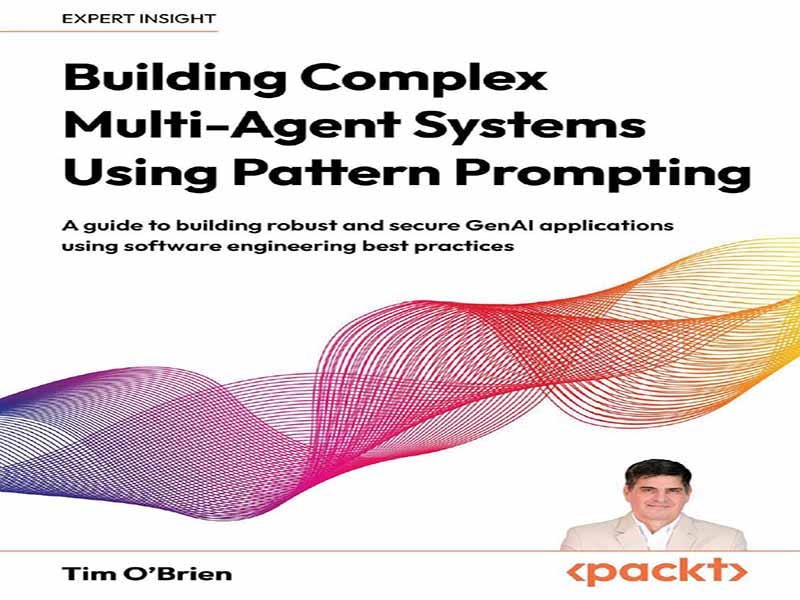
- عنوان کتاب: Building Complex Multi-Agent Systems Using Pattern Prompting
- نویسنده: Tim OBrien
- حوزه: سیستم پیچیده
- سال انتشار: 2026
- تعداد صفحه: 310
- زبان اصلی: انگلیسی
- نوع فایل: pdf
- حجم فایل: 4.32 مگابایت
این کتاب برای مهندسان نرمافزار، معماران و رهبران فنی باتجربه نوشته شده است که میخواهند GenAI را بدون کنار گذاشتن اصول و استانداردهای مهندسی که نرمافزار خوب را تعریف میکنند، به جعبه ابزار خود اضافه کنند. این کتاب آشنایی با مفاهیم توسعه نرمافزار را فرض میکند، اما دانش قبلی در مورد هوش مصنوعی، یادگیری ماشین، RabbitMQ یا Airbyte را فرض نمیکند. هر آنچه که باید در مورد این ابزارها بدانید، در متن معرفی شده است. در پایان این کتاب، شما برای انجام سه کار مجهز خواهید بود. اول، شما قادر خواهید بود برنامههای GenAI بسازید که بتوانند با اطمینان در تولید مستقر شوند: ایمن، قابل اعتماد، مقیاسپذیر و قابل مشاهده. دوم، شما قادر خواهید بود این کار را با استفاده از ابزارها و الگوهایی انجام دهید که کل تیم شما میتوانند آنها را درک و نگهداری کنند، بدون ایجاد سیلوهای دانش و بدهی فنی که باعث شکست بسیاری از پروژههای هوش مصنوعی شده است. سوم، شما قادر خواهید بود در مورد معماری GenAI از اصول اولیه استدلال کنید – تا ریزمعماریهای خود را طراحی کنید، گزینههای خود را ارزیابی کنید و تصمیماتی بگیرید که سالها به جای ماهها به پروژه شما خدمت کنند. آنچه این کتاب پوشش میدهد فصل ۱، مقدمه – الگوها، انتزاعها و چشمانداز GenAI، پایه مفهومی کتاب را ایجاد میکند. این فصل اصطلاحات GenAI را به الگوهای نرمافزاری تثبیتشده نگاشت میکند، ارکستراسیون و رقصآرایی را معرفی میکند، فناوریهای اصلی مانند LLMها و تعبیهها را بررسی میکند و استفاده از ریزمعماریها و ابزارهای پشتیبانی مانند RabbitMQ و Airbyte را توضیح میدهد. فصل ۲، تعبیههای برداری: زبان GenAI، توضیح میدهد که چگونه تعبیهها معنای معنایی را به عنوان بردارها نشان میدهند و بازیابی مبتنی بر شباهت را امکانپذیر میکنند. این فصل شباهت کسینوسی، انتخاب مدل، استراتژیهای قطعهبندی و ملاحظات پیادهسازی عملی را پوشش میدهد و خوانندگان را برای طراحی سیستمهای ذخیرهسازی و بازیابی اسناد مؤثر برای برنامههای مبتنی بر LLM مجهز میکند. فصل ۳، ساخت با GenAI: پارامترها، تنظیم و مراحل پروژه، ماهیت پارامترمحور توسعه GenAI را بررسی میکند. از طریق یک مثال کاربردی، تعاملات بین استراتژی قطعهبندی، انتخاب مدل جاسازی، پیکربندی پرسوجوی پایگاه داده برداری، دمای LLM و طراحی سریع را بررسی میکند و راهنمایی ساختاریافتهای برای مدیریت پروژهها در مراحل شروع، تکرار و تکمیل ارائه میدهد. فصل 4، ساخت اولین برنامه RAG شما، نحوه ساخت یک سیستم RAG در سطح تولید را با استفاده از RabbitMQ نشان میدهد. این فصل آمادگی تولید را از طریق ویژگیهای کلیدی سیستم تعریف میکند و الگوهای طراحی تثبیتشده مانند Circuit Breaker و Retry را برای ایجاد یک برنامه کاربردی مقیاسپذیر، قابل اعتماد و قابل نگهداری برای سازمان به کار میبرد. فصل 5، شروع پروژه مهاجرت داده شما، بر آمادهسازی دادههای سازمانی برای سیستمهای GenAI تمرکز دارد. این فصل انواع اسناد، چالشهای پیشپردازش و استراتژیهای جذب داده در مقیاس بزرگ را همراه با ملاحظات برنامهریزی مانند مدیریت خطا، طراحی طبقهبندی و ارزیابی بازیابی برای اطمینان از خطوط لوله داده با کیفیت بالا و بهینه پوشش میدهد. فصل 6، جذب دادهها با استفاده از Airbyte و Pinecone، یک خط لوله ETL کامل برای جاسازی و ذخیره اسناد ایجاد میکند. این فصل الگوهای یکپارچهسازی پشت Airbyte را توضیح میدهد، راهاندازی و پیکربندی را راهنمایی میکند و گردشهای کاری جذب از سیستمهای منبع به Pinecone، از جمله اعتبارسنجی و آزمایش خروجیهای خط لوله را نشان میدهد. فصل 7، نکات و بهترین شیوهها، راهنماییهای عملی برای پروژههای GenAI، از جمله آزمایشهای تکراری، طراحی معماری، ملاحظات امنیتی و مدیریت هزینه را گردآوری میکند. این فصل به رانش مدل، اعتبارسنجی UX، انطباق و بهینهسازی توکن میپردازد و مرجعی برای مدیریت استقرارهای دنیای واقعی در طول چرخه عمر پروژه ارائه میدهد. فصل 8، کدنویسی هدایتشده با الگو: استفاده از الگوها به عنوان واژگان طراحی برای سیستمهای GenAI ساختهشده بر روی RabbitMQ، یک رویکرد ساختاریافته برای توسعه با کمک LLM با استفاده از الگوهای طراحی نرمافزار تثبیتشده و الگوهای یکپارچهسازی سازمانی (EIP) معرفی میکند. این فصل Topologos، سیستمی برای تولید معماریهای مبتنی بر RabbitMQ معتبر، را ارائه میدهد و نشان میدهد که چگونه میتوان از اصلاح تکراری توپولوژیهای صف، استراتژیهای مسیریابی، امنیت و مدیریت خطا برای طراحی سیستمهای GenAI آماده تولید استفاده کرد. همچنین نشان میدهد که چگونه سیستمهای کامل قابل استقرار، شامل مانیفستها، تولیدکنندگان، مصرفکنندگان و پیکربندیهای عملیاتی، میتوانند از مشخصات تأیید شده مبتنی بر الگو تولید شوند. فصل 9، پیادهسازی الگوی ReAct روی RabbitMQ، یک برنامه سفارشی میسازد که الگوی عامل ReAct را با استفاده از یک سیستم پیامرسانی توزیعشده مبتنی بر RabbitMQ پیادهسازی میکند. این فصل به بررسی ابزارهای مقیاسپذیر، تولیدکنندگان و مصرفکنندگان پیام، شناسههای همبستگی، مدیریت تلاش مجدد و توپولوژیهای صف dead-letter میپردازد. همچنین خواهید دید که چگونه تصمیمات عامل به تبادلات، صفها و الگوهای مسیریابی RabbitMQ ترجمه میشوند تا برنامههای چندعاملی قوی، مقیاسپذیر و ایمن ایجاد شوند. فصل 10، آینده و محدودیتهای LLMها، مرزهای اساسی LLMها را بررسی میکند و بررسی میکند که آیا سیستمهای هوش مصنوعی واقعاً میتوانند استدلال کنند، بفهمند یا تبدیل شوند.
This book is written for experienced software engineers, architects, and technical leads who want to add GenAI to their toolbox without abandoning the engineering principles and standards that define good software. It assumes familiarity with software development concepts, but it does not assume prior knowledge of AI, machine learning, RabbitMQ, or Airbyte. Everything you need to know about these tools is introduced in context. By the end of this book, you will be equipped to do three things. First, you will be able to build GenAI applications that can be confidently deployed in production: being secure, reliable, scalable, and observable. Second, you will be able to do so using tools and patterns that your entire team can understand and maintain, without creating the knowledge silos and technical debt that have caused so many AI projects to fail. Third, you will be able to reason about GenAI architecture from first principles — to design your own microarchitectures, evaluate your options, and make decisions that will serve your project for years rather than months. What this book covers Chapter 1, Introduction — Patterns, Abstractions, and the GenAI Landscape, establishes the conceptual foundation for the book. It maps GenAI terminology to established software patterns, introduces orchestration and choreography, surveys core technologies like LLMs and embeddings, and explains the use of microarchitectures and supporting tools such as RabbitMQ and Airbyte. Chapter 2, Vector Embeddings: The Language of GenAI, explains how embeddings represent semantic meaning as vectors and enable similarity-based retrieval. It covers cosine similarity, model selection, chunking strategies, and practical implementation considerations, equipping readers to design effective document storage and retrieval systems for LLM-powered applications. Chapter 3, Building With GenAI: Parameters, Tuning, and Project Phases, explores the parameterdriven nature of GenAI development. Through a worked example, it examines interactions between chunking strategy, embedding model selection, vector database query configuration, LLM temperature, and prompt design, and provides structured guidance for managing projects across initiation, iteration, and completion phases. Chapter 4, Building Your First RAG App, demonstrates how to build a production-grade RAG system using RabbitMQ. It defines production readiness through key system characteristics and applies established design patterns such as Circuit Breaker and Retry to create a scalable, reliable, and maintainable enterprise-ready application. Chapter 5, Starting Your Data Migration Project, focuses on preparing enterprise data for GenAI systems. It covers document types, preprocessing challenges, and large-scale data ingestion strategies, along with planning considerations such as error handling, taxonomy design, and retrieval evaluation to ensure high-quality, optimized data pipelines. Chapter 6, Ingesting Data Using Airbyte and Pinecone, builds a complete ETL pipeline for embedding and storing documents. It explains integration patterns behind Airbyte, guides setup and configuration, and demonstrates ingestion workflows from source systems into Pinecone, including validation and testing of pipeline outputs. Chapter 7, Tips and Best Practices, compiles practical guidance for GenAI projects, including iterative experimentation, architecture design, security considerations, and cost management. It addresses model drift, UX validation, compliance, and token optimization, providing a reference for managing real-world deployments across the project lifecycle. Chapter 8, Pattern-Guided Coding: Using Patterns as the Design Vocabulary for GenAI Systems Built on RabbitMQ, introduces a structured approach to LLM-assisted development using established software design patterns and Enterprise Integration Patterns (EIP). The chapter presents Topologos, a system for generating validated RabbitMQ-based architectures, and demonstrates how iterative refinement of queue topologies, routing strategies, security, and failure handling can be used to design production-ready GenAI systems. It also shows how complete deployable systems, including manifests, producers, consumers, and operational configurations, can be generated from approved pattern-driven specifications. Chapter 9, Implementing the ReAct Pattern Over RabbitMQ, builds a custom application that implements the ReAct agentic pattern using a distributed RabbitMQ-based messaging system. The chapter explores scalable tool workers, message producers and consumers, correlation IDs, retry handling, and dead-letter queue topologies. You will also see how agent decisions are translated into RabbitMQ exchanges, queues, and routing patterns to create robust, scalable, and secure multi-agent applications. Chapter 10, The Future and Limitations of LLMs, explores the fundamental boundaries of LLMs and examines whether AI systems can truly reason, understand, or become aware of what they are doing. Drawing on the work of leading thinkers and scientists, the chapter presents a rigorous critique of claims surrounding AGI and machine intelligence. The chapter investigates topics including reasoning, consciousness, computation, and the limits of statistical learning, while separating the genuine strengths of LLMs from the hype often surrounding them. Appendix A, Pattern Reference: GoF, Enterprise Integration, Reliability, and GenAI Microarchitecture Patterns, serves as a compact reference guide to the architectural patterns used throughout the book. It brings together classical GoF patterns, EIP, reliability patterns, and GenAI microarchitectures, showing how they apply to modern AI and RabbitMQ-based distributed systems. Appendix B, Topologos User Manual, serves as a practical guide to using Topologos for designing RabbitMQ-based agentic AI architectures. The manual includes command references, workflows, deployment guidance, worked examples, FAQs, troubleshooting sections, and best practices for building and validating production-ready distributed systems.
این کتاب را میتوانید از لینک زیر بصورت رایگان دانلود کنید:
Download: Building Complex Multi-Agent Systems Using Pattern Prompting
















نظرات کاربران