













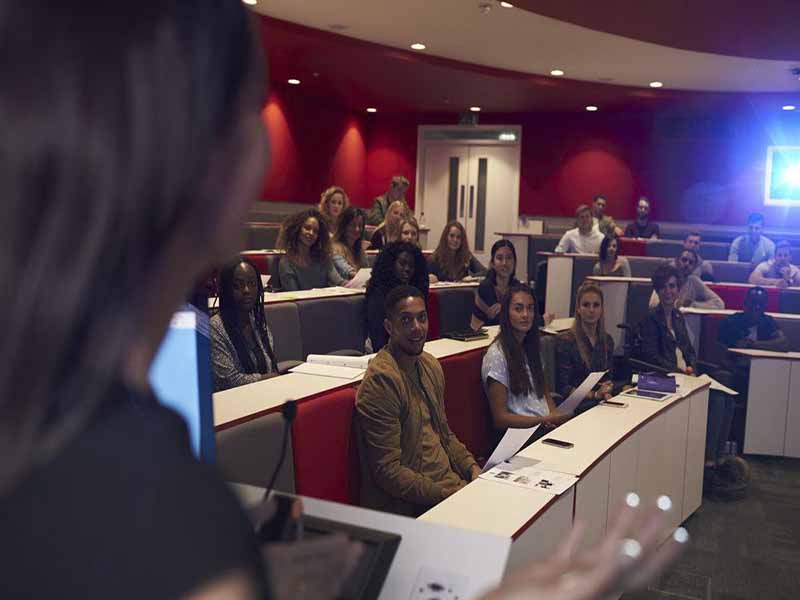
If I asked you to describe a great leader, I’d be willing to bet certain traits come to mind … someone charismatic, dynamic, inspiring, a confident public speaker. You’re probably imagining a man too, but that’s a bias we’ll save for another talk! We tend to think of great leaders as people who naturally take to the stage, who draw other people to them by their sheer presence, who are extroverts. But history has also been transformed by people who don’t fit these descriptions. People like Rosa Parks, Eleanor Roosevelt and Gandhi. These people would have described themselves as shy, quietly spoken … as introverts.
Of course we’re drawn to extroverts. They’re usually charming and persuasive, fun to be around. They’re not quietly in the corner somewhere reading a book where we might not notice them. Introverts are mostly happy to let the extroverts take the attention; they’d rather not be in the spotlight, they’d rather finish that book. If they become leaders, it’s not because they want to be the centre of attention, it’s because they feel compelled to act. They lead not because they enjoy giving orders but because circumstances have put them in a position to make change. If they’re the boss, they allow space for the ideas of others to grow because they’re not trying to make their mark. An introvert sounds like a pretty good boss, right? You won’t need to worry about them stealing your ideas or talking over you in a meeting.
Some of our great creators are introverts too. People like the writer JK Rowling, the great thinker Darwin and the designer of the first Apple computer, Steve Wozniak. It turns out coming up with good ideas is easier when you’re engaged in quiet, solo contemplation than when you’re leading the cheerleading squad. Not that I’m saying there’s anything wrong with cheerleaders! Extroverts are great – some of my favourite people are extroverts. But why is the world so set up for extroverts and so hard for introverts? Why are we always encouraging our kids to speak up, join in, work as a team?
Nowadays, most schools and most workplaces are set up with the extrovert in mind. Children no longer sit in rows in desks, they sit in groups of four or six, doing group projects. Even subjects like maths and creative writing are taught with an emphasis on group collaboration, even though most writers sit alone in front of their computer or typewriter, with nothing between them and the blank page. A kid who prefers to go off into a corner and work alone starts to look like a problem. What’s wrong with Janie? Why isn’t she joining in? Studies show teachers think extroverts make better students, even though introverts actually tend to get higher grades. We’re telling our introverted kids something is wrong with them, that they need to be more sociable, more outgoing. We’re giving them fewer opportunities for the quiet contemplation they need in order to produce the best work and be their best selves.
And then at work we do the same. Most offices today are open plan, everyone working and creating noise in one big room, attending team-building workshops or group brainstorming sessions; the introverts’ worst nightmares. The introverts at school are judged negatively by their teachers and when they reach the workplace, they’re passed over for promotion into leadership positions. But introverts typically take fewer risks and make more careful decisions, and don’t we need those traits too?
I’m not saying let’s get rid of extroverts and grab all those talkative, sociable performers at primary school and send them off to the library for four hours a day of solitude until they learn to tone it down. I’m not saying that at all. I’m saying we’re doing something like the opposite of that to introverts and we need to stop. We need to allow them space to be themselves and then we’ll end up getting the most out of our extroverts and our introverts. Let’s teach all our kids how to work with others and how to work on their own. Let’s create space in offices and at conferences for people to work on their own when they want to and give them the opportunity to come together to share ideas. Let’s give staff ‘away days’, where they go off into the woods, walk up a mountain or wherever, to work on something alone, as well as the ‘team-building day’ where everyone learns to dance salsa together.
The future is complicated, with a lot of huge, complex problems to solve. Let’s make sure we’ve got our best people working on those problems in the way that suits them best. And then we’ve got to make sure we listen to our extroverts and our introverts and everyone who sits somewhere in between on the scale. We’re going to need all of them.
اگر از شما بخواهم یک رهبر بزرگ را توصیف کنید، حاضرم شرط ببندم که ویژگیهای خاصی به ذهنتان خطور میکند… کسی کاریزماتیک، پویا، الهامبخش، یک سخنران عمومی با اعتماد به نفس. احتمالاً شما هم یک مرد را تصور میکنید، اما این یک تعصب است که برای یک سخنرانی دیگر نگه میداریم! ما تمایل داریم رهبران بزرگ را افرادی بدانیم که به طور طبیعی روی صحنه میروند، با حضور محض خود دیگران را به سمت خود جذب میکنند، افرادی که برونگرا هستند. اما تاریخ نیز توسط افرادی که با این توصیفات مطابقت ندارند، تغییر کرده است. افرادی مانند رزا پارکس، النور روزولت و گاندی. این افراد خود را خجالتی، آرام و با صدای بلند توصیف میکردند… به عنوان درونگرا. البته ما به سمت برونگراها جذب میشویم. آنها معمولاً جذاب و متقاعدکننده هستند و بودن در کنارشان لذتبخش است. آنها در گوشهای آرام در حال خواندن کتابی نیستند که ممکن است ما متوجه آنها نشویم. درونگراها اکثراً خوشحال میشوند که اجازه دهند برونگراها توجه را به خود جلب کنند. آنها ترجیح میدهند در کانون توجه نباشند، ترجیح میدهند آن کتاب را تمام کنند. اگر آنها رهبر میشوند، به این دلیل نیست که میخواهند مرکز توجه باشند، بلکه به این دلیل است که احساس میکنند مجبور به عمل هستند. آنها رهبری میکنند نه به این دلیل که از دستور دادن لذت میبرند، بلکه به این دلیل که شرایط آنها را در موقعیتی قرار داده است که میتوانند تغییر ایجاد کنند. اگر رئیس باشند، به ایدههای دیگران اجازه رشد میدهند زیرا سعی نمیکنند خودشان را نشان دهند. یک درونگرا به نظر میرسد رئیس خیلی خوبی باشد، درست است؟ لازم نیست نگران باشید که آنها ایدههای شما را بدزدند یا در جلسهای حرف شما را بزنند.
برخی از خالقان بزرگ ما نیز درونگرا هستند. افرادی مانند نویسنده جی کی رولینگ، متفکر بزرگ داروین و طراح اولین کامپیوتر اپل، استیو وزنیاک. معلوم شده است که وقتی در سکوت و تنهایی مشغول تفکر هستید، ایدههای خوب راحتتر از زمانی است که رهبری گروه تشویقکنندگان را بر عهده دارید. نه اینکه بگویم تشویقکنندگان مشکلی دارند! برونگراها عالی هستند – برخی از افراد مورد علاقه من برونگرا هستند. اما چرا دنیا برای برونگراها اینقدر آماده و برای درونگراها اینقدر سخت است؟ چرا ما همیشه بچههایمان را تشویق میکنیم که صحبت کنند، به جمع بپیوندند و به صورت تیمی کار کنند؟ امروزه، اکثر مدارس و اکثر محلهای کار با در نظر گرفتن برونگراها تنظیم شدهاند. بچهها دیگر در ردیفهای پشت میز نمینشینند، بلکه در گروههای چهار یا شش نفره مینشینند و پروژههای گروهی انجام میدهند. حتی دروسی مانند ریاضی و نویسندگی خلاق با تأکید بر همکاری گروهی تدریس میشوند، حتی با اینکه اکثر نویسندگان به تنهایی جلوی کامپیوتر یا ماشین تحریر خود مینشینند، بدون اینکه چیزی بین آنها و صفحه خالی باشد. بچهای که ترجیح میدهد به گوشهای برود و به تنهایی کار کند، کمکم به یک مشکل تبدیل میشود. مشکل جینی چیست؟ چرا او به جمع نمیپیوندد؟ مطالعات نشان میدهد که معلمان فکر میکنند برونگراها دانشآموزان بهتری هستند، حتی با اینکه درونگراها در واقع نمرات بالاتری میگیرند. ما به بچههای درونگرای خود میگوییم که مشکلی در آنها وجود دارد، اینکه آنها باید اجتماعیتر و اجتماعیتر باشند. ما به آنها فرصتهای کمتری برای تفکر آرام و عمیقی که برای ارائه بهترین کار و بهترین بودن به آن نیاز دارند، میدهیم.
و در محل کار نیز همین کار را میکنیم. امروزه اکثر دفاتر کار به صورت باز هستند، همه در یک اتاق بزرگ کار میکنند و سر و صدا ایجاد میکنند، در کارگاههای تیمسازی یا جلسات طوفان فکری گروهی شرکت میکنند؛ بدترین کابوسهای درونگراها. درونگراها در مدرسه توسط معلمانشان به طور منفی قضاوت میشوند و وقتی به محل کار میرسند، برای ارتقاء به سمتهای رهبری نادیده گرفته میشوند. اما درونگراها معمولاً ریسکهای کمتری میکنند و تصمیمات دقیقتری میگیرند، و آیا ما هم به این ویژگیها نیاز نداریم؟
من نمیگویم که بیایید از شر برونگراها خلاص شویم و همه آن مجریان پرحرف و خوشبرخورد مدرسه ابتدایی را بگیریم و آنها را برای چهار ساعت در روز به کتابخانه بفرستیم تا زمانی که یاد بگیرند آن را تعدیل کنند. من اصلاً چنین چیزی نمیگویم. من میگویم که ما چیزی شبیه به عکس آن را با درونگراها انجام میدهیم و باید متوقف شویم. ما باید به آنها فضا بدهیم تا خودشان باشند و سپس در نهایت بیشترین بهره را از برونگراها و درونگراهایمان خواهیم برد. بیایید به همه بچههایمان یاد بدهیم که چگونه با دیگران کار کنند و چگونه به تنهایی کار کنند. بیایید در دفاتر و کنفرانسها فضایی ایجاد کنیم تا افراد هر زمان که میخواهند به تنهایی کار کنند و به آنها فرصت دهیم تا برای به اشتراک گذاشتن ایدهها دور هم جمع شوند. بیایید به کارکنان «روزهای استراحت» بدهیم، جایی که آنها به جنگل میروند، از کوه بالا میروند یا هر جای دیگری، تا به تنهایی روی چیزی کار کنند، و همچنین «روز تیمسازی» که در آن همه یاد میگیرند سالسا برقصند.
آینده پیچیده است، با مشکلات عظیم و پیچیده زیادی برای حل کردن. بیایید مطمئن شویم که بهترین افرادمان را به روشی که برایشان مناسب است، روی آن مشکلات کار میکنند. و سپس باید مطمئن شویم که به برونگراها و درونگراهایمان و هر کسی که در این مقیاس جایی بین این دو قرار دارد، گوش میدهیم. ما به همه آنها نیاز خواهیم داشت.

























نظرات کاربران