



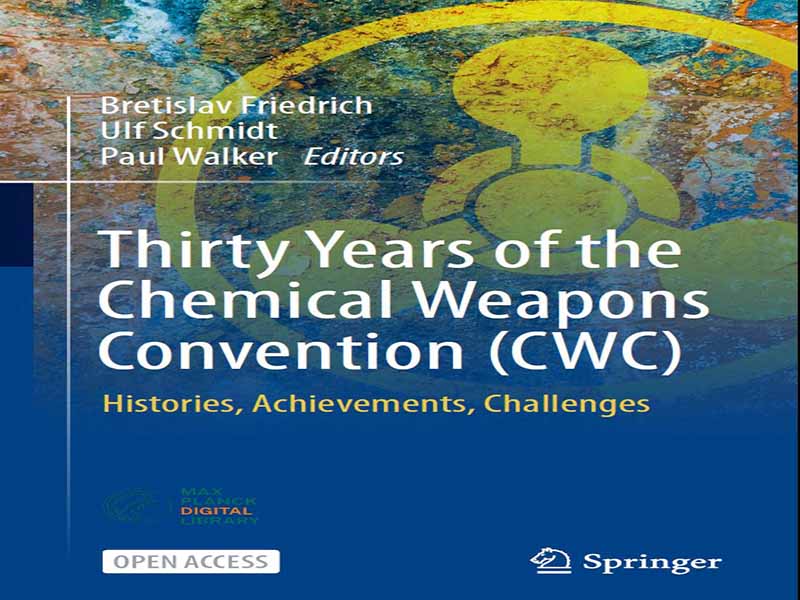
- عنوان کتاب: Thirty Years of the Chemical Weapons -Convention (CWC) Histories, Achievements, Challenges
- نویسنده: Bretislav Friedrich, Ulf Schmidt, Paul Walker
- حوزه: سلاحهای شیمیایی
- سال انتشار: 2026
- تعداد صفحه: 321
- زبان اصلی: انگلیسی
- نوع فایل: pdf
- حجم فایل: 10.1 مگابایت
بسیاری از ساختارهای بینالمللی پس از جنگ جهانی دوم چیزی هستند که میتوان آنها را اخلاق زیستی مجاور نامید: آنها دقیقاً بخشی از مجموعه استانداردها و ابزارهای اخلاق زیستی جهانی شناخته شده، مانند اعلامیه هلسینکی، نیستند، اما با نگرانیهایی که معمولاً در اخلاق زیستی بیان میشوند، همپوشانی دارند. یکی از این موارد، کنوانسیون سلاحهای شیمیایی است که امسال سیامین سالگرد خود را با نابودی ذخایر اعلام شده سلاحهای شیمیایی و مواد شیمیایی با کاربرد دوگانه توسط همه کشورهای عضو جشن گرفت. این نقطه عطف توسط سازمان منع سلاحهای شیمیایی با تقریباً ۴۵۰ کارمند خود، از جمله بازرسان بسیار ماهر که برای این فرآیند در محل حضور داشتند، تأیید شد.
محل اصلی توسعه و انباشت سلاحهای شیمیایی در ایالات متحده، اجوود آرسنال در مریلند و همتای بریتانیایی آن در پورتون داون بود. مواد شیمیایی مورد نظر نوعی تکامل را طی کردند، تقریباً از خردلهای نیتروژنی دوران جنگ جهانی اول تا عوامل عصبی کشنده مانند سارین، و تا مواد توهمزا مانند BZ. در سالهای اولیه پس از هیروشیما و ناگازاکی، منطق رایج برای این سلاحها این بود که آنها انسانیتر از بمب اتمی هستند، اما به تدریج مشخص شد که آنها در میدان نبرد مفید نیستند، معمولاً اثرات بیرحمانهای دارند و انواع رنجهای خاص خود را ایجاد میکنند که درمان آنها هنوز دشوارتر از زخمهای ناشی از سلاحهای جنبشی است. ارتباط نزدیک آنها با کاربردهای پزشکی شیمی نیز سطحی از نگرانی را ایجاد کرد؛ فریتز هابر، که اولین سلاحهای شیمیایی را توسعه داد، در سال ۱۹۱۸ جایزه نوبل شیمی را دریافت کرد. به طور مناسب، کنفرانسی که من در آن شرکت کردم و به مناسبت این نقطه عطف ۳۰ ساله در موسسه فریتز هابر در برلین برگزار شد، برگزار شد.
خوشبختانه، همانطور که مورخ اولف اشمیت مستند کرده است، اجوود هرگز مرگی مانند آنچه در سال ۱۹۵۳ در پورتون یک مهندس ۲۰ ساله نیروی هوایی سلطنتی که در معرض سارین قرار گرفته بود، تجربه نکرد. در دهه ۱۹۵۰، آزمایشهای انسانی برای «جنگ ABC» – اتمی، بیولوژیکی و شیمیایی – تحت سیاست وزارت دفاع قرار گرفت که کلمه به کلمه از قانون نورنبرگ بدون ذکر منبع کپی شده بود، اما ادغام این قوانین در عمل، به عبارت ملایم، بیاثر بود. (من این داستان را در کتابم «ریسک بیمورد» روایت کردهام.) بسیاری از این آزمایشها اکنون بخشی از تخیل عمومی هستند، به ویژه آنهایی که شامل LSD میشدند. یکی از جذابترین جنبههای علاقه مجدد به روانگردانها برای اهداف درمانی، نحوه تغییر مسیر این داستان به سمت مشروعیت پس از دوران ممنوعیت و بوی بد ارتباط آنها با طیف شگفتانگیزی از شخصیتها، از شیمیدانان سیا گرفته تا تیموتی لیری، مرشد مواد مخدر ضدفرهنگ، است. کسی که باید به این لیست اضافه شود، روانپزشک مسئول آزمایشهای توهمزای اجوود، جیمز اس. کچوم است که خاطرات رنگارنگ خود را در سال ۲۰۰۶ منتشر کرد و از اخلاق تحقیقاتی خود دفاع کرد. حتی شدیدترین اقدامات بازرسی نیز تضمینی نیستند. خوانندگان ممکن است متوجه شده باشند که نقطه عطف ۳۰ ساله به «ذخایر اعلامشده» اشاره دارد. سوءظنهای موجهی وجود دارد مبنی بر اینکه برخی کشورها ذخایر و مواد شیمیایی اعلامنشدهای دارند که از سیستم دور ماندهاند؛ استفاده روسیه از نوویچوک به ذهن خطور میکند. آینده نیز قطعی نیست: کارشناسان بریتانیایی، مالکوم داندو و مایکل کراولی، هشدار دادهاند که افزایش درک مکانیسمهای عصبی نه تنها برای علم پزشکی مفید است، بلکه ممکن است مسیرهای جدیدی را برای سوءاستفاده از مغز توسط دولتها یا بازیگران غیردولتی آشکار کند. در مورد سلاحهای بیولوژیکی چطور، که اکنون نگرانی جدیدی در مورد کاربرد بالقوه هوش مصنوعی برای ایجاد مولکولهای جدید ایجاد شده است؟ برخلاف کنوانسیون سلاحهای شیمیایی، کنوانسیون سلاحهای بیولوژیکی و سمی، با مجموع سه کارمند دائمی سختکوش، اساساً هیچ مکانیسم تأییدی ندارد.
با وجود این واقعیت که در فضایی که از اواخر دهه ۱۹۴۰ برای پیشرفت کمتر از هر زمان دیگری مساعد است، کارهای بسیار بیشتری برای انجام دادن وجود دارد، در دورانی که اعتماد به نهادهای جهانی آشکارا کاهش یافته است، نابودی این ذخایر شیمیایی باید جشن گرفته شود. حداقل این یادآوری را ارائه میدهد که تاریکترین مسیرها اجتنابناپذیر نیستند.
Many post-World War II international structures are what might be called bioethics adjacent: They are not strictly part of the set of widely recognized global bioethics standards and instruments, like the Declaration of Helsinki, but they overlap with concerns routinely expressed in bioethics. One of these is the Chemical Weapons Convention, which celebrated its 30th anniversary this year with the destruction by all States Parties of their declared stockpiles of chemical weapons and dual-use chemicals. This milestone was verified by the Organisation for the Prohibition of Chemical Weapons with its roughly 450-person staff, including highly skilled inspectors who were on-site for the process.
The principal US site for the development and stockpiling of chemical weapons was Edgewood Arsenal in Maryland, with its British counterpart at Porton Down. The chemicals of interest went through a sort of evolution, roughly from the World War I-era nitrogen mustards to lethal nerve agents like sarin, to deliriants like BZ. In the early years after Hiroshima and Nagasaki, a common rationale for these weapons was that they were more humane than The Bomb, but it gradually became clear that they were not useful on the battlefield, tended to be indiscriminate in their effects, and engendered their own kinds of suffering that was still more difficult to treat than wounds from kinetic weapons. Their close association with medical applications of chemistry also created a level of unease; Fritz Haber, who developed the first chemical weapons, won the Nobel Prize in chemistry in 1918. Fittingly, a conference that I attended recognizing the 30-year milestone was held at the Fritz Haber Institute in Berlin.
Fortunately, Edgewood never experienced a death like that at Porton in 1953 of a 20-year old RAF engineer who was exposed to sarin, as historian Ulf Schmidt has documented. In the 1950s human experiments for “ABC warfare”—atomic, biological, and chemical—fell under a Department of Defense policy that was copied verbatim from the Nuremberg Code without attribution, but the integration of these rules into practice was, to put it mildly, ineffective. (I have told this story in my book Undue Risk.) Many of these experiments are now part of the public imagination, especially those involving LSD. One of the most fascinating aspects of the renewed interest in psychedelics for therapeutic purposes is the way that the arc of this story has shifted toward legitimacy after an era of prohibition and the bad odor of their association with an astonishing range of characters, from CIA chemists to the counter-culture drug guru Timothy Leary. Someone to be added to this list is the psychiatrist in charge of the Edgewood hallucinogens experiments, James S. Ketchum, who published his colorful memoir in 2006, defending his research ethics.
Even the most intensive inspection measures are no guarantee. Readers may have noted that the 30-year milestone refers to “declared stockpiles.” There are well-grounded suspicions that some countries have undeclared stockpiles and chemicals that have eluded the system; Russia’s use of Novichok comes to mind. Neither is the future certain: British experts Malcolm Dando and Michael Crowley have warned that increasing understanding of neural mechanisms is not only good for medical science but also may expose new routes to exploitation of the brain by states or nonstate actors. What about biological weapons, now a renewed worry with the potential application of AI to create new molecules? Unlike the Chemical Weapons Convention, the Biologic and Toxin Weapons Convention, with a grand total of three hard-working regular staff, has essentially no verification mechanism.
Despite the fact that there is much more work to be done in an atmosphere that is less conducive to progress than anytime since the late 1940s, in an era of evidently diminished confidence in global institutions the destruction of these chemical stock-piles is to be celebrated. At least it provides a reminder that the darkest paths are not inevitable.
این کتاب را میتوانید از لینک زیر بصورت رایگان دانلود کنید:
Download: Thirty Years of the Chemical Weapons
















نظرات کاربران