



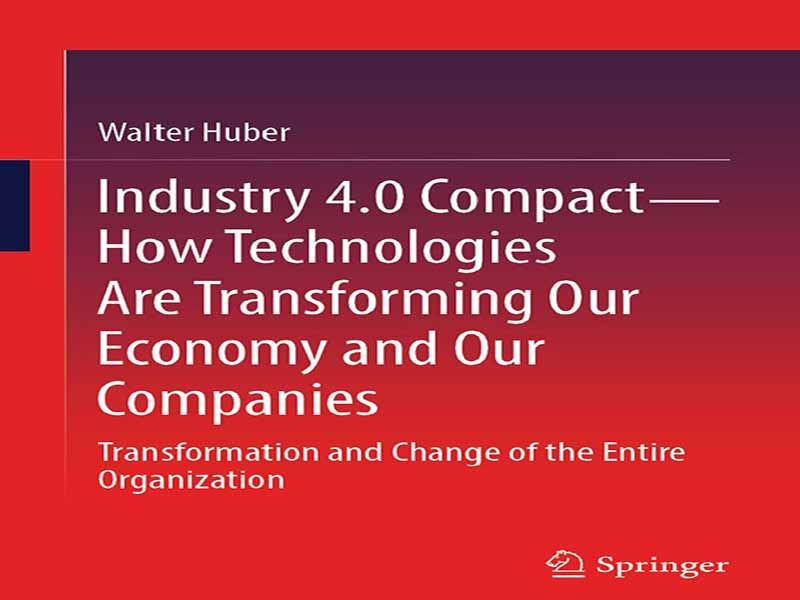
- عنوان کتاب: Industry 4.0 Compact – How Technologies Are Transforming Our Economy and Our Companies
- نویسنده: Walter Huber
- حوزه: انقلاب صنعتی چهارم
- سال انتشار: 2026
- تعداد صفحه: 279
- زبان اصلی: انگلیسی
- نوع فایل: pdf
- حجم فایل: 5.16 مگابایت
شرکتهای ما و کل اقتصاد در حال حاضر دستخوش فرآیندی عظیم از تحول و دگرگونی هستند. کووید-۱۹ این تغییرات را بهشدت شتاب بخشید و نقاط ضعف ساختارهای موجود را بیرحمانه آشکار ساخت. بحرانهای بعدی نیز این روند را تشدید کردهاند. در مجموع، این فرآیند تغییر، مطالبات و الزامات کاملاً جدیدی را پیش روی شرکتها و کل اقتصاد قرار میدهد. فشار برای نوآوری و پویاییِ آن بهطور قابلتوجهی افزایش یافته و با تغییر اکوسیستمها و در نتیجه، تغییر زنجیرههای ارزش و همچنین فرآیندهای تولید و کار همراه شده است. محصولات و خدمات نوآورانه — و به تبع آن، مدلهای کسبوکار جدید — هم پیشران و هم نتیجهی این تحول هستند. همهگیری ما را ناچار به پذیرش شیوههای کاری جدید کرد و سازوکارها و فرآیندهای رهبری و تصمیمگیری را بهطور چشمگیری دگرگون ساخت. در دوران همهگیری، دورکاری به «هنجار جدید» تبدیل شد. سبکهای سنتی رهبری در این شرایطِ تغییریافته به مرزهای کارایی خود رسیدهاند و نیازمند بازنگری هستند. خلاصه کلام آنکه باید بپذیریم که در آیندهای نزدیک، عدم قطعیتها و ناشناختهها، هم زندگی حرفهای و هم زندگی شخصی ما را شکل خواهند داد. در نتیجه، تجربیات گذشته — دستکم تا حدی — اعتبار و کارایی خود را از دست میدهند. این وضعیت، شرکتها را ملزم به اتخاذ الگوهای جدید تفکر و تصمیمگیری و همچنین تغییر اساسی در نگرش میکند. بهطور مشخص، شرکتها باید بیاموزند که چگونه در محیطی پویا و بهشدت بیثبات با موفقیت فعالیت کنند و بدین ترتیب، ریسکها را بهطور مؤثر مدیریت نمایند. فناوریهای دیجیتال میتوانند ما را در مدیریت موفقیتآمیز این فرآیند تغییر یاری دهند؛ هرچند همزمان، خودِ آنها نیز از عوامل پیشرانِ تغییر محسوب میشوند. کارایی این فناوریها در دوران همهگیری (برای مثال، در قالب راهکارهای ارتباطی) به اثبات رسید؛ چرا که بدون آنها، تداوم دورکاری غیرممکن میبود.
Our companies and the entire economy are currently undergoing a massive process of transformation and change. Covid-19 has greatly accelerated these changes and ruthlessly exposed weaknesses in existing structures. Further crises have intensified this trend. Overall, this process of change is leading to completely new demands on companies and the entire economy. The pressure to innovate and its dynamics have increased significantly, accompanied by changing ecosystems and, consequently, value chains as well as production and work processes. Novel products, services, and thus also new business models are both the drivers and the result of this transformation. The pandemic has forced us to adopt new ways of working and significantly altered leadership and decision-making mechanisms and processes. During the pandemic, working from home became the “new normal.” Traditional leadership styles are reaching their limits under these changed conditions and must be rethought. In summary, we must come to terms with the fact that uncertainties and unknowns will shape both our professional and private lives in the near future. As a result, experiences from the past lose their validity and applicability—at least in part. For companies, this creates the necessity for new decision-making and thinking patterns, as well as a significantly altered shift in perspective. Specifically, companies must learn to operate successfully in a dynamic and highly volatile environment and thus manage risks effectively. Digital technologies can help us successfully manage this process of change. At the same time, however, they are also drivers of change. Their usefulness was demonstrated during the pandemic (for example, in the form of communication solutions). Without them, continuing to work from home would have been impossible.
این کتاب را میتوانید از لینک زیر بصورت رایگان دانلود کنید:
Download: Industry 4.0 Compact















نظرات کاربران