



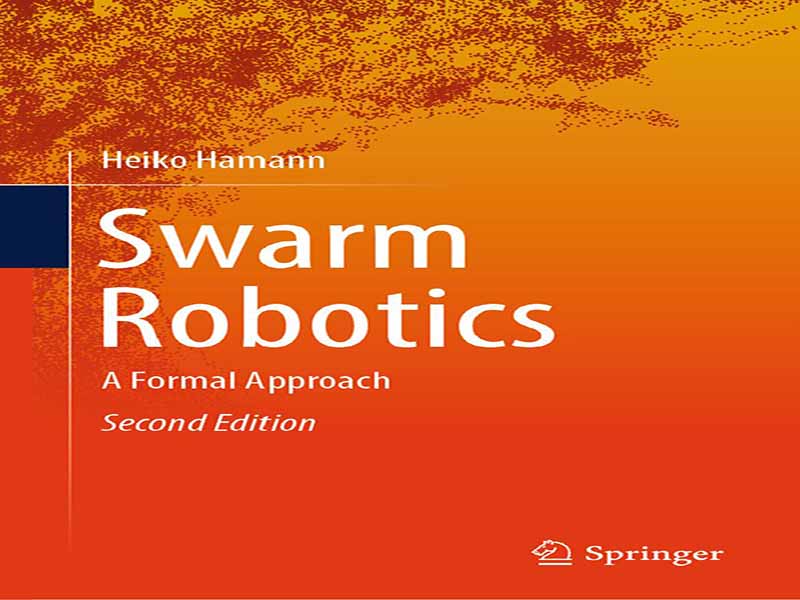
- عنوان کتاب: Swarm Robotics -A Formal Approach
- نویسنده: Heiko Hamann
- حوزه: رباتیک
- سال انتشار: 2026
- تعداد صفحه: 587
- زبان اصلی: انگلیسی
- نوع فایل: pdf
- حجم فایل: 24.6 مگابایت
من تصمیم گرفتم این مقدمه را به صورت یک گفتگو بنویسم. بخشی از الهام من از روند اخیر مصاحبههای پادکست خودکار گرفته شده است که نظرات متفاوتی داشتهاند. اما حتی بیشتر، من تحت تأثیر مکالمات بازیگوشانه و متفکرانه در کتاب «گودل، اشر، باخ» اثر داگلاس هافستادر، اثری که واقعاً تحسینش میکنم، قرار گرفتم. طبیعتاً، مکالمهای که در ادامه میآید تخیلی است. من سوالات را طرح کردم و پاسخها را نوشتم، گاهی اوقات از کنایه بیش از حد استفاده میکنم. با این حال، همه چیز بر اساس انگیزهها و تجربیات واقعی است. میخواستم داستان پشت این ویرایش دوم را به روشی که باز و متفکرانه به نظر برسد، به اشتراک بگذارم. لطفاً هر کلمه را به معنای واقعی کلمه نگیرید، اما امیدوارم در مورد ایدههایی که به اشتراک میگذارم فکر کنید. مجری: هایکو، خوش آمدید و تبریک بابت ویرایش دوم کتابتان! بیش از هفت سال از انتشار ویرایش اول میگذرد. چه چیزی ایده نوشتن ویرایش جدید را برانگیخت؟ هایکو: متشکرم! راستش را بخواهید، این چیزی بود که مدتی بود به آن فکر میکردم. این حوزه به هیچ وجه راکد نبود. من به رصد پیشرفتها ادامه دادم، نه فقط در رباتیک گروهی، بلکه به طور گستردهتر در هوش مصنوعی و رباتیک. سال به سال یادداشتبرداری میکردم؛ این بخش در کتاب وجود ندارد، و این بخش هم در کتاب وجود ندارد… در نهایت، مشخص شد که نسخه اول کمکم دارد قدیمی میشود. مجری: چه نوع پیشرفتهایی شما را به این سمت سوق داد؟ هایکو: چشمانداز هوش مصنوعی از سال ۲۰۱۸ به طرز چشمگیری تغییر کرده است. ما شاهد تکامل یادگیری عمیق، بلوغ یادگیری تقویتی و سپس این جهش بزرگ با مدلهای زبانی بزرگ (LLM) بودهایم. مجری: جالب است، پس پیشرفتها در هوش مصنوعی متمرکز، مانند LLMها، در واقع بر نحوه تفکر ما در مورد سیستمهای غیرمتمرکز مانند swarms تأثیر میگذارند؟ هایکو: خب، LLMها عمدتاً توسط پردازش زبان طبیعی هدایت میشوند و از این پیکرههای غولپیکر سود میبرند. در رباتیک، ما اغلب به این مجموعه دادههای زیبا و بزرگ دسترسی نداریم. این موفقیتهای چشمگیر در هوش مصنوعی و یادگیری ماشین به تدریج راه خود را به رباتیک موبایل و در نهایت، رباتیک گروهی باز میکنند. با این حال، این نوع پیشرفت ناگزیر سوالاتی را در مورد نحوه تفکر ما در مورد هوش، متمرکز در مقابل توزیعشده، طراحیشده در مقابل نوظهور، مطرح میکند و اینها سوالاتی هستند که در قلب رباتیک گروهی قرار دارند. مجری: بنابراین، اگرچه LLMها گروهی نیستند، اما همچنان بر نحوه تفکر ما در مورد گروهها تأثیر میگذارند؟ هایکو: فکر میکنم همینطور است، بله. LLMها انتهای متفاوتی از طیف را نشان میدهند. با این حال، آنها مبنای آنچه را که ما «هوشمند» میدانیم تغییر میدهند. و این باعث میشود که درک ما از هوش غیرمتمرکز و نحوه طراحی برای آن، بسیار مهمتر شود. مجری: و اینجاست که این نسخه جدید وارد میشود؟ هایکو: درست است. من میخواستم کتاب را به روز کنم، نه فقط با اضافه کردن مطالب بیشتر، بلکه با بازاندیشی بخشهایی از آن، گسترش جنبه نظری و محکمتر کردن آن در آنچه اکنون میدانیم. مجری: در اینجا در مورد چه نوع مطالب جدیدی صحبت میکنیم؟ آیا موضوعات کاملاً جدیدی در این نسخه وجود دارد؟ هایکو: بله، تعداد زیادی. بخشهای جدیدی در مورد یادگیری ماشین اضافه کردهام، از جمله بخشهای اختصاصی در مورد یادگیری تقویتی، یادگیری تقویتی معکوس و رباتیک تکاملی ازدحامی. مجری: جالب است. این چطور به ازدحامها ربط پیدا میکند؟ یادگیری معمولاً شبیه کاری است که یک فرد انجام میدهد. هایکو: درست است، این بخشی از چیزی است که آن را جالب میکند. در ازدحامها، ما اغلب به اثرات نوظهور از طریق رفتارهای واکنشی کدگذاری شده دستی متکی هستیم. با این حال، میتوانیم تلاش کنیم که رباتها این رفتارها را یاد بگیرند. ما باید با دقت در مورد معنای «پاداش» در یک سیستم غیرمتمرکز فکر کنیم، یا از رویکردهای متمرکز یاد میگیریم و بعداً آنها را به صورت غیرمتمرکز اجرا میکنیم. مجری: پس شما میپرسید: چگونه تابع پاداش را برای یک ازدحام تعریف کنیم؟ هایکو: و چگونه مشاهدات محلی، یعنی آنچه یک ربات واحد میبیند، میتواند از طریق یادگیری منجر به رفتارهای جهانی شود. با یادگیری تقویتی معکوس، حتی میتوانیم سعی کنیم اهداف جمعی را از رفتارهای مشاهده شده استنباط کنیم. مجری: پس به جای نوشتن قوانین، اجازه میدهید یادگیری یا تکامل کار را انجام دهد؟ هایکو: بله. این کتاب بر رویکرد رسمی تمرکز دارد، اما روشهای یادگیری و مبتنی بر جستجو نیز میتوانند قدرتمند باشند. ما نمیتوانیم همه چیز را با دست طراحی کنیم. تکامل و یادگیری به ما اجازه میدهند تا فضای احتمالات را جستجو کنیم. مجری: و چگونه رویکردهای مدرن به مدلسازی جهان، آن را به تصویر تبدیل میکنند؟ شما در نسخه جدید به آنها اشاره کردهاید. هایکو: مدلهای جهان به طور فزایندهای مرتبط میشوند. ایده این است که عاملها، چه رباتها و چه الگوریتمهای یادگیری، مدلهای داخلی از محیط خود میسازند و از آنها برای برنامهریزی یا تعمیم استفاده میکنند. مجری: بنابراین، دستهها به زودی قادر به تصور آینده خواهند بود؟ هایکو: میتوان این را گفت. حداقل دستهها میتوانند عواقب را پیشبینی کنند، که راههای جدیدی را برای برنامهریزی هماهنگ و رفتار تطبیقی باز میکند. همچنین این امر زمینه ما را با پیشرفتهای رباتیک شناختی و هوش مصنوعی بیشتر مرتبط میکند. مجری: برخی از بزرگترین تغییرات دیگر در این نسخه جدید چیست؟ هایکو: یکی از موارد اضافه شده، یک فصل کاملاً جدید در مورد مقیاسپذیری است. مجری: مقیاسپذیری همیشه بخشی از رباتیک دستهای بوده است. چه چیزهای جدیدی
I chose to write this Preface as a dialogue. Part of the inspiration came from the recent trend of auto-generated podcast interviews, which have had mixed reviews. But even more, I was influenced by the playful and thoughtful conversations in Douglas Hofstadter’s book Gödel, Escher, Bach, a work I truly admire. Naturally, the conversation that follows is fictional. I made up the questions and wrote the answers, sometimes using too much irony. Still, everything is based on real motivations and experiences. I wanted to share the story behind this second edition in a way that feels open and thoughtful. Please don’t take every word literally, but I hope you’ll think about the ideas I share. Host: Heiko, welcome, and congratulations on the second edition of your book! It has been more than seven years since the first edition was released. What sparked the idea to write a new one? Heiko: Thanks! Honestly, it’s something I’d been thinking about for a while. The field didn’t stand still, far from it. I continued to monitor developments, not just in swarm robotics, but also more broadly in AI and robotics. I was taking notes year by year; this is missing from the book, and this is missing from the book…Eventually, it became clear that the first edition was starting to show its age. Host: What kind of developments pushed you in that direction? Heiko: The AI landscape has changed dramatically since 2018. We’ve seen deep learning evolve, reinforcement learning mature, and then this major leap with large language models (LLMs). Host: Interesting, so developments in centralized AI, like LLMs, actually influence how we think about decentralized systems like swarms? Heiko: Well, LLMs are mostly driven by natural language processing and profit from these gigantic corpora. In robotics, we often lack access to these beautiful, large datasets. These extreme successes in AI and machine learning are gradually making their way into mobile robotics and, ultimately, swarm robotics. However, that kind of progress inevitably raises questions about how we think of intelligence, centralized versus distributed, designed versus emergent, and those are questions at the heart of swarm robotics. Host: So even though LLMs aren’t swarms, they still affect how we think about swarms? Heiko: I think so, yes. LLMs represent a different end of the spectrum. Still, they shift the baseline for what we consider ‘smart.’ And that makes it all the more important to sharpen our understanding of decentralized intelligence and how to design for it. Host: And that’s where this new edition comes in? Heiko: Right. I wanted to bring the book up to speed, not just by adding more material, but by rethinking parts of it, expanding the theoretical side, and anchoring it more firmly in what we now know. Host: What kinds of new material are we talking about here? Are there completely new topics in this edition? Heiko: Yes, quite a few. I’ve added new sections on machine learning, including dedicated sections on reinforcement learning, inverse reinforcement learning, and evolutionary swarm robotics. Host: That’s interesting. How does that connect to swarms? Learning usually sounds like something an individual does. Heiko: True, that’s part of what makes it interesting. In swarms, we often rely on emergent effects through hand-coded reactive behaviors; however, we can also attempt to have the robots learn these behaviors. We need to think carefully about what ‘reward’ means in a decentralized system, or we will learn from centralized approaches and later execute them in a decentralized manner. Host: So you’re asking: how do we define the reward function for a swarm? Heiko: And how local observations, that is, what a single robot sees, can lead to global behaviors, through learning. With inverse reinforcement learning, we can even try to infer collective objectives from observed behaviors. Host: So instead of writing rules, you let learning or evolution do the work? Heiko: Yes. The book focuses on the formal approach, but learning and search-based methods can also be powerful. We can’t hand-design everything. Evolution and learning allow us to search the space of possibilities. Host: And how do modern approaches to world models _it into that picture? You mention them in the new edition. Heiko: World models are becoming increasingly relevant. The idea is that agents, whether robots or learning algorithms, build internal models of their environment and use them to plan or generalize. Host: So, swarms will soon be able to imagine futures? Heiko: You could say that. At least swarms could predict consequences, which opens up new avenues for coordinated planning and adaptive behavior. It also connects our field more closely with developments in cognitive robotics and AI. Host: What are some of the other biggest changes in this new edition? Heiko: One major addition is a whole new chapter on scalability. Host: Scalability has always been part of swarm robotics. What’s new about your take? Heiko: True, we always cared about it. However, we have now formalized it much more clearly: we examine the impact of larger swarm sizes, swarm density, and how algorithms and behaviors scale. Host: And you’re talking here about designing the swarm system beforehand. Like calculating optimal swarm densities and predicting communication bottlenecks? Heiko: Yes, but not only that. I also address the concept of ‘online’ scalability, meaning robots are aware of swarm density after deployment and can react accordingly at runtime. That’s a subtle but important shift. Host: That sounds quite technical. Why does scalability matter so much? Heiko: Because it’s fundamental. Our swarm models may also impact other systems. Host: You mean the implications go beyond robotics? Into other fields? Heiko: I believe the way we now think about scalability in swarm robotics has potential far beyond our field. These ideas could be useful for distributed computing, physics and chemistry, and even future large-scale AI infrastructures. It’s a general design challenge and system property, not just a robotics problem.
این کتاب را میتوانید از لینک زیر بصورت رایگان دانلود کنید:
Download: Swarm Robotics -A Formal Approach
















نظرات کاربران