



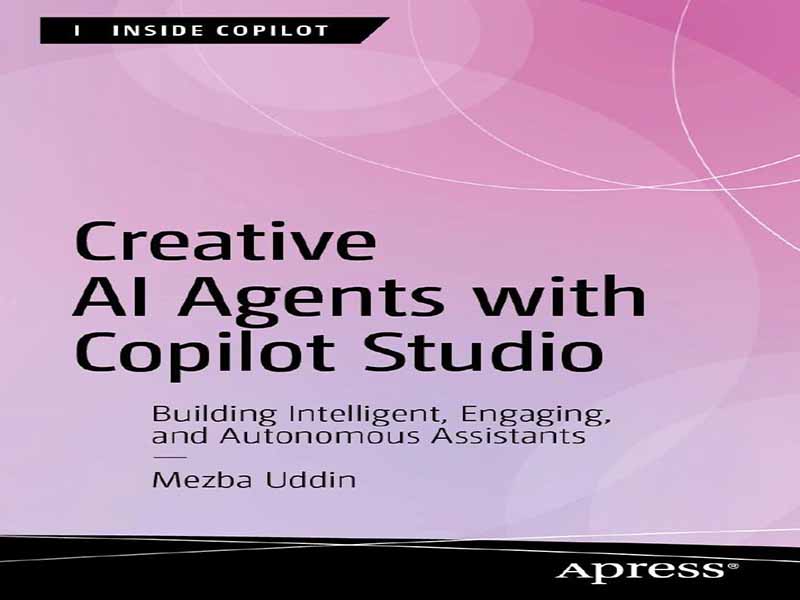
- عنوان کتاب: Creative AI Agents with Copilot Studio -Building Intelligent, Engaging, and Autonomous Assistants
- نویسنده: Mezba Uddin
- حوزه: عاملهای هوش مصنوعی
- سال انتشار: 2026
- تعداد صفحه: 487
- زبان اصلی: انگلیسی
- نوع فایل: pdf
- حجم فایل: 13.7 مگابایت
تنها در عرض چند سال کوتاه، هوش مصنوعی از یک فناوری خاص به نیرویی تبدیل شده است که تقریباً هر بخش از زندگی ما را تحت تأثیر قرار میدهد. چه در سرعت بخشیدن به تصمیمات تجاری، کمک به پزشکان در تجزیه و تحلیل اسکنهای پزشکی، راهنمایی دانشآموزان در دروس پیچیده یا پیشبینی روندهای بازار جهانی، هوش مصنوعی ثابت کرده است که موتور قدرتمندی برای کارایی و هوش است. اما در میان همه این دستاوردهای عملی، یک سؤال باقی مانده است: آیا هوش مصنوعی میتواند خلاق باشد؟ برای مدت طولانی، تصور میشد که خلاقیت یک موهبت منحصر به فرد انسانی است. این موهبت از احساسات، شهود، فرهنگ و تجربه زیسته ما ناشی میشود. نوشتن یک شعر صمیمانه، نقاشی یک تصویر واضح و آهنگسازی آهنگی که مردم را تحت تأثیر قرار میدهد – اینها به عنوان کارهایی دیده میشدند که فقط انسانها میتوانند انجام دهند. ماشینها برای محاسبه و دستهبندی ساخته شدند، نه برای تصور و الهام بخشیدن. این طرز فکر با ظهور هوش مصنوعی مولد شروع به تغییر کرد. برخلاف هوش مصنوعی سنتی که بر تشخیص الگو و تصمیمگیری متمرکز بود، هوش مصنوعی مولد چیز جدیدی را معرفی کرد و آن توانایی خلق کردن است. این تکامل با مدل OpenAI مانند GPT-2 در سال ۲۰۱۹ آغاز شد که میتوانست از یک دستور ساده، قطعات متنی شگفتانگیز و منسجمی تولید کند. سپس در سال ۲۰۲۰، GPT-3 از راه رسید که قادر به نوشتن مقاله، دیالوگ و حتی کد کامپیوتری بود. در سال ۲۰۲۱، DALL-E با تبدیل کلمات به هنر و تولید تصاویر منحصر به فرد بر اساس توضیحات نوشتاری، تخیل جهان را به خود جلب کرد. مایکروسافت که عمیقاً در این تحول سرمایهگذاری کرده و از نزدیک با OpenAI همکاری میکرد، این تغییر خلاقانه را چیزی بیش از یک نوآوری دانست. این یک نقطه عطف بود. در اوایل سال ۲۰۲۳، این شرکت Microsoft 365 Copilot را معرفی کرد و هوش مصنوعی مولد را در ابزارهای پرکاربرد خود مانند Word، Excel، PowerPoint و Teams تعبیه کرد. اکنون کاربران تنها با چند کلمه میتوانستند از هوش مصنوعی بخواهند اسناد را خلاصه کند، ارائه ایجاد کند، صفحات گسترده را تجزیه و تحلیل کند یا ایمیلها را پیشنویس کند. بهرهوری دیگر به معنای انجام کارهای بیشتر نبود؛ بلکه به معنای انجام خلاقانهتر این کارها بود. اما اتفاق غیرمنتظرهای در ادامه رخ داد. همزمان با اینکه مردم در استفاده از هوش مصنوعی برای کمک به کار خود راحتتر میشدند، میل جدیدی پدیدار شد، اینکه آنها فقط نمیخواستند از هوش مصنوعی استفاده کنند؛ آنها میخواستند با آن بسازند. آنها میخواستند دستیاران هوشمند خود را متناسب با نیازها، صنایع و ایدههای خود ایجاد کنند. آنها میخواستند نحوه رفتار هوش مصنوعی، آنچه میداند و نحوه همکاری آن در پروژههایشان را شکل دهند. این تقاضای رو به رشد، مایکروسافت را به ایجاد Copilot Studio سوق داد که رسماً در نوامبر 2023 در کنفرانس Microsoft Ignite راهاندازی شد. Copilot Studio فقط یک ابزار هوش مصنوعی دیگر نبود؛ بلکه نوع جدیدی از پلتفرم بود. پلتفرمی که به کاربران عادی، صرف نظر از پیشینه فنیشان، اجازه میداد تا copilotهای مبتنی بر هوش مصنوعی خود را طراحی کنند. چه شما یک بازاریاب باشید که به دنبال خودکارسازی ایدههای کمپین، معلمی که در حال ساخت یک دستیار درس تعاملی است یا صاحب یک کسب و کار کوچک که میخواهد پشتیبانی مشتری را ساده کند، Copilot Studio راهی برای زنده کردن دیدگاه خلاقانه شما از طریق هوش مصنوعی ارائه میداد. این پلتفرم بهترینهای پلتفرم Power مایکروسافت را با قابلیتهای جدید Generative AI گرد هم آورده است. با یک رابط کاربری کم کد یا بدون کد، کاربران میتوانند ربات بسازند، شخصیت خود را تعریف کنند، آنها را به دادههای تجاری متصل کنند و آنها را به راحتی مستقر کنند. خلاقیت دیگر محدود به هنرمندان یا مهندسان نبود. با Copilot Studio، هر کسی میتواند خالق ابزارهای هوشمند شود. همانطور که انگیزههای پشت ساخت استودیوی Copilot را درک میکنیم، مشخص میشود که این ابزار فقط یک دستیار هوش مصنوعی دیگر نیست؛ بلکه نشاندهندهی کلاس جدیدی از قابلیتهای خلاقانه است. اما دقیقاً چه چیزی آن را از سایر پیشنهادات هوش مصنوعی مایکروسافت متمایز میکند؟ بیایید بررسی کنیم که چگونه استودیوی Copilot هویت خود را در اکوسیستم رو به گسترش هوش مصنوعی حک میکند.
In just a few short years, artificial intelligence has transformed from a niche technology into a force that touches nearly every part of our lives. Whether it’s speeding up business decisions, helping doctors analyze medical scans, guiding students through complex lessons, or predicting global market trends, AI has proven to be a powerful engine of efficiency and intelligence. But amid all these practical achievements, one question lingered: Can AI be creative? For a long time, creativity was thought to be a uniquely human gift. It draws from our emotions, intuition, culture, and lived experience. Writing a heartfelt poem, painting a vivid picture, and composing a song that moves people—these were seen as things that only humans could do. Machines were built to calculate and categorize, not imagine and inspire. That mindset began to shift with the rise of Generative AI. Unlike traditional AI, which focused on pattern recognition and decision making, Generative AI introduced something new, and that is the ability to create. This evolution began with the OpenAI model like GPT-2 in 2019, which could produce surprisingly coherent pieces of text from a simple prompt. Then came GPT-3 in 2020, capable of writing essays, dialogue, and even computer code. In 2021, DALL-E captured the world’s imagination by turning words into art by generating unique images based on written descriptions. Microsoft, deeply invested in this transformation and working closely with OpenAI, saw this creative shift as more than a novelty. It was a turning point. In early 2023, the company introduced Microsoft 365 Copilot, embedding Generative AI into its most widely used tools such as Word, Excel, PowerPoint, and Teams. With just a few words, users could now ask AI to summarize documents, create presentations, analyze spreadsheets, or draft emails. Productivity was no longer about doing more; it was about doing it more creatively. But something unexpected happened next. As people grew more comfortable using AI to assist their work, a new desire emerged, which is they didn’t just want to use AI; they wanted to build with it. They wanted to create their own intelligent assistants tailored to their needs, industries, and ideas. They wanted to shape how AI behaved, what it knew, and how it could collaborate on their projects. This growing demand led Microsoft to create Copilot Studio, officially launched in November 2023 at the Microsoft Ignite conference. Copilot Studio wasn’t just another AI tool; it was a new kind of platform. One that allowed everyday users, regardless of their technical background, to design their own AI-powered copilots. Whether you were a marketer looking to automate campaign ideas, a teacher building an interactive lesson assistant, or a small business owner wanting to streamline customer support, Copilot Studio offered a way to bring your creative vision to life through AI. The platform brought together the best of Microsoft’s Power Platform with the new capabilities of Generative AI. With a low-code or no-code interface, users could build bots, define their personalities, connect them to business data, and deploy them with ease. Creativity was no longer limited to artists or engineers. With Copilot Studio, anyone can become a creator of intelligent tools. As we understand the motivations behind Copilot Studio’s creation, it becomes clear that this tool isn’t just another AI assistant; it represents a new class of creative enablement. But what exactly makes it stand apart from other Microsoft AI offerings? Let’s explore how Copilot Studio carves out its own identity in the expanding AI ecosystem.
این کتاب را میتوانید از لینک زیر بصورت رایگان دانلود کنید:
Download: Creative AI Agents with Copilot Studio















نظرات کاربران