



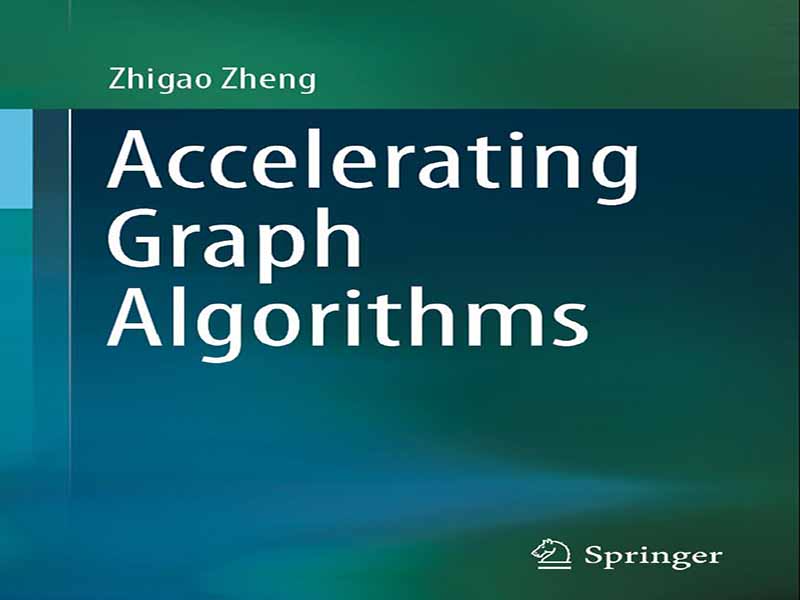
- عنوان کتاب: Accelerating Graph Algorithms
- نویسنده: Zhigao Zheng
- حوزه: الگوریتمهای گراف
- سال انتشار: 2026
- تعداد صفحه: 189
- زبان اصلی: انگلیسی
- نوع فایل: pdf
- حجم فایل: 8.90 مگابایت
معرفی کتاب «الگوریتمهای گراف شتابدهنده» افتخاری است، اثری بهموقع و معتبر که تئوری، مهندسی و دانش عملی مورد نیاز برای پیشبرد محاسبات گراف به دوران شتابدهندههای با کارایی بالا را گرد هم میآورد. گرافها ساختارهای داده بنیادی هستند که بهطور گسترده در شبکههای اجتماعی، سیستمهای بیولوژیکی، گرافهای دانش، موتورهای توصیه، شبکههای حملونقل و بسیاری موارد دیگر مورد استفاده قرار گرفتهاند. با افزایش حجم و پیچیدگی مجموعه دادههای گراف، چگونگی پردازش مؤثر گرافهای بزرگمقیاس، موضوعی جالب و نوظهور است. این کتاب با نشان دادن چگونگی بازنگری در مسائل کلاسیک گراف از طریق لنز محاسبات شتابیافته مدرن، به این نیاز پاسخ میدهد. رویکرد نویسنده واضح، هدفمند و متعادل است. با شروع از الگوریتمهای پیمایش بنیادی و حرکت به سمت تحلیل، دادهکاوی و در نهایت مطالعات عملکرد مقایسهای، هر فصل به تدریج خوانندگان را با مبانی مفهومی و تکنیکهای پیادهسازی ملموس مجهز میکند. ساختار، منعکسکننده گردش کار طبیعی هر کسی است که سیستمهای پردازش گراف را طراحی، پیادهسازی یا ارزیابی میکند: با اصول اولیه شروع کنید، به تجزیه و تحلیل و کشف بپردازید و سپس بهترین سختافزار را برای کار اندازهگیری و انتخاب کنید. فصل ۱، پردازش گراف روی GPUها، الگوریتمهای پردازش گراف معمول و چارچوبهای پردازش گراف را معرفی کرد. علاوه بر این، نویسنده مجموعهای از آزمایشها را برای مقایسه مزایا و محدودیتهای چارچوبهای اخیر طراحی کرد. فصل ۲، الگوریتمهای پیمایش گراف روی GPU، یک پایه عملی و دقیق بنا میکند. پیمایش گراف – که مدتها ذاتاً ترتیبی در نظر گرفته میشد – به آزمایشگاهی برای موازیسازی خلاقانه در معماریهای GPU تبدیل میشود. نویسنده با این موضوع نه به عنوان مجموعهای از دستور العملها، بلکه به عنوان یک مطالعه سیستماتیک برخورد میکند: چگونه مرزها را نمایش دهیم، بارهای کاری نامنظم را متعادل کنیم، سربار همگامسازی را کاهش دهیم و از سلسله مراتب حافظه بهرهبرداری کنیم. خوانندگان با پیادهسازیهایی روبرو خواهند شد که هم سریع و هم قوی در توپولوژیهای مختلف گراف هستند. فصل ۳، الگوریتمهای تحلیل گراف روی GPU، این مبانی را به الگوریتمهایی که ساختار و معنا را استخراج میکنند، میبرد: معیارهای مرکزیت را به عنوان مثالی برای نشان دادن نحوه تسریع الگوریتمهای تحلیل گراف روی GPU در نظر بگیرید. این پوشش بر طراحی مجدد الگوریتم برای توان عملیاتی و همگرایی تحت محدودیتهای موازی تأکید دارد – تکنیکهایی که برای ارائه توان عملیاتی تحلیلی دنیای واقعی روی گرافهای عظیم ضروری هستند. فصل ۴، الگوریتمهای کاوش گراف در GPU، به وظایف مرتبه بالاتر کشف الگو میپردازد: تشخیص جوامع همپوشانی. این مشکل چالشهای بینظمی و انفجار ترکیبی را تشدید میکند. رویکردهای نویسنده، نمایشهای کارآمد از نظر حافظه، تقریبهای احتمالی و استراتژیهای شمارش موازی را که قابلیت ردیابی را در شتابدهندههای مدرن فراهم میکنند، برجسته میکند. فصل ۵، تحلیل عملکرد شتابدهندههای مختلف، یک سنگ بنای متفکرانه و کاربردی است. شتابدهندهها بسیار متفاوت هستند – نه فقط در FLOPS خام یا پهنای باند حافظه، بلکه در مدلهای برنامهنویسی، ویژگیهای تأخیر و مناسب بودن برای بارهای کاری خاص گراف. این فصل با ارائه روشهای معیارسنجی اصولی، استدلال به سبک roofline و مقایسههای بین معماریها، خوانندگان را قادر میسازد تا الگوریتمها را بر اساس بدهبستانهای قابل اندازهگیری: توان عملیاتی، تأخیر و هزینه توسعه، با سختافزار تطبیق دهند. آنچه این کتاب را متمایز میکند، ترکیب بینش الگوریتمی و عملگرایی مهندسی است. نویسنده از منظری مینویسد که هم به دقت ریاضی و هم به واقعیتهای آشفتهی پیادهسازی احترام میگذارد: واگرایی شاخهها، دسترسی پراکنده به حافظه، عدم تعادل بار، جابجایی دادهها و اکوسیستم زنجیرههای ابزار و زمانهای اجرا. به همان اندازه، اکتشافات عملی و استراتژیهای بهینهسازی مبتنی بر پروفایل که در سراسر کتاب پراکنده شدهاند، ارزشمند هستند – راهنماییهایی که باعث صرفهجویی در زمان برای محققان و متخصصان میشود. این کتاب برای مخاطبان گستردهای مفید خواهد بود: دانشجویان تحصیلات تکمیلی که به دنبال درک مرز محاسبات گراف با کارایی بالا هستند؛ محققانی که در حال بررسی فرمولبندیهای موازی جدید برای مسائل گراف هستند؛ مهندسان نرمافزار که سیستمهای تولیدی میسازند که باید به پرسوجوهای عظیم و با تأخیر کم پاسخ دهند؛ و معماران پلتفرم که گزینههای سختافزاری را ارزیابی میکنند. برای همه این خوانندگان، کتاب «تسریع الگوریتمهای گراف» هم به عنوان مرجع و هم به عنوان نقشه راه عمل میکند: این کتاب بهترین شیوههای امروز را در بر میگیرد و به سوالات باز فردا اشاره میکند. در نهایت، فراتر از مشارکتهای فنی خود، این کتاب نشاندهنده تغییر بزرگتری در تفکر محاسباتی است. با افزایش ارتباط دادهها و تشدید تقاضاهای برنامه، مهندسی عملکرد دیگر صرفاً یک جزئیات پیادهسازی نیست – بلکه یک رشته توانمندساز برای علوم جدید و خدمات جدید است. کتاب نویسنده به مهندسان و دانشمندان کمک میکند تا با وضوح، عمق و هدفمندی با این چالش روبرو شوند. خوشحالم که کتاب شتابدهی الگوریتمهای گراف را به شما توصیه میکنم. چه هدف شما شتابدهی به یک هسته واحد، ساخت یک خط لوله تحلیلی مقیاسپذیر یا ارزیابی شتابدهندههای نوظهور باشد.
It is a privilege to introduce Accelerating Graph Algorithms, a timely and authoritative work that brings together the theory, engineering, and practical know-how needed to push graph computing into the era of high-performance accelerators. Graphs are the fundamental data structures that were widely used in social networks, biological systems, knowledge graphs, recommendation engines, transportation networks, and many more. As the size and complexity of graph datasets have grown by orders of magnitude, how to process the large-scale graphs effectively is an interesting and emerging topic. This book answers that call by showing how to rethink classic graph problems through the lens of modern accelerated computing. The author’s approach is clear, purposeful, and well balanced. Beginning with fundamental traversal algorithms and moving through analysis, mining, and finally comparative performance studies, each chapter progressively equips readers with both conceptual foundations and concrete implementation techniques. The structure mirrors the natural workflow of anyone who designs, implements, or evaluates graph-processing systems: start with the primitives, extend to analytics and discovery, and then measure and choose the best hardware for the task. Chapter 1, Graph Processing on GPUs, introduced the typical graph processing algorithms and graph processing frameworks. In addition, the author designed a set of experiments to compare the advantages and limitations of recent frameworks. Chapter 2, Graph Traversal Algorithms on GPU, lays a practical and rigorous foundation. Graph traversal—long considered inherently sequential—becomes a laboratory for creative parallelization on GPU architectures. The author treats this topic not as a collection of recipes but as a systematic study: how to represent frontiers, balance irregular workloads, reduce synchronization overhead, and exploit memory hierarchy. Readers will come away with implementations that are both fast and robust across diverse graph topologies. Chapter 3, Graph Analysis Algorithms on GPU, takes those foundations forward into algorithms that extract structure and meaning: take centrality measures as an example to show how to accelerate the graph analysis algorithms on GPU. The coverage emphasizes algorithmic redesign for throughput and convergence under parallel constraints—techniques that are essential to deliver real-world analytical throughput on massive graphs. Chapter 4, Graph Mining Algorithms on GPU, tackles the higher order tasks of pattern discovery: overlap community detection. This problem amplifies the challenges of irregularity and combinatorial explosion; the author’s treatments highlight memory-efficient representations, probabilistic approximations, and parallel enumeration strategies that unlock tractability on modern accelerators. Chapter 5, Performance Analysis of Different Accelerators, is a thoughtful and practical capstone. Accelerators vary widely—not just in raw FLOPS or memory bandwidth but in programming models, latency characteristics, and suitability for particular graph workloads. By providing principled benchmarking methodologies, roofline-style reasoning, and cross-architecture comparisons, the chapter empowers readers to match algorithms to hardware based on measurable tradeoffs: throughput, latency, and development cost. What sets this book apart is its combination of algorithmic insight and engineering pragmatism. The author writes from a perspective that respects both mathematical rigor and the messy realities of implementation: branch divergence, sparse memory access, load imbalance, data movement, and the ecosystem of toolchains and runtimes. Equally valuable are the practical heuristics and profiling driven optimization strategies sprinkled throughout—guidance that will save time for researchers and practitioners alike. This book will be useful to a wide audience: graduate students seeking to understand the frontier of high-performance graph computing; researchers exploring new parallel formulations of graph problems; software engineers building production systems that must serve massive, low-latency queries; and platform architects evaluating hardware choices. For all these readers, Accelerating Graph Algorithms serves as both a reference and a roadmap: it captures best practices today and points toward the open questions of tomorrow. Finally, beyond its technical contributions, this book reflects a larger shift in computational thinking. As data grows more connected and application demands intensify, performance engineering is no longer merely an implementation detail—it is an enabling discipline for new science and new services. The author’s book helps engineers and scientists meet that challenge with clarity, depth, and purpose. I am pleased to commend Accelerating Graph Algorithms to you. Whether your aim is to accelerate a single kernel, build a scalable analytics pipeline, or evaluate emerging accelerator platforms, you will find in these pages a rigorous companion and an inspiring call to innovate.
این کتاب را میتوانید از لینک زیر بصورت رایگان دانلود کنید:
Download: Accelerating Graph Algorithms
















نظرات کاربران