












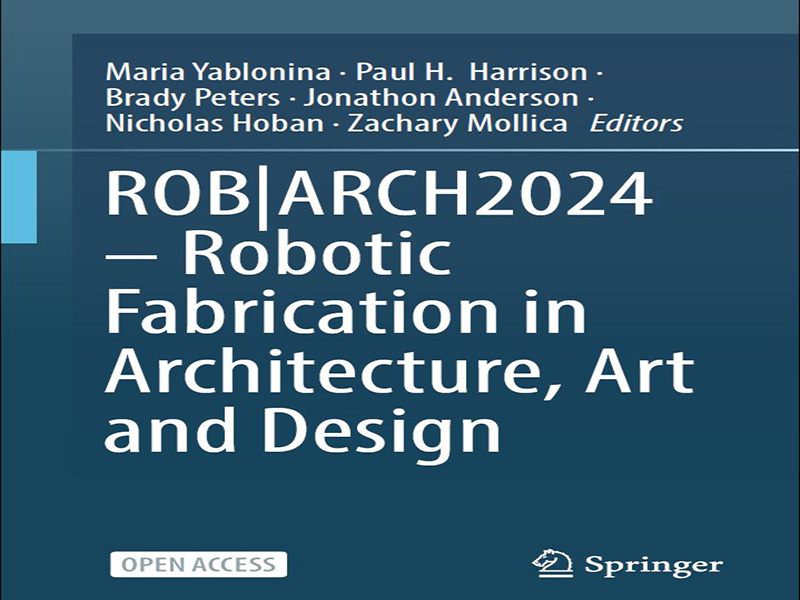
- عنوان کتاب: ROB ARCH2024 – Robotic Fabrication in Architecture, Art and Design
- نویسنده: Maria Yablonina, Paul H. Harrison
- حوزه: آموزش ساخت ربات
- سال انتشار: 2026
- تعداد صفحه: 394
- زبان اصلی: انگلیسی
- نوع فایل: pdf
- حجم فایل: 11.6 مگابایت
حضور رو به رشد رباتیک در هنر، تحقیق، طراحی و ساخت و ساز، شیوه تمرین و تفکر ما را از طریق ابزارهایمان تغییر داده است. از سال 2012، زمانی که اولین کنفرانس ROB|ARCH برگزار شد، نقش روباتیک در شیوههای خلاقانه و صنایع تولیدی رشد، تغییر و تکامل یافته است. رباتها دیگر یک نوآوری درخشان محدود به پیشنهادات تحقیقاتی خاص نیستند، اما اکنون یک ابزار فنی اساسی برای ارتباط بین دنیای دیجیتال و فیزیکی هستند. حتی درک ما از شکل ظاهری یک ربات نیز تکامل یافته است: گفتمان میان رشتهای که پیرامون ماشینهای ساخت دیجیتال و بازوهای صنعتی پدیدار شده است، اکنون شامل مورفولوژیها، مقیاسها و کاربردهای بیشماری ربات میشود – ماشینهای هوایی برای ساخت و ساز، گروههای رباتیک طراحیشده در عملکرد، رباتهای مقیاس میلیمتری برای کاربردهای پزشکی. از برخی جهات، ما شاهد رشد ماشینهایمان در کنار نظم و انضباط بودهایم. دیگر محدود به محیط های ساخت یافته آزمایشگاه های تحقیقاتی نیستند، آنها وارد دنیای واقعی شده اند و جای خود را در آن باز کرده اند. ROB|ARCH2024 با اذعان به شتاب این تغییرات در زمینههای اجتماعی، سیاسی و محیطی گستردهتر ما، از جامعه خود خواست تا با لنز انتقادی به این لحظه فکر کنند. کنفرانس ROB|ARCH2024 توسط دو موسسه میزبان ارائه شد: دانشکده معماری، منظر و طراحی دانیلز در دانشگاه تورنتو، و مدرسه خلاق در دانشگاه متروپولیتن تورنتو. برنامه کنفرانس شامل 8 کارگاه آموزشی و 25 ارائه مقاله بود. ما مفتخریم که سخنرانی های کلیدی برایان رینگلی، سوگون چونگ و یوسوکه اوبوچی را در برنامه برنامه خود قرار دهیم. موضوع کنفرانس، فراتر از بهینه سازی، به عنوان یک تحریک در نظر گرفته شده بود: برای تأمل در تغییرات تأثیرگذار بر حوزه رباتیک در هنر، طراحی و معماری – و پاسخ دادن، با تغییر اولویت ها و بررسی معیارهایی که تحقیقات خود را بر اساس آن ارزیابی می کنیم. هدف ما گنجاندن طیف وسیعی از بازیگران، صداها، رشتهها و زمینهها بود. پس فراتر از بهینه سازی، متضمن چندین رویکرد و سؤالات متناظر بود. هر عملی که شامل رباتیک می شود، حوزه های متعددی از دانش و گفتمان را درگیر می کند، که نیازمند توانایی شهودی برای مدیریت پارامترهای وابسته به هم است. از آنجایی که این شیوههای دانشسازی بیشتر توسط هوشهای دیگر کدگذاری و تقویت میشوند، ROB|ARCH2024 بر وابستگی متقابل منعکس میشود: هم بین پارامترهایی که کار ما را تعریف میکنند و هم در روابط جدیدی که باید ایجاد کنیم.
The growing presence of robotics in art, research, design, and construction has changed the way we practice and think through our tools. Since 2012, when the first ROB|ARCH conference was held, the role of robotics in creative practices and manufacturing industries has grown, shifted, and evolved. Robots are no longer a shiny novelty restricted to niche research proposals but are now a fundamental technical tool for interfacing between digital and physical worlds. Even our understanding of what a robot can look like has evolved: the interdisciplinary discourse that has emerged around digital fabrication machines and industrial arms now includes myriad robot morphologies, scales, and applications—think aerial machines for construction, choreographed robotic swarms in performance, millimetre-scale robots for medical applications. In some ways, we have witnessed our machines grow up along with the discipline; no longer restricted to the structured environments of research labs, they have entered the real world and taken their place within it. Acknowledging the momentum of these shifts within our broader social, political, and environmental contexts, ROB|ARCH2024 urged its community to reflect on this moment with a critical lens. The ROB|ARCH2024 conference was presented by two host institutions: the Daniels Faculty of Architecture, Landscape, and Design at the University of Toronto, and the Creative School at Toronto Metropolitan University. The conference program included 8 workshops and 25 paper presentations. We were honoured to include keynote lectures by Brian Ringley, Sougwen Chung, and Yusuke Obuchi in our program schedule. The conference theme, Beyond Optimization, was intended as a provocation: to reflect on the changes affecting the field of robotics in art, design, and architecture— and to respond, by shifting priorities and examining the criteria by which we evaluate our research. We aimed towards inclusion of a broad range of actors, voices, disciplines, and contexts. Beyond Optimization, then, implied a plurality of approaches and corresponding questions. Any practice involving robotics engages multiple realms of knowledge and discourse, requiring an intuitive ability to manage interdependent parameters. As these knowledge-making practices are further encoded and augmented by other intelligences, ROB|ARCH2024 reflected on interdependence: both between the parameters that define our work and in the new relationships we must build.
این کتاب را میتوانید از لینک زیر بصورت رایگان دانلود کنید:
Download: ROB ARCH2024



















نظرات کاربران