



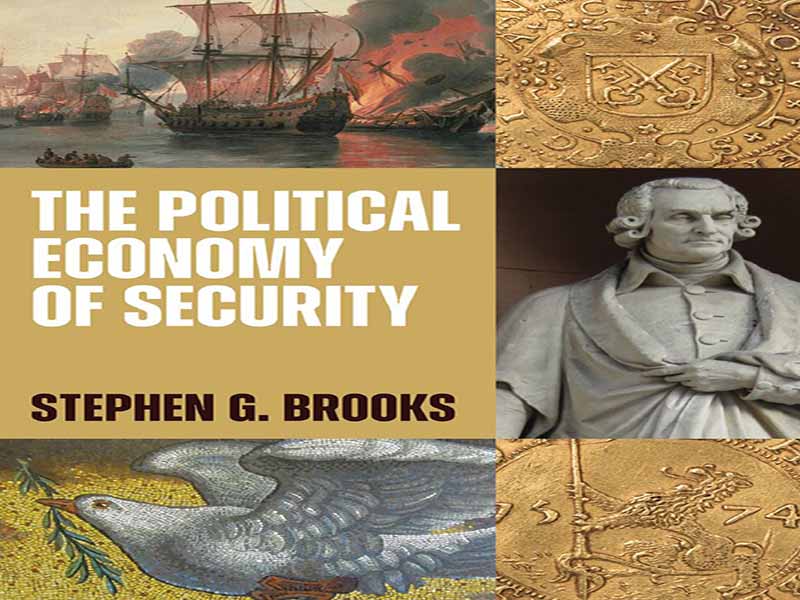
- عنوان کتاب: The Political Economy of Security
- نویسنده: Stephen G. Brooks
- حوزه: اقتصاد سیاسی
- سال انتشار: 2026
- تعداد صفحه: 263
- زبان اصلی: انگلیسی
- نوع فایل: pdf
- حجم فایل: 6.50 مگابایت
عنوان این کتاب برگرفته از عنوان کتاب «اقتصاد سیاسی روابط بینالملل» نوشته رابرت گیلپین است که در سال ۱۹۸۷ منتشر شد. این اشاره به کتاب گیلپین عمدی است. کتاب گیلپین تأثیر زیادی بر تفکر من به عنوان یک دانشجوی کارشناسی گذاشت و به من در الهام بخشیدن به تمایلم برای تحصیل در مقطع کارشناسی ارشد به منظور کسب اطلاعات بیشتر در مورد سازوکار اقتصاد جهانی کمک کرد. اگرچه من این کتاب را تحسین میکردم و از آن چیزهای زیادی آموختم، اما آن را ناامیدکننده یافتم زیرا در مورد چگونگی تأثیر عوامل اقتصادی بر امور امنیتی، حرف زیادی برای گفتن نداشت. هنگامی که در سال ۱۹۹۴ برای دریافت دکترای خود به دانشگاه ییل رفتم، گمان میکردم که یکی از اساتیدم در آنجا مرا به کتاب متفاوتی راهنمایی خواهد کرد که درک کلی از تعامل اقتصاد و امنیت ارائه دهد. کمی پس از شروع تحصیلات دکترا، متوجه شدم که در واقع هیچ کتابی وجود ندارد که به طور سیستماتیک مبانی نظری و تجربی مربوط به چگونگی تأثیر عوامل اقتصادی بر امور امنیتی را ترسیم کند. ما هنوز هم چنین کتابی نداریم. هدف من در اینجا پر کردن این شکاف است. در دوران تحصیلات تکمیلی، متوجه شدم که بسیاری از عناصر کلیدی تعامل اقتصاد و امنیت یا در ادبیات موضوع ارائه نشدهاند یا به طور رضایتبخشی بررسی نشدهاند. دلیل اصلی این امر این است که حوزه روابط بینالملل (IR) به طور مصنوعی به دو زیرشاخه تقسیم شده است: اقتصاد سیاسی بینالملل (IPE) و مطالعات امنیتی. من به سرعت متوجه شدم که اگرچه سوالات مهم و جالب متعددی در تقاطع این دو زیرشاخه قرار دارد، تقریباً همه محققان منحصراً در یکی از آنها تخصص دارند. در واقع، متوجه شدم که برای بسیاری از محققان، «سیاست سطح پایین» اقتصاد و «سیاست سطح بالا» امور امنیتی اساساً در حوزههای متفاوتی عمل میکنند. نکته قابل توجه این است که حتی بسیاری از تحلیلگران مانند گیلپین که به وضوح علاقه عمیقی به مسائل امنیتی و عوامل اقتصادی داشتند، این دیدگاه را داشتند. گیلپین در کتاب خود در سال ۱۹۸۷، با این ادعای صریح که «روابط اقتصادی به خودی خود برای ایجاد روابط بینالمللی همکاریجویانه یا ستیزهجویانه حیاتی نیستند… ماهیت روابط بینالملل و مسئله صلح یا جنگ در درجه اول توسط پیکربندیهای بزرگتر قدرت و منافع استراتژیک در میان قدرتهای بزرگ و کوچک در سیستم تعیین میشود»، به شدت لزوم بررسی دقیق چگونگی شکلگیری امور امنیتی توسط اقتصاد جهانی را نادیده گرفت. اینکه آیا برخورد با اقتصاد و امنیت به عنوان قلمروهای جداگانه هرگز مناسب بوده است، قابل بحث است؛ مطمئناً انجام این کار امروزه منطقی نیست. برای درک امور امنیتی در دنیای امروز، درک تأثیر عوامل اقتصادی کاملاً حیاتی است. هدف این کتاب ارائه یک تصویر نظری و اقتصادی سیستماتیک از چگونگی تأثیر عوامل اقتصادی بر امور امنیتی در دنیای امروز است. تاکنون، این مقدمه مانند مقدمه یک کتاب درسی به نظر میرسد. اگرچه این کتاب میتواند این نقش را در دورهها ایفا کند، اما کتاب درسی نیست. یک کتاب درسی فقط برای دانشجویان است: خلاصهای از تحقیقات موجود در یک حوزه موضوعی را ارائه میدهد و دانشجویان را با آن آشنا میکند. از همان ابتدا، هدف من نوشتن کتابی دو منظوره بود – کتابی که دانشجویان بتوانند از آن بیاموزند و همچنین برای محققان جدید و آموزنده باشد. درک تجربی فعلی ما از تعامل اقتصاد-امنیت ناکافی است. بخش اول این کتاب شانزده مسیر اصلی را که عوامل اقتصادی میتوانند از طریق آنها مستقیماً بر امور امنیتی تأثیر بگذارند، مشخص میکند و بررسی تجربی همه آنها را ارائه میدهد. برای تعدادی از این مسیرها به کار تجربی جدید نیاز بود، در حالی که ادبیات موجود برای سایر مسیرها باید با دقت بیشتری ترکیب میشد. ادبیات نظری فعلی که به تعامل اقتصاد-امنیت مربوط میشود نیز ناکافی است. همانطور که فصل 1 توضیح میدهد، مجموعهای از سؤالات مفهومی اصلی در مورد این رابطه وجود دارد که چشمانداز نظری فعلی طیف کافی از پاسخها را برای آنها ارائه نمیدهد. برای کارهای آینده که به دنبال توسعه درکهای جدید از تعامل اقتصاد-امنیت هستند، به یک پایه نظری قویتر نیاز است. این هدف بخش دوم این کتاب است. اگرچه این کتاب زمینههای زیادی را پوشش میدهد، اما جامع نیست. با وجود اینکه بسیاری از عناصر مهم تعامل اقتصاد-امنیت نادیده گرفته شدهاند، این موضوع قابل توجهی است و در واقع مطالب بسیار زیادی در مورد آن نوشته شده است. بحث در مورد «هر آنچه» که تاکنون در این زمینه نوشته شده است، به چندین جلد کتاب نیاز دارد. علاوه بر این، بررسی آثار موجود به سختی کافی خواهد بود، زیرا به نظریهپردازیها و کارهای تجربی جدید زیادی نیاز است. همانطور که در فصل ۱ مشخص شده است، من از آدام اسمیت – بنیانگذار رشته اقتصاد سیاسی – به عنوان «راهنما» برای کمک به محدود کردن موضوع این کتاب به یک حجم قابل مدیریت استفاده میکنم.
THE TITLE of this book is a variation on the title of Robert Gilpin’s 1987 book The Political Economy of International Relations. This allusion to Gilpin’s book is intentional. Gilpin’s book greatly influenced my thinking as an undergraduate and helped inspire my desire to attend graduate school in order to learn more about the workings of the global economy. Although I admired the book and learned greatly from it, I found it disappointing because it had so little to say about how economic factors influenced security affairs. As I headed off to get my PhD at Yale University in 1994, I presumed that one of my professors there would direct me to a different book that would provide an overall understanding of the economics-security interaction. Soon after starting my PhD studies, I learned that there was, in fact, no book that sought to systematically delineate the theoretical and empirical fundamentals concerning how economic factors influence security affairs. We still lack such a book today. My aim here is to fill this gap. In graduate school, I learned that many key elements of the economicssecurity interaction were either not represented or were unsatisfactorily examined in the literature. A key reason why is that the field of international relations (IR) was artificially divided into two subfields: international political economy (IPE) and security studies. I quickly discovered that although numerous important and interesting questions lay at the intersection of these two subfields, almost all scholars specialized exclusively in one or the other. Indeed, I learned that for many scholars, the “low politics” of economics and the “high politics” of security affairs were seen as essentially operating in different realms. Significantly, even many analysts such as Gilpin who clearly had a deep interest in both security issues and economic factors shared this view. In his 1987 book, Gilpin brusquely swept aside the need to carefully investigate how the global economy shaped security affairs with his blunt assertion that “economic relations are not in themselves critical to the establishment of either cooperative or conflictual international relations. … The character of international relations and the question of peace or war are determined primarily by the larger configurations of power and strategic interest among both the great and small powers in the system.” Whether it was ever appropriate to treat economics and security as separate realms is debatable; it is certainly not reasonable to do this today. To understand security affairs in today’s world, it is absolutely vital to understand the influence of economic factors. The purpose of this book is to provide a systematic theoretical and economic portrait of how economic factors influence security affairs in today’s world. So far, this preface reads like the introduction to a textbook. Although this book could serve this function in courses, this book is not a textbook. A textbook is for students only: it summarizes and introduces students to existing scholarship in a subject area. From the start, my aim was to write a dual-purpose book—one that students could learn from and that would also be new and enlightening for scholars. Our current empirical understanding of the economics-security interaction is inadequate. The first part of this book delineates sixteen core pathways by which economic factors can directly influence security affairs and provides an empirical examination of all of them. New empirical work was needed for a number of these pathways, while the existing literature for the others needed to be more carefully synthesized. The current theoretical literature that bears on the economics-security interaction is also insufficient. As Chapter 1 explains, there is a set of core conceptual questions concerning this relationship for which the current theoretical landscape does not provide a sufficient range of answers. A stronger theoretical foundation is needed for future work that seeks to develop novel understandings of the economics-security interaction; this is the purpose of the second part of this book. Although the book covers a lot of ground, it is not comprehensive. Notwithstanding that many important elements of the economics-security interaction have been neglected, it is a substantial topic and a very large amount has indeed been written on it. To discuss “everything” of relevance that has ever been written on this topic would require many volumes. Moreover, reviewing existing work would hardly be enough, since so much new theorizing and empirical work is needed. As Chapter 1 delineates, I use Adam Smith—the founder of the field of political economy—as a “guide” to help bound the subject matter of this book into a manageable size.
این کتاب را میتوانید از لینک زیر بصورت رایگان دانلود کنید:
Download: The Political Economy of Security
















نظرات کاربران