



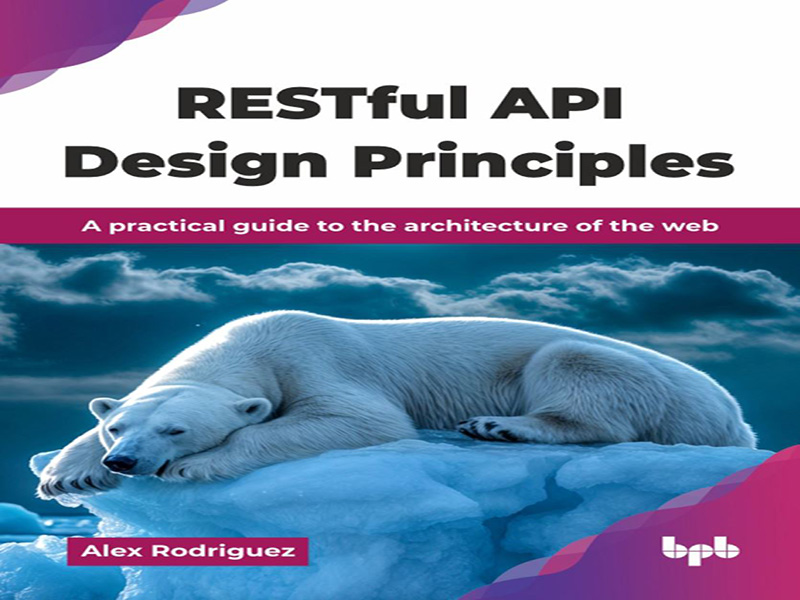
- عنوان کتاب: RESTful API Design Principles -A practical guide to the architecture of the web
- نویسنده: Alex Rodriguez
- حوزه: طراحی API
- سال انتشار: 2026
- تعداد صفحه: 198
- زبان اصلی: انگلیسی
- نوع فایل: pdf
- حجم فایل: 3.14 مگابایت
از آنجایی که شبکه وسیعی از دستگاههای متصل به هم در وب، زمینه را برای آینده شناخت انسان فراهم میکنند، APIهای RESTful بیسروصدا در پشت صحنه عمل میکنند. انتقال حالت بازنمایی (REST) سبک معماری وب را برای تولید سیستمهای توزیعشده و با اتصال سست که این شبکه را فعال و گسترش میدهند، تعریف میکند. تفکر انسان (فعالیت شناختی) به طور فزایندهای خود را به شبکهای از دستگاهها و دادهها در وب برونسپاری کرده است. شناخت ما دیگر آن چیزی نیست که در محدوده ذهن خودمان اتفاق میافتد، بلکه به مجموعهای تعاملی از فرآیندها بین ذهنها و سیستمهای دیجیتال گسترش مییابد. شبکهای از دستگاههای متصل به هم (سرورها، پایگاههای داده، حسگرها، دستگاههای تلفن همراه شخصی، نقاط پایانی API) اکنون بخش قابل توجهی از دانش و محاسبات انسانی را در اختیار دارد. این روزها وقتی به چیزی فکر میکنیم، دیگر کاملاً به افکار خودمان متکی نیستیم. ما از خدمات (گوگل، APIها، شبکههای اجتماعی، چتباتها) استفاده میکنیم. به این ترتیب، آنها شناخت ما را تقویت میکنند. ما از طریق آنها و با آنها فکر میکنیم. آینده شناخت در مورد توانایی گسترش هوش ما است: دسترسی، فیلتر کردن، ترکیب، ترکیب و ساخت بر اساس خدمات موجود از طریق وب. درک نحوه ایجاد رابط کاربری به یک مهارت حیاتی تبدیل میشود. اگر وب مغز آینده هوش جمعی انسانی باشد، یا به بخشی از آن تبدیل شود، APIها مسیرها و پروتکلهای اساسی هستند که به بخشهای مختلف این مغز اجازه تعامل میدهند. آنها قراردادهای بیسروصدای فعالی هستند که باعث میشوند یک سیستم غیرمتمرکز کار کند. بدون APIهای سازگار و قابل اعتمادی که از اصول RESTful پیروی میکنند، این مغز جهانی در معرض خطر تبدیل شدن به مجموعهای از قطعات ناسازگار و تکهتکه شده قرار دارد. طراحی APIها فقط یک کار روتین نیست که شما برای یک پروژه در محل کار انجام میدهید. این APIها آینده دیجیتال جمعی ما را گسترش میدهند. APIهای ضعیف طراحی شده، اصطکاک ایجاد میکنند و جریان شناختی این شبکه را میشکنند. از آنجایی که یک وب یکپارچه از گرهها به زیرساختی تبدیل میشود که از طریق آن بشریت، تا هر درجهای، استدلال و عمل میکند، طراحی رابطهایی که به این سیستم اجازه عملکرد میدهند (REST APIها) اهمیت زیادی دارد. به همین دلیل است که ما طراحی API را به عنوان یک رشته حیاتی برای شکلدهی به پایه و اساس هوش افزوده و توسعهیافته خود در نظر میگیریم. فصل 1: نقاط شکست – این فصل با شروع از مفاهیم اولیه در CGI، زمانی که سرور وب برای تولید صفحات وب پویا گسترش یافت، تغییرات فنی را در یک دوره 30 ساله ردیابی میکند. آشکار میکند که چرا REST به عنوان یک معماری منبعگرا، RMI، EJB و SOAP را تحت الشعاع قرار داد و جذابیت گسترده آن توسط درسهای آموخته شده پشتیبانی میشود. اگر به تاریخ فناوری علاقهمند هستید، این فصل داستانی را روایت میکند. در غیر این صورت، از آن صرف نظر کنید و مستقیماً به یادگیری الگوهای طراحی در فصلهای بعدی بپردازید. فصل 2: شناسایی منابع – اصل آدرسپذیری را از طریق یک رشته ساده از کاراکترها در یک URI بررسی میکند. این فصل فراتر از نحو به مفاهیم عمیقتر نامگذاری میپردازد و URIها را به عنوان یک سطح پایدار و دستوری در نظر میگیرد که بر روی آن میتوان تعاملات کلاینت را ایجاد کرد. این فصل شما را در ساخت فضاهای نام قابل پیشبینی راهنمایی میکند. و الگوهای نسخهبندی عمدی را مورد بحث قرار میدهد. این الگوها سطح API را از مجموعهای مبهم از نقاط پایانی به یک نقشه منسجم از دامنه شما تبدیل میکنند. آنها کلاینت را از سرور جدا میکنند تا هر کدام به طور مستقل تکامل یابند. فصل 3: دستکاری منابع – نقشی را که روشهای اصلی HTTP مورد استفاده در APIهای REST ایفا میکنند، تعریف میکند. در پایان فصل، خوانندگان باید دانش کاملی از هدف و رفتار یک روش و همچنین نحوه پیادهسازی موفقیتآمیز هر یک در طراحی API دنیای واقعی داشته باشند. مفاهیم کلیدی، از جمله خودتوانی، ذخیرهسازی و حل تعارض را در نظر میگیرد. آنچه باید انجام شود به همان اندازه آنچه نباید انجام شود مهم است، بنابراین این فصل داستانهای هشدار دهندهای را برای خواننده ارائه میدهد. فصل 4: نمایش منابع – ما توجه خود را به تبادل کلاینت و سرور محتوا معطوف میکنیم: نمایش منابع. این فصل ساختار خروجی API را تجزیه و تحلیل میکند و فراتر از تحویل صرف دادهها میرود. فصل 4 یک چارچوب زبانی است. از طریق یک لنز دوگانه از اصطلاحات توصیفی و ارزیابی، بین الگوهایی که به منابع قدرت بیان میدهند و ضد الگوهای فلجکنندهای که منجر به ادغامهای انعطافناپذیر میشوند، تمایز قائل میشویم. این فصل چارچوبی را برای شکل دادن به دادههای خام به یک نمایش منسجم پیشنهاد میکند و آن را در امتداد یک مقیاس متغیر کیفیت حرکت میدهد. فصل 5: مدیریت وضعیت منابع – HATEOAS را بررسی میکند. در مورد کنترلهای ابررسانهای که به کلاینتها کمک میکنند تا انتقال وضعیت انجام دهند، استدلال میکند. این فصل خوانندگان را با رویکردی برای جدا کردن کلاینتها از سرور مجهز میکند. این فصل، دلیلی برای طراحی API که با تغییرات سازگار میشود، ارائه میدهد. رویکردی که در این فصل بررسی شده است، سیستمهای خودراهنما تولید میکند که پاسخهای استاتیک API را به انتقال حالتهای مبتنی بر ابررسانه تبدیل میکنند. فصل 6: امنیت API – اصول اولیه امنیت API را بررسی میکند. خوانندگان با اصول احراز هویت، نحوه کار توکنهای امنیتی برای شناسایی و ردیابی کاربران آشنا میشوند. رمزگذاری را برای محافظت از دادههای در حال انتقال بررسی میکند. با بررسی صادقانه امنیت API به پایان میرسد.
As a vast network of interconnected devices on the web sets the stage for the future of human cognition, RESTful APIs operate quietly behind the scenes. Representational State Transfer (REST) defines the architectural style of the web to produce distributed, loosely coupled systems that enable and extend this network. Human thought (cognitive activity) has increasingly outsourced itself to a network of devices and data on the web. Our cognition is no longer what happens in the confines of our own minds, but extends into an interactive series of processes between minds and digital systems. A network of interconnected devices (servers, databases, sensors, personal mobile devices, API endpoints) now holds a significant portion of human knowledge and compute. When we think about anything these days, we no longer rely entirely on our own thoughts. We tap into services (Google, APIs, social networks, chatbots). As such, they augment our cognition. We think through and with them. The future of cognition is about the ability to extend our intelligence: to access, filter, synthesize, combine, and build on the services available through the web. Understanding how to interface becomes a critical skill. If the web is the future brain of a collective human intelligence, or becomes any part of it, then APIs are the fundamental pathways and protocols that allow different parts of this brain to interact. They are the quietly operating contracts that make a decentralized system work. Without consistent, reliable APIs that follow RESTful principles, this global brain runs the risk of becoming a segmented jumble of incompatible parts. Designing APIs is not just a routine task you do for a project at work. It extends our collective digital future. Poorly designed APIs create friction and break the cognitive flow of this network. As an integrated web of nodes becomes infrastructure through which humanity reasons and acts, to any degree, the design of the interfaces that allow this system to function (REST APIs) matters a great deal. This is why we think of API design as a critical discipline for shaping the foundation of our augmented, extended intelligence. Chapter 1: Breaking Points – Starting with the basic concepts in CGI, when the web server was extended to generate dynamic web pages, this chapter traces technical shifts over a 30-year period. Reveals why REST dwarfed RMI, EJB, and SOAP, as a resource-oriented architecture, its wide appeal supported by the lessons learned. If you’re interested in the history of technology, then this chapter tells a story. Otherwise, skip ahead and get straight into learning design patterns in the next chapters. Chapter 2: Resource Identification – Examines the principle of addressability through a simple string of characters in a URI. The chapter moves beyond syntax to the deeper implications of naming, treating URIs as a stable, grammatical surface upon which to build client interactions. This chapter guides you in crafting predictable namespaces. And it discusses deliberate versioning patterns. These patterns transform the API surface from a vague collection of endpoints into a coherent map of your domain. They decouple client from server for each to evolve independently. Chapter 3: Resource Manipulation – Defines the role played by the core HTTP methods used in REST APIs. By the end of the chapter, readers should have a thorough knowledge of a method’s purpose and behavior, as well as how to implement each successfully in real-world API design. Considers key concepts, including idempotence, caching, and conflict resolution. What to do is equally important as what not to do, so the chapter offers cautionary tales for the reader. Chapter 4: Resource Representation – We turn our attention to the substance client and server exchange: the resource representation. The chapter analyzes the structure of API output, moving beyond mere data delivery. Chapter 4 is a linguistic framing. Through a dual lens of descriptive and evaluative terminology, we distinguish between patterns that give resources their expressive power from the crippling anti-patterns that lead to inflexible integrations. This chapter suggests a framework to shape raw data into a cohesive representation, moving it along a sliding scale of quality. Chapter 5: Resource State Management – Explores HATEOAS. Argues for hypermedia controls that help clients make state transitions. The chapter equips readers with an approach to decouple clients from the server. It makes a case for API design that adapts to change. The approach explored by the chapter produces self-guiding systems that transform static API responses into hypermedia-driven state transitions. Chapter 6: API Security – Surveys the basic principles of API security. Readers become familiar with the basics of authentication, how security tokens work to identify and track users. Examines encryption to protect data in transit. Concludes with an honest examination of API security’s fundamental flaws, helping readers evaluate interoperability design strengths as potential security weaknesses. Chapter 7: Performance and Scale – Scalability and performance define release criteria for production ready REST APIs. Dissects the Gzip compression algorithm. Explains why it reduces payload size. Considers the CPU trade-offs in compression. Compares horizontal to vertical scaling. Helps to decide if more servers or upgrading the resources on existing ones is the way to go. Readers learn about microservices and monolithic architecture, to measure the impact on long term growth. Chapter 8: Further Reading – A journey through RESTful design does not end with the ideas in this book. This chapter serves as an extension through a carefully curated selection of books for further reading. It suggests related work that influences the preceding chapters and expands into specialized areas of REST that readers may take an interest in pursuing. For practitioners in search of specific, practical advice, or historians tracing technology, the sources cited here invite you to look beyond the page to a much broader body of work.
این کتاب را میتوانید از لینک زیر بصورت رایگان دانلود کنید:
Download: RESTful API Design Principles















نظرات کاربران