



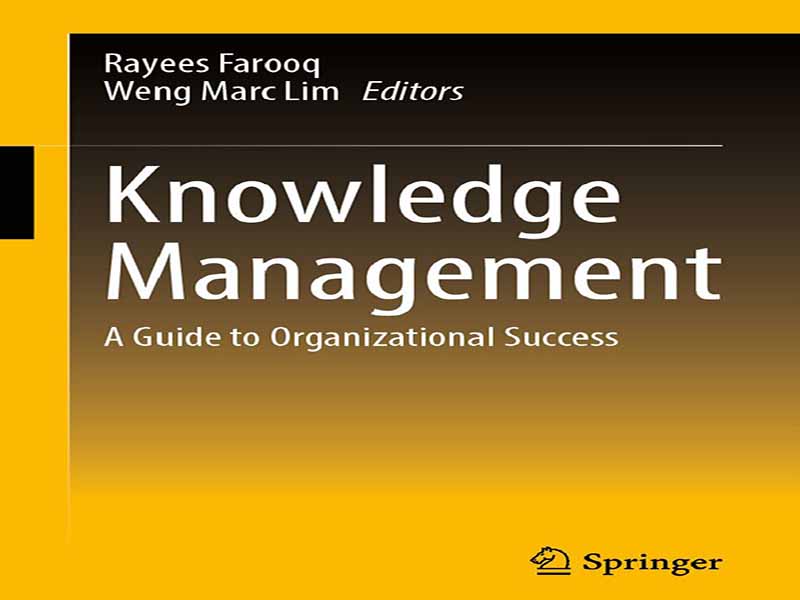
- عنوان کتاب: Knowledge Management -A Guide to Organizational Success
- نویسنده: Rayees Farooq Weng Marc Lim
- حوزه: مدیریت دانش
- سال انتشار: 2026
- تعداد صفحه: 277
- زبان اصلی: انگلیسی
- نوع فایل: pdf
- حجم فایل: 5.18 مگابایت
دانش از یک دارایی پشتیبان به یک قابلیت استراتژیک تبدیل شده است و موفقیت سازمانی به این بستگی دارد که تجربه توزیع شده چقدر سریع و مؤثر به اقدام هماهنگ تبدیل شود. مدیریت دانش: راهنمای موفقیت سازمانی، مدیریت دانش (KM) را نه تنها به عنوان ابزاری برای کنترل اسناد، بلکه به عنوان سیستمی برای هدایت عملکرد تحت محدودیتهای دنیای واقعی قرار میدهد. انگیزه این کتاب از ضرورت و اهمیت مدیریت دانش ناشی میشود: عدم مدیریت دانش منجر به خطاهای قابل اجتناب، تلاش مضاعف، پاسخ کندتر و نوآوری متوقف شده میشود. در مقابل، مدیریت دانش منظم، یادگیری را تقویت میکند، زمان چرخه را کوتاه میکند و مزیت رقابتی را در محیطهایی که با تسریع اتوماسیون، تعمیق دیجیتالی شدن، افزایش بیش از حد ارتباطات، تشدید تعهدات، جهانی شدن رو به رشد و گسترش الزامات پایداری (ADHOGS) در دنیای آشفته، ناپایدار، نامشخص، پیچیده و مبهم (DVUCA) مشخص میشوند، حفظ میکند. این کتاب به گونهای سازماندهی شده است که به جای ارائه مجموعهای از موضوعات نامرتبط، قابلیت مدیریت دانش را گام به گام ایجاد کند. فصل 1، منشأ مدیریت دانش، مبانی تاریخی و نظری را ایجاد میکند و تغییر از مدیریت اطلاعات به مدیریت استراتژیک را نشان میدهد. فصل ۲، پرورش فرهنگ دانش، معماری اجتماعی را که امکان گردآوری و تبادل دانش را فراهم میکند، بررسی میکند. این فصل تأکید میکند که ابزارها به تنهایی دانش را منتقل نمیکنند؛ ارزشها، فرضیات، برداشتها و هنجارها تعیین میکنند که آیا افراد به طور فعال در یک فرهنگ دانشمحور مشارکت دارند یا خیر. اجرای عملی مدیریت دانش در ادامه آمده است. فصل ۳، رهبری دانشمحور، مدیریت را به روالهای عملی برای رهبران تبدیل میکند و نشان میدهد که چگونه حمایت مالی، الگوسازی نقش و تخصیص منابع، شرایطی را برای دانش پایین ایجاد میکنند. فصل ۴، اخلاق و مدیریت در مدیریت دانش، چارچوبهایی را ارائه میدهد که تضمین میکند سرعت ایجاد و اشتراک دانش از قضاوت مدیریتی فراتر نرود. این فصل به حفاظت از دادهها، حریم خصوصی، اطلاعات نادرست و شفافیت میپردازد و مدیریت را به عنوان یک عامل توانمندساز و نه یک محدودیت ارائه میدهد. فصل ۵، استفاده از شبکههای اجتماعی برای تبادل دانش در عصر فناوریهای نوظهور، بحث را به پلتفرمها و شبکهها گسترش میدهد و نشان میدهد که چگونه پاسخگویی، عمل متقابل و اعتماد با فناوریهای هوش مصنوعی، ابری و موبایل تلاقی میکنند تا مشارکت در مدیریت دانش را گسترش دهند و در عین حال نظارت را حفظ کنند. فصل ۶، مدیریت دانش در محیطهای کاری مجازی، مدیریت دانش را در زمینههای کاری توزیعشده و مبتنی بر مشاغل کوچک قرار میدهد. این فصل بر ثبت دانش ضمنی، مدیریت دادههای اخلاقی و قانونی و ادغام استعدادها در جوامع عملی تأکید دارد. فصلهای بعدی، سیستمهای مدیریت دانش را تحت فشار آزمایش و اصلاح میکنند. فصل ۷، مدیریت دانش در بحران و تغییر، به بررسی چگونگی عملکرد ایجاد، ذخیرهسازی، اشتراکگذاری و کاربرد دانش در طول اختلال، از جمله آزمایشهای اکتشافی در هوش مصنوعی بیومیمتیک، محاسبات نورومورفیک و رویکردهای الهام گرفته از کوانتومی، میپردازد. فصل ۸، غلبه بر چالشها در اشتراکگذاری دانش، پنجاه مانع را در ابعاد فرهنگی، فردی، سازمانی و فناوری شناسایی میکند و هر یک را با استراتژیهای برگرفته از فصلهای قبلی برای پشتیبانی از تشخیص سریع، مداخله و یادگیری جفت میکند. در نهایت، فصل ۹، معیارها و اندازهگیری در مدیریت دانش، مزایای مدیریت دانش را ملموس میکند. این فصل شاخصهایی را برای ایجاد، ذخیرهسازی، اشتراکگذاری و کاربرد دانش در سطوح خرد، میانه و کلان ارائه میدهد و به جای تصمیمگیریهای صرفاً مبتنی بر شهود، امکان حکمرانی مبتنی بر شواهد را فراهم میکند. این کتاب با هدف کاربردی و علمی بودن، برای دانشگاهیان، مدیران، سیاستگذاران و دانشجویانی که به دنبال ابزارهایی برای پیوند نظریه با اجرای عملی هستند، ارزشمند است. از نویسندگان همکار به خاطر شفافیت و دقتشان، از Springer Nature برای حمایتشان و از مؤسسات ما برای تشویقشان صمیمانه تشکر میکنیم. امیدواریم فصلهای بعدی به خوانندگان در طراحی سازمانهایی کمک کند که آگاهانه یاد میگیرند، به سرعت در شرایط متغیر بهبود مییابند و از طریق مدیریت منظم دانشی که افرادشان از قبل دارند، مزیت مرکب ایجاد میکنند.
Knowledge has evolved from a supporting asset to a strategic capability, with organisational success hinging on how quickly and effectively distributed experience is converted into coordinated action. Knowledge Management: A Guide to Organisational Success positions knowledge management (KM) not merely as a tool for document control, but also as a system for driving performance under real-world constraints. The motivation for this book stems from the urgency and importance of KM: failure to manage knowledge leads to avoidable errors, duplicated effort, slower response, and stalled innovation. In contrast, disciplined KM amplifies learning, shortens cycle times, and sustains competitive advantage in environments characterised by accelerating automation, deepening digitalisation, heightened hyperconnectivity, intensifying obligations, growing globalisation, and expanding sustainability imperatives (ADHOGS) within a disruptive, volatile, uncertain, complex, and ambiguous (DVUCA) world. This book is organised to build KM capability step by step rather than presenting a disconnected set of topics. Chapter 1, The Origin of Knowledge Management, establishes the historical and theoretical foundations, illustrating the shift from information handling to strategic management. Chapter 2, Cultivating a Knowledge Culture, explores the social architecture that enables knowledge curation and exchange. It emphasises that tools alone do not move knowledge; values, assumptions, perceptions, and norms determine whether individuals actively contribute to a knowledge-driven culture. The practical execution of KM follows. Chapter 3, Knowledge- Oriented Leadership, translates governance into actionable routines for leaders, highlighting how sponsorship, role modelling, and resource allocation create conditions for knowledge _low. Chapter 4, Ethics and Governance in Knowledge Management, provides the frameworks that ensure the speed of knowledge creation and sharing does not exceed managerial judgement. It addresses data protection, privacy, misinformation, and transparency, presenting governance as an enabler rather than a constraint. Chapter 5, Leveraging Social Networks for Knowledge Exchange in the Era of Emerging Technologies, expands the discussion to platforms and networks, showing how accountability, reciprocity, and trust intersect with AI, cloud, and mobile technologies to broaden participation in KM while maintaining oversight. Chapter 6, Knowledge Management in Virtual Work Environments, situates KM in distributed and gig-based work contexts. It emphasises capturing tacit knowledge, managing ethical and legal data _lows, and integrating talent into communities of practice. The next chapters test and refine KM systems under pressure. Chapter 7, Knowledge Management in Crisis and Change, examines how knowledge creation, storage, sharing, and application perform during disruption, including exploratory pilots in biomimetic AI, neuromorphic computing, and quantum-inspired approaches. Chapter 8, Overcoming Challenges in Knowledge Sharing, identifies fifty barriers across cultural, individual, organisational, and technological dimensions, pairing each with strategies drawn from earlier chapters to support rapid diagnosis, intervention, and learning. Finally, Chapter 9, Metrics and Measurement in Knowledge Management, makes the benefits of KM tangible. It presents indicators for knowledge creation, storage, sharing, and application at micro, meso, and macro levels, enabling evidence-based governance rather than decisions based on intuition alone. The book aims to be both practical and scholarly, offering value to academics, executives, policymakers, and students seeking instruments that link theory to actionable execution. Sincere thanks are extended to the contributing authors for their clarity and rigour, to Springer Nature for support, and to our institutions for encouragement. We hope that the chapters that follow will help readers design organisations that learn deliberately, recover rapidly under changing conditions, and compound advantage through disciplined management of the knowledge their people already possess.
این کتاب را میتوانید از لینک زیر بصورت رایگان دانلود کنید:
Download: Knowledge Management
















نظرات کاربران