



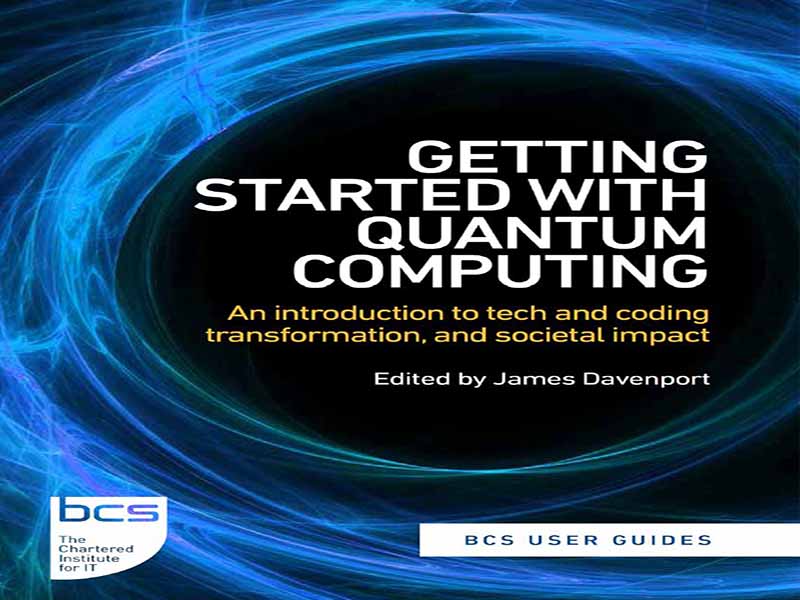
- عنوان کتاب: Getting Started with Quantum Computing -An introduction to tech and coding transformation, and societal impact
- نویسنده: James Davenport
- حوزه: محاسبات کوانتومی
- سال انتشار: 2026
- تعداد صفحه: 136
- زبان اصلی: انگلیسی
- نوع فایل: pdf
- حجم فایل: 5.14 مگابایت
محاسبات کوانتومی در حال حاضر در مرحله اولیه پذیرش است که مسلماً هوش مصنوعی مولد، آن فناوری مبهم دیگر، حدود پنج سال پیش در آن بود – درست قبل از اینکه ما شروع به خواندن در مورد آن کنیم و اولین سوالات ناقص خود را برای ChatGPT بسازیم. پاسخهای به دست آمده، اغلب حتی ناقصتر بودند! در این دوره، مدلهای زبان بزرگ (LLM) به صورت تصاعدی بهبود یافتهاند تا جایی که اکنون میتوانیم گفتگوی معناداری در مورد تقریباً هر موضوع مناسبی داشته باشیم و احساس کنیم که در واقع با یک همکار دوستانه، البته آگاه، صحبت میکنیم. البته، چنین انسانانگاری تا حد زیادی یک سراب است، LLM برداشتی آماری از اطلاعات موجود در خارج را ارائه میدهد، سپس آن را به شکلی زیبا گره میزند تا آن را “به طور قانعکنندهای” انسانی جلوه دهد. در حال حاضر، هیچ رابط کاربری بصری زیبایی برای “تازهکارها” وجود ندارد تا با محاسبات کوانتومی به شیوهای مشابه (شبه) مکالمهای درگیر شوند. با توجه به این نکته، هیچ راه میانبری برای یادگیری برخی اصطلاحات و مفاهیم اساسی فیزیک کوانتومی وجود ندارد تا به درک تفاوت یک بیت کوانتومی یا کیوبیت با یک رقم دودویی «متعارف» برسیم، یا بفهمیم که چگونه محاسبات کوانتومی، به قول صنعت آبجوسازی، به بخشهایی که دیگران نمیتوانند به آنها دسترسی پیدا کنند، دسترسی پیدا میکند. به همین دلیل است که من این کتاب را در کنار منابع دیگری مانند دوره کوتاه رایگان دانشگاه آزاد در مورد محاسبات کوانتومی یا رویدادهای گروه تخصصی محاسبات کوانتومی BCS، به هر کسی با پیشینه STEM که مایل به آشنایی با این فناوری نوپا است، توصیه میکنم.
Quantum computing is currently at the early adopter stage that arguably generative AI, that other enigmatic technology, was at some five years ago – just before we started reading about it and making our first fumbled prompts for ChatGPT. The answers obtained were, as often as not, even more fumbled! In the intervening period large language models (LLMs) have improved exponentially to the point that we can now have a meaningful dialogue on just about any appropriate topic and feel that we are actually speaking to a friendly, albeit well-informed, peer. Of course, such anthropomorphism is largely a mirage, the LLM providing a statistically driven harvest of information that already exists out there, then tying it in a pretty bow to make it sound ‘convincingly’ human. Right now, there is no beautifully intuitive interface for ‘newbies’ to engage with quantum computing in a similarly (pseudo-)conversational manner. With this in mind, there is no shortcut to the spadework of learning some basic terminology and concepts from quantum physics to get to the point of understanding how a quantum bit, or qubit, differs from a ‘conventional’ binary digit, or for understanding how quantum computing, to borrow a phrase from the brewing industry, reaches the parts others cannot reach. It is for this reason that I commend this book, alongside other resources such as from the Open University’s free short course on quantum computing or BCS Quantum Computing specialist group events, to anybody from a STEM background who wishes to inform themselves about this nascent technology.
این کتاب را میتوانید از لینک زیر بصورت رایگان دانلود کنید:
Download: Getting Started with Quantum Computing














نظرات کاربران