



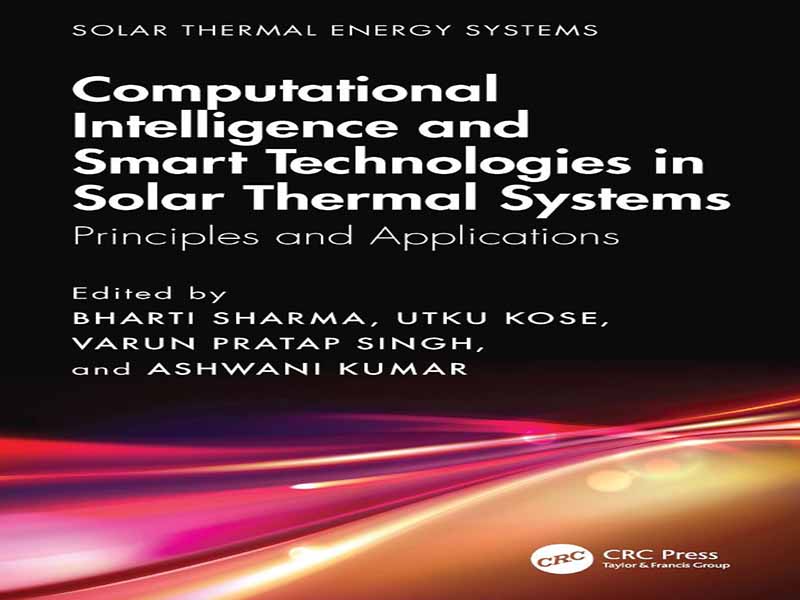
- عنوان کتاب: Computational Intelligence and Smart Technologies in Solar Thermal Systems Principles and Applications
- نویسنده: Bharti Sharma, Utku Kose
- حوزه: انرژی خورشیدی
- سال انتشار: 2026
- تعداد صفحه: 255
- زبان اصلی: انگلیسی
- نوع فایل: pdf
- حجم فایل: 8.40 مگابایت
در تلاش برای یافتن راهحلهای انرژی پایدار، سیستمهای حرارتی خورشیدی به عنوان یک فناوری کلیدی ظهور کردهاند که از انرژی خورشید برای تأمین گرمایش، سرمایش و برق در کاربردهای مختلف استفاده میکنند. با این حال، کارایی و بهینهسازی این سیستمها همچنان چالشهای همیشگی هستند و رویکردهای نوآورانهای را برای افزایش عملکرد و ادغام آنها در اکوسیستم انرژی گستردهتر ضروری میسازند. در همین زمینه است که کتاب «هوش محاسباتی و فناوریهای هوشمند در سیستمهای حرارتی خورشیدی: اصول و کاربردها» نوشته شده است. پیدایش این کتاب در شناخت پتانسیل تحولآفرین هوش مصنوعی (AI) و یادگیری ماشین (ML) در متحول کردن فناوریهای حرارتی خورشیدی نهفته است. با تکامل هوش محاسباتی، کاربرد آن در سیستمهای حرارتی خورشیدی فرصتهای بیسابقهای را برای بهینهسازی، نگهداری پیشبینیکننده و ادغام هوشمند با شبکههای انرژی جهانی ارائه میدهد. هدف این کتاب، پر کردن شکاف بین مبانی نظری پیچیده هوش مصنوعی و یادگیری ماشین و کاربردهای عملی آنها در بهبود سیستمهای انرژی حرارتی خورشیدی است. سفر ما در تدوین این اثر شامل تحقیقات گسترده، همکاری با متخصصان در زمینههای انرژی تجدیدپذیر، هوش مصنوعی و یادگیری ماشین و بررسی عمیق جنبههای فنی و عملی سیستمهای حرارتی خورشیدی بوده است. این کتاب طیف گستردهای از موضوعات را پوشش میدهد، از اصول اولیه انرژی حرارتی خورشیدی و هوش محاسباتی گرفته تا الگوریتمهای پیشرفته هوش مصنوعی و یادگیری ماشین که برای بهینهسازی و قابلیت اطمینان سیستم طراحی شدهاند، در ۱۴ فصل. فصلهای ۱ تا ۸ سنگ بنای کتاب را ارائه میدهند و ادغام هوش مصنوعی و یادگیری ماشین با سیستمهای انرژی حرارتی خورشیدی را به نمایش میگذارند. فصل ۱ حوزه رو به رشد فناوریهای هوشمند انرژی حرارتی خورشیدی را معرفی میکند. این کتاب کاربردهای متنوعی را از گرمایش و تولید برق گرفته تا فرآیندهای صنعتی بررسی میکند. این فصل بر ادغام هوش مصنوعی و اینترنت اشیا برای افزایش بهرهوری و قابلیت اطمینان تأکید دارد. جهتگیریهای آینده بر مواد پیشرفته، سیستمهای کنترل هوشمند و راهحلهای انرژی پایدار متمرکز هستند و پتانسیل تحولآفرین این فناوریها را برجسته میکنند. فصل ۲ نقش یادگیری ماشین را در خشککنهای خورشیدی گلخانهای بررسی میکند. این فصل بررسی میکند که چگونه یادگیری ماشین فرآیندهای خشک کردن را بهینه میکند و باعث افزایش بهرهوری و کیفیت محصول میشود. این فصل مدلهای مختلف یادگیری ماشین مورد استفاده برای پیشبینی سینتیک خشک کردن، دما و رطوبت را شرح میدهد و بینشهایی در مورد کاربردهای عملی و پتانسیل آنها برای پیشرفت فناوریهای خشک کردن پایدار ارائه میدهد. فصل ۳ بررسی میکند که چگونه دادههای حسگر، نظارت از راه دور و کنترل خودکار، راندمان خشک کردن و کیفیت محصول را افزایش میدهند. دادههای بلادرنگ در مورد دما، رطوبت و جریان هوا، تنظیمات دقیقی را امکانپذیر میسازد. این فصل پتانسیل اینترنت اشیا را برای بهینهسازی فرآیندهای خشک کردن خورشیدی، کاهش مصرف انرژی و تضمین محصولات خشک شده با کیفیت بالا و ثابت برجسته میکند. فصل ۴ به بررسی توسعه یک رابط مبتنی بر کامپیوتر برای نظارت آنلاین بر پارامترهای خشک کن خورشیدی میپردازد. این سیستم امکان جمعآوری و تجزیه و تحلیل دادهها در زمان واقعی را فراهم میکند که برای بهینهسازی فرآیندهای خشک کردن بسیار مهم است. این فصل اجزای سختافزاری و نرمافزاری را با تمرکز بر ادغام حسگرها و طراحی رابط کاربرپسند، به تفصیل شرح میدهد. هدف، افزایش کارایی و کنترل در برنامههای خشک کردن خورشیدی از طریق ردیابی دقیق و خودکار پارامترها است. فصل ۵ به بررسی پیشبینی انرژی خورشیدی مبتنی بر هوش مصنوعی، مقایسه رگرسیون بردار پشتیبان (SVR)، شبکههای عصبی مصنوعی (ANN) و رگرسیون جنگل تصادفی (RFR) میپردازد. این فصل روشهای آنها را بررسی میکند و نقاط قوت و ضعف هر مدل را در پیشبینی تولید انرژی خورشیدی برجسته میکند. فصل ۶ به بررسی حداکثر کردن جذب انرژی خورشیدی از طریق یک سیستم ردیابی دو محوره میپردازد. این فصل استراتژیهای بهینهسازی را بررسی میکند و جزئیات طراحی و عملکرد سیستم را شرح میدهد. نظارت بلادرنگ عملکرد را افزایش میدهد و از همترازی بهینه پنل با خورشید اطمینان حاصل میکند. این فصل به بررسی افزایش بهرهوری سیستم و کاربردهای عملی آن میپردازد و نقش آن را در پیشبرد استفاده از انرژی خورشیدی برجسته میکند. فصل 7 جزئیات طراحی و مدلسازی بهینه یک ایستگاه شارژ خودروهای برقی خورشیدی هیبریدی 4 کیلوواتی را شرح میدهد. این فصل معماری سیستم، انتخاب اجزا و تحلیل عملکرد را بررسی میکند. با استفاده از ابزارهای شبیهسازی، جریان انرژی و کارایی را بهینه میکند. این فصل ادغام PV خورشیدی و برق شبکه را نشان میدهد و یک راهحل شارژ پایدار و قابل اعتماد برای خودروهای برقی را نشان میدهد. فصل 8 عملکرد یک اینورتر پنج سطحی در سیستمهای فتوولتائیک خورشیدی را برجسته میکند. این فصل کارایی اینورتر، اعوجاج هارمونیکی و رفتار سوئیچینگ را تحت شرایط مختلف تابش خورشیدی و بار تجزیه و تحلیل میکند. این فصل نتایج تجربی و شبیهسازیها را ارائه میدهد و مناسب بودن اینورتر را برای کاربردهای PV متصل به شبکه و مستقل نشان میدهد و مزایای آن را در بهبود کیفیت توان و کاهش تلفات برجسته میکند. فصل 9 تأثیر زیستمحیطی سیستمهای کشاورزی-ولتائیک در آب و هوای گرم و خشک را بررسی میکند. این فصل عملکرد را از طریق معیارهای کلیدی ارزیابی میکند.
In the quest for sustainable energy solutions, solar thermal systems have emerged as a key technology, harnessing the sun’s power to provide heating, cooling, and electricity across various applications. However, the efficiency and optimization of these systems remain perennial challenges, necessitating innovative approaches to enhance their performance and integration into the broader energy ecosystem. It is within this context that Computational Intelligence and Smart Technologies in Solar Thermal Systems: Principles and Applications was conceived. The genesis of this book lies in the recognition of the transformative potential of artificial intelligence (AI) and machine learning (ML) in revolutionizing solar thermal technologies. As computational intelligence continues to evolve, its application in solar thermal systems offers unprecedented opportunities for optimization, predictive maintenance, and smart integration with global energy networks. This book aims to bridge the gap between the complex theoretical underpinnings of AI and ML and their practical applications in improving solar thermal energy systems. Our journey in compiling this work involved extensive research, collaboration with experts in the fields of renewable energy, AI, and ML, and a deep dive into both the technical and practical aspects of solar thermal systems. This book covers a broad spectrum of topics, from the basics of solar thermal energy and computational intelligence to sophisticated AI and ML algorithms tailored for system optimization and reliability within 14 chapters. Chapters 1 to 8 present the foundation stone of the book, showcasing the integration of AI and ML with solar thermal energy systems. Chapter 1 introduces the burgeoning field of smart solar thermal energy technologies. It explores diverse applications, from heating and power generation to industrial processes. The chapter emphasizes the integration of AI and IoT for enhanced efficiency and reliability. Future directions focus on advanced materials, intelligent control systems, and sustainable energy solutions, highlighting the transformative potential of these technologies. Chapter 2 reviews machine learning’s role in greenhouse-type solar dryers. It explores how ML optimizes drying processes, enhancing efficiency and product quality. The chapter details various ML models used for predicting drying kinetics, temperature, and humidity, offering insights into their practical applications and potential for advancing sustainable drying technologies. Chapter 3 explores how sensor data, remote monitoring, and automated control enhance drying efficiency and product quality. Real-time data on temperature, humidity, and airflow enables precise adjustments. This chapter highlights IoT’s potential to optimize solar drying processes, reducing energy consumption and ensuring consistent, high-quality dried products. Chapter 4 explores the development of a computer-based interface for online monitoring of solar dryer parameters. This system enables real-time data acquisition and analysis, crucial for optimizing drying processes. It details the hardware and software components, focusing on sensor integration and user-friendly interface design. The aim is to enhance efficiency and control in solar drying applications through precise, automated parameter tracking. Chapter 5 explores AIdriven solar power prediction, comparing support vector regression (SVR), artificial neural networks (ANN), and Random Forest Regression (RFR). It explores their methodologies, highlighting each model’s strengths and weaknesses in forecasting solar generation. Chapter 6 explores maximizing solar energy capture through a dual-axis tracking system. It explores optimization strategies, detailing the system’s design and functionality. Real-time monitoring enhances performance, ensuring optimal panel alignment with the sun. This chapter examines the system’s efficiency gains and practical applications, highlighting its role in advancing solar energy utilization. Chapter 7 details the optimized design and modeling of a 4kW hybrid solar EV charging station. It explores system architecture, component selection, and performance analysis. Utilizing simulation tools, it optimizes energy flow and efficiency. The chapter showcases the integration of solar PV and grid power, demonstrating a sustainable and reliable EV charging solution. Chapter 8 highlights the performance of a five-level inverter in solar photovoltaic systems. It analyzes the inverter’s efficiency, harmonic distortion, and switching behavior under varying solar irradiance and load conditions. The chapter presents experimental results and simulations, demonstrating the inverter’s suitability for grid-connected and standalone PV applications, highlighting its advantages in improving power quality and reducing losses. Chapter 9 explores the environmental impact of agrivoltaic systems in hot, arid climates. It evaluates performance through key metrics, analyzing how integrating solar panels with agriculture affects resource use, land efficiency, and ecosystem health. The chapter explores the balance between energy production and agricultural yield, assessing the sustainability of this dual-purpose land use in challenging environments. Chapter 10 explores the frontier of solar energy, exploring next-generation power plants. It examines technological advancements like tandem cells and AI-driven optimization, alongside challenges such as grid integration and material sustainability. Future aspects, including space-based solar and advanced storage, are discussed, outlining the path toward a more efficient and sustainable solarpowered future. In continuation, Chapter 11 explores the cutting-edge of solar cell technology, focusing on novel hybrid materials. It delves into the design and application of these materials, aiming to enhance efficiency and sustainability in next-generation solar cells. The chapter examines advancements in material science, highlighting their potential to revolutionize solar energy conversion and contribute to a greener future. Chapter 12 explores solar thermal collectors for decentralized cooking, a critical need in many regions. It reviews diverse designs, from simple box cookers to advanced concentrating systems, analyzing their efficiency and suitability. Implementation strategies, including material choices, local manufacturing, and user adoption, are discussed. This chapter highlights the potential of solar cooking to address energy poverty and promote sustainable living. Chapter 13 offers a comprehensive review of solar dryer advancements. It examines diverse designs, from traditional to cutting-edge technologies, emphasizing efficiency and application. This chapter analyzes performance metrics, material innovations, and integrated systems, highlighting the role of solar drying in sustainable agriculture and food preservation. It provides a critical overview of current trends and future directions in solar dryer technology. The conclusive Chapter 14 explores the promising future of wind-solar-hydrogen hybrid energy systems. It analyzes the integration of these renewable sources for stable, continuous power. The chapter delves into system design, efficiency, and economic viability, highlighting hydrogen’s role in energy storage. It assesses current technologies and future prospects, emphasizing the potential for sustainable, off-grid solutions and grid stabilization, paving the way for a cleaner energy landscape. The field of solar thermal energy is at an inflection point, with AI and ML poised to propel it into a new era of efficiency and sustainability. We hope that this book will catalyze further innovation and exploration, contributing to the global transition toward a more sustainable energy future.
این کتاب را میتوانید از لینک زیر بصورت رایگان دانلود کنید:
















نظرات کاربران