



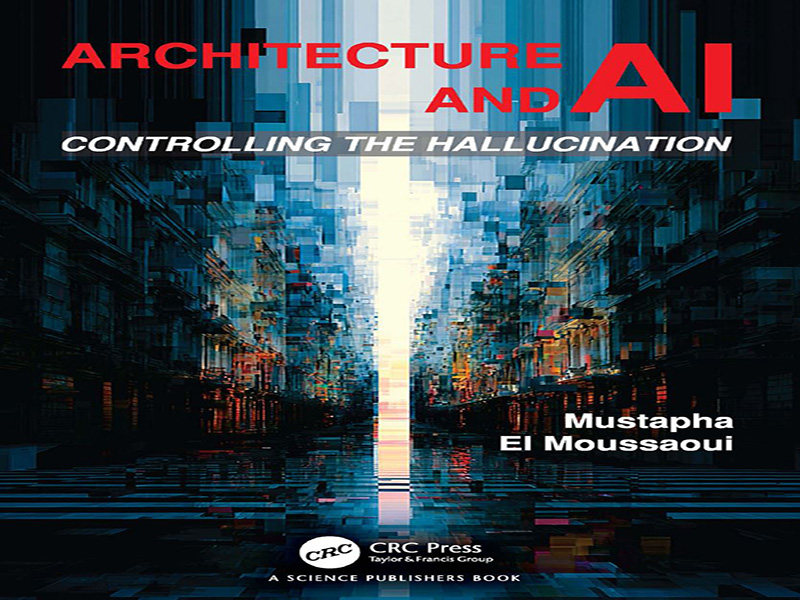
- عنوان کتاب: Architecture and AI Controlling the Hallucination
- نویسنده: Mustapha El Moussaoui
- حوزه: کاربرد هوش مصنوعی
- سال انتشار: 2026
- تعداد صفحه: 297
- زبان اصلی: انگلیسی
- نوع فایل: pdf
- حجم فایل: 10.6 مگابایت
تصور کنید سال ۱۳۸۰ است. شما زیر طاقهای یک کلیسای جامع در فرانسه ایستادهاید. داربستها مانند شهری دوم بالای کف به دیوارها چسبیدهاند. استاد بنا با یک نگاه و اشاره کار را هدایت میکند. دانش او در ابزارها، در حافظه عضلانی پینه بسته، در قوانین سرانگشتی محافظتشدهای که از طریق انجمن منتقل میشود، وجود دارد. او با سرعت سنگ طراحی میکند. اقتدار او بر تخصص تجسمیافتهای استوار است که فقط سازندگان میتوانند آن را بخوانند. سپس پیکی از ایتالیا با یک لوله کاغذ پوستی میرسد. روی آن: نمایی که به صورت پرسپکتیو خطی ارائه شده است، همراه با اندازهگیریها و یادداشتها. این فقط یک تصویر نیست. این یک انتزاع است، یک بسته قابل حمل از نیت. برای اولین بار یک حامی میتواند به یک پروژه به طور کلی نگاه کند، آن را با دیگران مقایسه کند، آن را تأیید یا رد کند، حتی کاری را دور از محل ساخت سفارش دهد. برای استاد بنا این مانند یک نظریه بیحاصل به نظر میرسد. برای نوع جدیدی از حامی، مانند شفافیت، حتی کنترل به نظر میرسد. بازار تغییر میکند. این اجازه میدهد تا تصمیمات دور از داربست، در شمارش خانهها و شوراها گرفته شود. استادی که انتزاع جدید را رد میکند، در بحث شکست نمیخورد. او با رسانهای جدید جایگزین میشود که نحوه هماهنگی و تأمین مالی معماری را تغییر میدهد. این یک تمثیل رمانتیک نیست. این یادآوری است که فناوریهای جدید چیزی بیش از تصویرسازی انجام میدهند. آنها اینکه چه کسی تصمیم میگیرد، چه کسی پرداخت میکند و چه کسی پاسخگو است را تغییر ساختار میدهند. در سال ۲۰۲۲، مدلهای انتشار از آزمایشگاهها به استفاده روزمره منتقل شدند و نمایش معماری تقریباً یک شبه تغییر کرد. یک درخواست کوتاه تصاویری تولید کرد که زمانی نیاز به مدلسازی، رندر و تکرار صبورانه داشت. سود واقعی بود. خطر نیز همینطور. سرعت میتواند خروجی را از قصد جدا کند. از آن لحظه سوال من ملموس بود. چگونه قضاوت معماری را درون ابزارهایی نگه داریم که میتوانند به راحتی از ما جلوتر بروند. ساختار من بر دو ستون قرار دارد. من آموزش دیدهام که معماری را به صورت پدیدارشناختی بخوانم، با توجه به اینکه چگونه نور، صدا، مصالح و مقیاس از تجربه زیسته پشتیبانی میکنند. من همچنین آموزش دیدهام که محاسبه کنم. من اسکریپت نوشتم، شبیهسازی ساختم و از دادهها برای آزمایش ادعاهای طراحی استفاده کردم. که برخی ممکن است آن را پسا پدیدارشناسی بنامند. اینها تعهدات رقیب نیستند. آنها راههای مکمل استدلال در مورد فضا هستند. وظیفه این است که آنها را کنار هم نگه داریم تا محاسبهپذیر در خدمت سکونتپذیر باشد. چرخش انتشار، شکافی بین بازنمایی و تألیف را آشکار کرد. دانشجویان در عرض چند دقیقه تصاویر قانعکنندهای تولید کردند و سپس پرسیدند که آیا آن تصاویر هنوز متعلق به خودشان هستند. آیا مدلها فقط ابزار بودند یا اکنون به عنوان نویسندگان همکار عمل میکنند. به موازات آن، دفاتر با سرعتی بیشتر از آنچه برنامههای دانشگاهی بتوانند سرفصلها را اصلاح کنند، حول خطوط لوله جدید سازماندهی مجدد شدند. درس این نبود که به دنبال نوآوری باشیم. این بود که وضعیت بدن را آموزش دهیم. وقتی بازنمایی سرعت میگیرد، باید عاملیت حفظ شود. من با درسی شروع کردم که به خوبی میشناختم. سالها هندسه توصیفی و ترکیب فضایی را به ترتیب کلاسیک آن تدریس کرده بودم. تصویر ارتوگرافیک، ساخت آکسونومتریک، مقطع و سایه. این رشته مهم است زیرا اظهارات صریحی را در مورد آنچه شناخته شده است و آنچه استنباط میشود، تحمیل میکند. من آن ترتیب را نگه داشتم و یک ترتیب دوم را در کنار آن قرار دادم. ما ابزارهای تولیدی را که قبلاً استفاده میکردیم، باز کردیم. پرسیدیم که چگونه دادهها به یک پیشین تبدیل میشوند، چگونه نویز از طریق نمونهبرداری به سیگنال تبدیل میشود، چگونه یک بذر اکتشاف را تثبیت میکند، چگونه ورودیهای کنترلی یک توزیع را هدایت میکنند و چگونه بایاس از طریق مجموعههای آموزشی وارد میشود. ما یاد گرفتیم که یک تصویر شکستخورده را با ردیابی آن در طول مسیرش تشخیص دهیم. این آموزش معماران برای تبدیل شدن به مهندسان یادگیری ماشین نبود. این کار از بین بردن رمز و راز بود تا بتوان از حق تألیف دفاع و بحث کرد. در خارج از کلاس درس نیز فشارها مشابه بود. رقابتها به سرعت پاداش میدادند. مشتریان انتظار طرحهای اولیهای را داشتند که به نظر حلشده میآمدند. همکاران میپرسیدند که چگونه مدلهای جدید را بدون اینکه اجازه دهند سلیقهشان را دیکته کنند، ادغام کنند. من کارگاهها را تدریس میکردم، تاسیسات کوچک میساختم و مقالاتی در مورد هوش مصنوعی مینوشتم. در اینجا صحنه قرون وسطایی دوباره مفید میشود. پرسپکتیو هنر را نابود نکرد. این امر به نیت رسمیت بخشید و کار پیچیده را در طول مسافت و زمان قابل هماهنگی کرد. همچنین قدرت را تغییر داد. کسانی که طراحی را یاد گرفتند، قدرت را به دست آوردند. کسانی که از آن امتناع ورزیدند، مهارت را حفظ کردند اما جهت را از دست دادند. در تاریخ همیشه مشخص است که کسانی که فناوریها را ایجاد و استفاده میکنند، بر تخت قدرت نشستهاند. هوش مصنوعی نسخه فعلی آن تغییر است. آنها میتوانند ادراک را گسترش دهند، تکرار را تسریع کنند و فضای جستجو را گسترش دهند. آنها همچنین میتوانند نیت را بپوشانند، تعصب را تثبیت کنند و در صورت استفاده غیرانتقادی، به نمایش پاداش دهند. مسئله، پذیرش نیست. مسئله، حکمرانی است. چه کسی مشخص میکند، چه کسی محدود میکند، چه کسی اعتبارسنجی میکند و با چه معیارهایی. این نقطهای است که کتاب ضروری شد. مجموعهای از سخنرانیها کافی نبود. دانشآموزان به روشی ساختاریافته برای پیوند سواد هندسی با سواد تولیدی نیاز دارند. مربیان به مسیری برای نوسازی مبانی بدون کنار گذاشتن آنها نیاز دارند. متخصصان به پروتکلهایی نیاز دارند که ابزارهای جدید را بدون پایین آوردن استانداردها ادغام کنند. محققان به واژگانی نیاز دارند که به معماری اجازه دهد…
Imagine the year is 1380. You stand beneath the vaults of a cathedral in France. Scaffolds cling to the walls like a second city above the floor. The Master Mason directs the work with a glance and a gesture. His knowledge lives in tools, in calloused muscle memory, in guarded rules of thumb passed through the guild. He designs at the pace of stone. His authority rests on embodied expertise that only the builders can read. Then a courier arrives from Italy with a roll of parchment. On it: a façade rendered in linear perspective, accompanied by measurements and notes. It is not only an image. It is an abstraction, a portable package of intention. For the first time a patron can look at a project as a whole, compare it with others, approve or reject it, even commission work far from the site of building. To the Master Mason this looks like sterile theory. To a new kind of patron it looks like transparency, even control. The market shifts. It allow decisions to be made away from the scaffold, in counting houses and councils. The master who refuses the new abstraction is not defeated in debate. He is displaced by a new medium that changes how architecture is coordinated and financed. This is not a romantic parable. It is a reminder that new technologies do more than depict. They restructure who decides, who pays, and who is accountable. In 2022 diffusion models moved from labs into everyday use and architectural representation changed almost overnight. A short prompt produced images that once required modeling, rendering, and patient iteration. The gain was real. So was the risk. Velocity can separate output from intention. From that moment my question was concrete. How do we keep architectural judgment inside tools that can easily run ahead of us. My formation sits on two pillars. I was trained to read architecture phenomenologically, with attention to how light, sound, material, and scale support lived experience. I was also trained to compute. I wrote scripts, built simulations, and used data to test design claims. Which some might call post-phenomenology. These are not rival commitments. They are complementary ways of reasoning about space. The task is to hold them together so that the calculable serves the habitable. The diffusion turn exposed a gap between representation and authorship. Students produced convincing images in minutes and then asked if those images still belonged to them. Were the models only instruments, or did they now function as coauthors. In parallel, offices reorganized around new pipelines faster than university programs could revise syllabi. The lesson was not to chase novelty. It was to teach posture. Agency must be maintained when representation accelerates. I began with a course I knew well. For years I had taught Descriptive Geometry and Spatial Composition in its classical sequence. Orthographic projection, axonometric construction, section, and shadow. The discipline matters because it forces explicit statements about what is known and what is inferred. I kept that sequence and placed a second sequence beside it. We opened the generative tools we were already using. We asked how data becomes a prior, how noise becomes signal through sampling, how a seed stabilizes exploration, how control inputs steer a distribution, and how bias enters through training sets. We learned to diagnose a failed image by tracing it back through its pipeline. This was not training architects to become machine learning engineers. It was removing mystique so that authorship could be argued and defended. Outside the classroom the pressures were similar. Competitions rewarded speed. Clients expected early designs that looked resolved. Colleagues asked how to integrate new models without letting them dictate taste. I taught workshops, built small installations, and wrote articles on Artificial Intelligence. Here the medieval scene becomes useful again. Perspective did not destroy craft. It formalized intention and made complex work coordinable across distance and time. It also shifted power. Those who learned to draw gained power. Those who refused it kept skill but lost direction. In history it is always clear, those who create and use technologies sit on the throne of power. Artificial Intelligence is the present version of that shift. They can expand perception, accelerate iteration, and widen the search space. They can also mask intention, entrench bias, and reward spectacle if used uncritically. The question is not adoption. The question is governance. Who specifies, who constrains, who validates, and by what criteria. This is the point at which the book became necessary. A set of lectures was not enough. Students need a structured way to connect geometric literacy with generative literacy. Educators need a path to modernize foundations without discarding them. Practitioners need protocols that integrate new tools without lowering standards. Researchers need a vocabulary that allows architectural theory, human computer interaction, and machine learning to meet on technical ground. Why we need technology follows directly from this history. Abstractions like drawing, simulation, and generation are not decorations on top of making. They are the means by which intention becomes communicable, testable, and contractible. It is a language. They let us see consequences before they harden into concrete and cost. They allow collaboration at scale. They give students and offices a larger search space and a tighter feedback loop. We need them to reduce error, to price risk, to coordinate labor, and to measure claims about comfort, performance, and care. We need them to widen our imagination without losing responsibility. The risk is not the existence of new tools. The risk is using them passively. The Master Mason lost when he refused the new language of representation. We will lose authorship if we refuse to learn how generative systems reason and how they can be steered. The alternative is clear. Treat the model as a material. Specify, constrain, test, and revise. Keep site, climate, and community inside the loop. Pair orthographic rigor with generative exploration. Require that every image answer to life on the ground. I began writing because I saw the same conversation replayed in many rooms. The tools will continue to change while you read. That is not a problem if the method is stable. What endures is a way of thinking that keeps intention, ethics, and accountability inside computation. This book is an attempt to make that way of thinking teachable and transferable. Control the hallucination. Use technology to extend care, not to replace it. Keep authorship—not in an egoistic approach, but more to keep our existential identities intact- by learning the new language.
این کتاب را میتوانید از لینک زیر بصورت رایگان دانلود کنید:













نظرات کاربران