



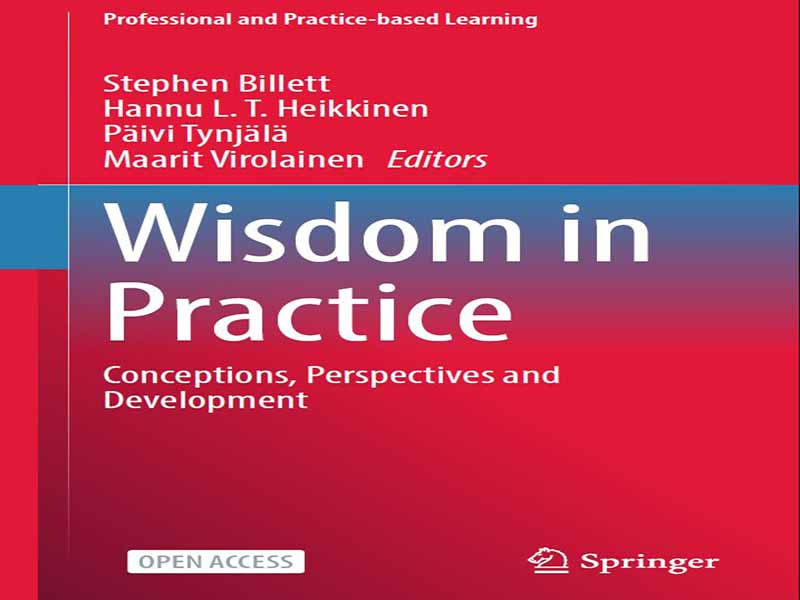
- عنوان کتاب: Wisdom in Practice Conceptions, Perspectives and Development
- نویسنده: Stephen Billett, Hannu L. T. Heikkinen
- حوزه: دانایی
- سال انتشار: 2026
- تعداد صفحه: 332
- زبان اصلی: انگلیسی
- نوع فایل: pdf
- حجم فایل: 10.9 مگابایت
یکی از اهداف کلیدی مجموعه کتابهای «یادگیری مبتنی بر عمل و حرفهای» ارتقای درک در مورد توانایی تجربیات مبتنی بر عمل برای پشتیبانی بیشتر از یادگیری و توسعه بزرگسالان در سن کار، و به ویژه در جهت زندگی کاری آنها است. برای دستیابی به این هدف، اغلب لازم است در مورد انواع عملکردهای انسانی که اهداف تجربیات یادگیری مبتنی بر عمل هستند و اینکه چگونه این تجربیات میتوانند به بهترین شکل در محیطهای کاری، اجتماعی و آموزشی ارائه شوند و توسط کسانی که به دنبال یادگیری هستند، درگیر شوند، بیشتر درک شود. بنابراین، تمرکز بر نمونههایی از سطوح بالای عملکرد انسانی، مبنای مفیدی برای روشن کردن و توضیح چگونگی دستیابی به چنین نتایجی توسط این تجربیات است. به عنوان مثال، بسیاری از روایتها بر روایتهای شناختی از تخصص انسانی به عنوان مبنایی برای درک چگونگی توسعه این ظرفیتها و از طریق چه ابزارهایی تمرکز کردهاند.
در اینجا، به مفهومی که پیش از تخصص وجود داشته است، توجه میشود: خرد. در واقع، در این جلد به روابط بین تخصص و خرد در عمل توجه شده است و اذعان میشود که هر دو دارای ابعاد شخصی و اجتماعی هستند: عمل تخصصی و عمل خردمندانه. این امر مهم به نظر میرسد زیرا این دو مفهوم را از حالت بسیار فردی خارج کرده و به طور جامع بر ظرفیتهای افرادی که به طرق مختلف متخصص یا خردمند تلقی میشوند، مبتنی میکند. در عوض، روایتهایی که هر دو مفهوم را در رویههای اجتماعی، فرهنگی و موقعیتی جای میدهند، روایتهای ظریفتری ارائه میدهند. در عوض، آنها بر جایماندگی تفکر و عمل انسان در دنیای اجتماعی که افراد در آن ساکن هستند، تأکید میکنند. این دنیای اجتماعی است که مولد انواع فعالیتهایی است که به دلیل نیاز آنها به دستیابی به اهداف اجتماعی، انواع ظرفیتهایی که ناگزیر با شرایط اجتماعی کاربرد آنها مرتبط هستند، و همچنین اهمیت انسانها به عنوان دارندگان ویژگیهای منحصر به فرد مرتبط با تعامل با دیگران، داشتن ابزارهای ارتباطی و قضاوتی که مبتنی بر مشارکتهای جمعی هستند، شایسته مشارکت تلقی میشوند. بنابراین، همه اینها به خوبی با اهداف این مجموعه کتاب، از طریق تمرکز و مشارکتهای این جلد، همسو است.
این جلد ویرایش شده، خردمندی در عمل را بررسی میکند: فرآیند خردمند بودن هنگام مشارکت در فعالیتهای مشتق شده از فرهنگ مانند فعالیتهای مرتبط با زندگی کاری و انجام رویههای شغلی، اما نه کاملاً منحصر به آنها. این کار را از طریق تعامل با طیف وسیعی از رشتهها، از جمله فلسفه نظری، جهتگیریهای روانشناختی و اجتماعی-فرهنگی برای شرح این مفهوم، انجام میدهد. علاوه بر این، این جهتگیریهای رشتهای به سه روش کلی قیاسی، قیاسی و استقرایی به این وظیفه میپردازند. یعنی، روایتهای قیاسی از یونان کلاسیک، و به ویژه آثار ارسطو، روایت قیاسی مبتنی بر مدلی از خرد که از بررسی ادبیات استخراج شده است، و رویکردی استقرایی که کاملاً مبتنی بر مصاحبه با افرادی است که به عنوان خرد در عمل معرفی شدهاند و میتوانند بینشهایی در مورد آنچه خرد در عمل را تشکیل میدهد، ارائه دهند. دادههای مصاحبه همچنین در تحلیل قیاسی و در تحلیلی که بر گفتمان و تعاملات مرتبط با خرد در عمل تمرکز دارد، استفاده میشوند. این دادهها برای تعامل استقرایی، اما با الهام از احکام مرتبط با تخصص، دانش شغلی و توسعه آن از طریق عمل، برای شرح آنچه خرد در عمل را تشکیل میدهد از دادههای مصاحبه، نحوه یادگیری آن، نقش همکاری در توسعه این ظرفیتها و همچنین باورها و ارزشهای افراد که در نحوه مشارکت و یادگیری از طریق عمل و به روشهایی که خردمند تلقی میشوند، نقش اساسی دارند، استفاده میشوند. دو فصل به چالش بیان پیامدهای یادگیری این ظرفیتها و چگونگی کمک به آنها در وهله اول از طریق مقررات و شیوههای آموزش عالی و در وهله دوم، ملاحظات مربوط به یادگیری از طریق عمل، میپردازند.
از این طریق، این کتاب طیف وسیعی از مشارکتها را ارائه میدهد. اولاً، این کتاب تلاش زیادی میکند تا مفهومی را که شاید اغلب به دلیل ویژگیهای کمی زودگذر یا عامیانهاش، از تحقیقات علمی دور به نظر میرسد، به صورت فلسفی، تجربی و استقرایی شرح دهد. با درگیر کردن آن با ادبیات و روشها و رویههای علمی تثبیتشده، این مفهوم را به طور کاملتری در نوع گفتگوهایی که میتوانند در مورد تخصص و توسعه آن پیشرفت کنند، به عنوان مثال، وارد میکند. ثانیاً، این کتاب میکوشد تا جهتگیریهای کاملاً متمایز برای درک ظرفیتهای انسانی، شناخت، تفکر و عمل و رابطه با دنیای اجتماعی را با هم تطبیق دهد. این کتاب با گردآوری و تلاش برای ادغام مشارکتهای این رشتهها، نه تنها حق مطلب را در مورد این دیدگاههای مختلف ادا میکند، بلکه به این نکته اشاره میکند که چگونه میتوانند مکمل یکدیگر باشند، نه اینکه به عنوان ناسازگار قرار گیرند. ثالثاً،
A key purpose of the Professional and Practice–based Learning book series is to advance understanding about the ability of practice-based experiences to further support the learning and development of working-age adults, and particularly as directed towards their working lives. To achieve this purpose, it is often necessary to understand further about the kinds of human performances that are the goals for practice-based learning experiences and how these experiences might best be afforded in workplace, community and educational settings and engaged with by those who are seeking to learn. So, focusing on instances of high levels of human performance stands to be a useful basis for illuminating and elaborating how those experiences can secure such outcomes. For instance, many accounts have focused on cognitive accounts of human expertise as a basis for understanding how these capacities can be developed and through what means.
Here, attention is given to a concept that predates that of expertise: wisdom. Indeed, consideration is given in this volume to the relations between expertise and wisdom in practice, recognising that both have personal and social dimensions: expert practice and wise practice. This seems important because it moves these two concepts away from being highly individualised and premised comprehensively on the capacities of the individuals who are variously deemed to be experts or wise. Instead, accounts which embed both concepts in social, cultural and situated practices offer more than nuanced accounts. Instead, they emphasise the embeddedness of human thinking and acting within the social world in which individuals inhabit. It is that social world that is generative of the kinds of activities that are deemed worthy of engaging in because of their needs to meet societal goals, the kinds of capacities that are inevitably associated with the social circumstances of their application, and also the importance of humans as possessors of unique qualities associated with engaging with others, having means of communication and judgement that are premised upon the contributions of collectives. All this then is well aligned with the purposes of this book series, through the focus and contributions of this volume.
This edited volume explores wisdom in practice: the process of being wise when engaging in culturally derived activities such as those associated with, but not wholly exclusive to, working life and the conduct of occupational practices. It does this through engaging with a range of disciplines, which includes speculative philosophy, psychological and sociocultural orientations to elaborate this concept. Moreover, these disciplinary orientations approach the task in three ways that are broadly deductive, abductive and inductive. That is, deductive accounts from Classical Greece, and, in particular, the work of Aristotle, an abductive account based upon a model of wisdom that was derived from a review of literature, and an inductive approach wholly based upon interviews with individuals who have been nominated as and who are able to provide insights about what constitutes wisdom in practice. The interview data are also used in the abductive analysis, and in one that focuses on the discourse and interactions associated with wisdom in practice. These data are used to engage inductively, but informed by precepts associated with expertise, occupational knowledge and its development through practice to elaborate what constitutes wisdom in practice from the interview data, how it is learnt, the role of collaboration in the development of those capacities and also the beliefs and values of individuals that are central to how they come to engage in and learn through practice and in ways that are seen as being wise. Two chapters take up the challenge of setting out the implications for the learning of these capacities and how these might be assisted through, in the first instance, higher education provisions and practices, and in the second, considerations for learning through practice.
In these ways, the volume makes a range of contributions. Firstly, it does much to elaborate philosophically, empirically and inductively a concept that is perhaps often seen as being remote from inform scientific inquiry because of its slightly ephemeral or folk-like qualities. By engaging it with well-established literature and scientific methods and procedures, it brings this concept more fully into the kind of conversations that can progress about expertise and its development, for instance. Secondly, it seeks to reconcile quite distinct orientations to understanding human capacities, cognition, thinking and acting and the relation with the social world. By drawing together and seeking to integrate the contributions of these disciplines, this volume does not only do justice to those different perspectives but begins to hint at how they can be complementary rather than being positioned as incompatible. Thirdly, the volume, across the various disciplinary contributions, does much to extend the sociogenesis of human performance, the kinds of knowledge that need to be learnt and how that learning progresses in and through practice. It emphasises, on the one hand, the importance of collaboration, engagements with others and the careful appraisal of their contributions, on the one hand, and on the other, the beliefs and values that not only shape decision-making about a particular domain of activities, but also the capacities required to make judgements about how to engage with the social world, the views of others and wise practices on that basis.
In all of these ways, the volume makes an important contribution to this book series, but most broadly to the field of understanding the role of practice-based experiences in human cognition and the development of the kinds of capacities that are important not only for individual development but also for advancing how to address the needs of the work and social communities in which wise decision-making is becoming more and more important.
این کتاب را میتوانید از لینک زیر بصورت رایگان دانلود کنید:
Download: Wisdom in Practice Conceptions, Perspectives and Development















نظرات کاربران