



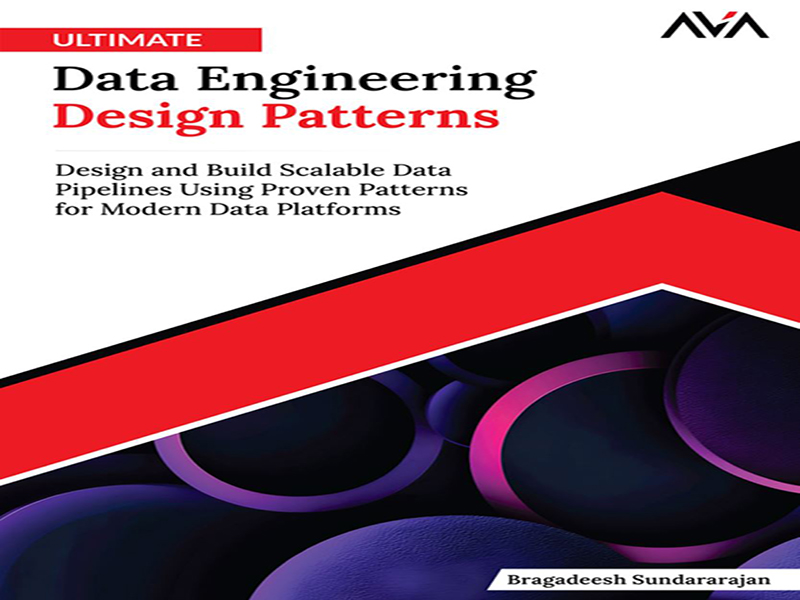
- عنوان کتاب: Ultimate Data Engineering Design Patterns -Design and Build Scalable Data Pipelines
- نویسنده: Bragadeesh Sundararajan
- حوزه: مهندسی داده
- سال انتشار: 2026
- تعداد صفحه: 450
- زبان اصلی: انگلیسی
- نوع فایل: pdf
- حجم فایل: 3.60 مگابایت
در اقتصاد دیجیتال امروزی، داده ها به یکی از با ارزش ترین دارایی های یک سازمان تبدیل شده اند. از موسسات مالی و سیستمهای مراقبت بهداشتی گرفته تا پلتفرمهای تجارت الکترونیک و شرکتهای فناوری، هر شرکت مدرن برای تصمیمگیری آگاهانه، خودکارسازی فرآیندها و هدایت نوآوری به دادهها متکی است. با این حال، ارزش واقعی داده ها تنها زمانی درک می شود که بتوان آنها را به طور قابل اعتماد جمع آوری، پردازش و در زمان مناسب به سیستم های مناسب تحویل داد. اینجاست که مهندسی داده نقش مهمی ایفا می کند. مهندسی داده ستون فقرات شرکتهای مبتنی بر دادههای مدرن است که امکان جذب، تبدیل و ذخیرهسازی کارآمد دادهها را برای استفادههای تحلیلی و عملیاتی فراهم میکند. از آنجایی که سازمان ها به طور فزاینده ای به سیستم های داده در مقیاس بزرگ وابسته هستند، ساخت خطوط لوله داده مقیاس پذیر، انعطاف پذیر و با کارایی بالا به یک قابلیت ضروری تبدیل شده است. مهندسان داده مسئول طراحی زیرساختی هستند که پلتفرم های تجزیه و تحلیل، سیستم های یادگیری ماشین و برنامه های کاربردی بلادرنگ را تقویت می کند. کار آنها تضمین می کند که داده ها به طور یکپارچه در سیستم ها جریان می یابد و در عین حال کیفیت، قابلیت اطمینان و حاکمیت را حفظ می کند.
In today’s digital economy, data has become one of the most valuable assets an organization can possess. From financial institutions and healthcare systems to e-commerce platforms and technology companies, every modern enterprise relies on data to make informed decisions, automate processes, and drive innovation. However, the true value of data is realized only when it can be reliably collected, processed, and delivered to the right systems at the right time. This is where data engineering plays a critical role. Data engineering is the backbone of modern data-driven enterprises, enabling efficient data ingestion, transformation, and storage for analytical and operational use. As organizations increasingly depend on large-scale data systems, building scalable, resilient, and high-performance data pipelines has become an essential capability. Data engineers are responsible for designing the infrastructure that powers analytics platforms, machine learning systems, and real-time applications. Their work ensures that data flows seamlessly across systems, while maintaining quality, reliability, and governance. This book is designed to serve as a comprehensive guide to mastering data engineering design patterns, helping readers understand how to architect and implement robust data systems. Whether you are an aspiring data engineer, a data analyst transitioning into engineering roles, or a software engineer working with large-scale data systems, this book provides a structured and practical approach to building modern data infrastructure. Beginning with foundational concepts, the book explores the core patterns that underpin modern data engineering systems. Readers will learn how to design and implement data ingestion pipelines, storage architectures, batch and streaming processing frameworks, and scalable data serving layers. Through real-world examples and architectural discussions, the book explains how modern data platforms operate, and how different components work together to support analytics and machine learning workloads. The book also examines data lake and data warehouse architectures, highlighting the best practices for managing large volumes of structured and unstructured data. In addition, readers will learn about data governance, security, and observability, which are essential for maintaining trust, compliance, and reliability in enterprise data systems. What sets this book apart is its strong focus on design patterns and realworld applications. Each chapter introduces practical patterns used by data engineering teams across industries such as finance, healthcare, and ecommerce. Readers will explore common challenges in building data pipelines, and learn proven approaches to solving them efficiently. Handson exercises and case studies further reinforce the concepts, enabling readers to translate theory into practical implementation. As organizations scale their data platforms, topics such as performance optimization, distributed processing, fault tolerance, and system scalability become increasingly important. This book addresses these areas in depth, while also exploring modern practices such as DataOps, cloud-native architectures, and automated pipeline management that are shaping the future of data engineering. By the end of this book, readers will gain a solid understanding of how to design, build, and manage end-to-end data pipelines using industry best practices. More importantly, they will develop the architectural thinking required to design scalable and reliable data systems capable of supporting modern analytics and machine learning workloads. Thus, whether you are beginning your journey in data engineering or looking to deepen your expertise in building production-grade data platforms, this book aims to provide the knowledge and practical insights needed to tackle real-world data challenges, and build systems that stand the test of scale and complexity.
این کتاب را میتوانید از لینک زیر بصورت رایگان دانلود کنید:
















نظرات کاربران