



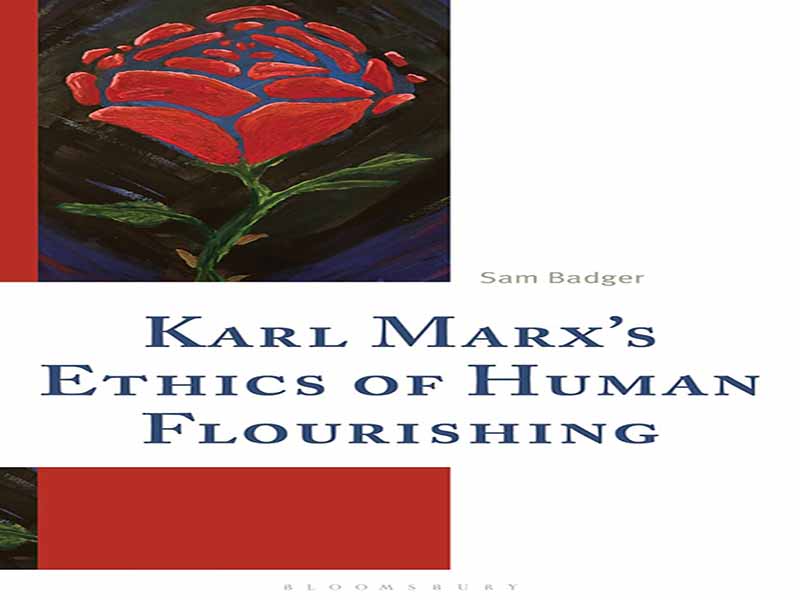
- عنوان کتاب: Karl Marx’s Ethics of Human Flourishing
- نویسنده: Sam Badger
- حوزه: مارکسیسم
- سال انتشار: 2026
- تعداد صفحه: 363
- زبان اصلی: انگلیسی
- نوع فایل: pdf
- حجم فایل: 2.61 مگابایت
دنیای سرمایهداری ویکتوریایی که مارکس بیرحمانه مورد انتقاد قرار داد، هم با پیشرفت سریع و هم با سطوح شدید نابرابری، شرایط وحشتناک کار، استعمار، کمبود مسکن، قحطی و فقر مشخص میشد. هدف کار او شناسایی و نقد علل این شرایط بود و به عنوان یک فعال سیاسی، برای هدایت جنبش نوپای طبقه کارگر تلاش کرد. این نه تنها به شکل حمایت از یک انقلاب سوسیالیستی، بلکه اصلاحات معتدلتری مانند کوتاه کردن روز کاری نیز صورت گرفت. اگرچه انقلاب جهانی که او از آن حمایت میکرد (هنوز، مارکس میتواند اضافه کند)، طبقه کارگر به بسیاری از اصلاحات کوتاهمدتی که مارکس از آنها دفاع میکرد، دست یافته است. طول روز کاری تنظیم شده است، برخی کمکها برای سالمندان وجود دارد، کارگران از حق رأی عمومی برخوردارند و حق تشکیل اتحادیه از نظر قانونی محافظت میشود (حداقل فعلاً). با این حال، چه مسکن مقرون به صرفه باشد، چه هفته کاری چهل ساعته، حق تشکیل اتحادیه، امنیت شغلی و غیره، دستاوردهای کارگران تضعیف شده است. کارگران همچنان با مشکلات استثمار و بیگانگی دست و پنجه نرم میکنند، و البته سایر بیماریهای همراه مانند فقر، کار بیش از حد، خطر بیکاری، مسکن نامناسب و شرایط کاری ناامن را نیز نباید از نظر دور داشت. با وجود دههها رشد بهرهوری، کارگران امروز حتی نسبت به کسانی که آنها را استخدام میکنند، فقیرتر هستند. حتی در ثروتمندترین کشورها، کارگران با مشکلات مربوط به قیمت مسکن و جابجایی و مشاغلی که از نظر وجودی بیمعنی میدانند، روبرو هستند. جهانی شدن بازار کار به این معنی است که مصرفکنندگان غربی هنوز به کارگرانی وابسته هستند که در شرایطی کار میکنند که برای کارگران انگلیسی در طول انقلاب صنعتی بسیار آشنا بود. برای منتقدان نظام سرمایهداری و برای کسانی که آرزوی یک جایگزین را دارند، نقد مارکس از سرمایهداری همچنان منبعی ارزشمند است. با این حال، بحث فعالی وجود دارد که آیا مارکس نقد خود از سرمایهداری را به عنوان یک نقد اخلاقی درک کرده است یا خیر. بسیاری از سوسیالیستها، نقد سرمایهداری را به عنوان نقدی میدانند که کاملاً حول بیعدالتی استثمار و برتری اخلاقی جایگزین آن میچرخد. سایر سوسیالیستها، مقولات اخلاقی را ذاتاً ایدئولوژیک میدانند و سوسیالیسم را صرفاً راهی منطقیتر برای سازماندهی جامعه و برآوردن نیازهای انسانی میدانند که از بحرانها و ناکارآمدیهای بازارهای سرمایهداری جلوگیری میکند. سخنان خود مارکس در مورد اخلاق، گاهی اوقات به نظر میرسد که دو طرفه است، به خصوص وقتی که از متن خارج میشوند. این امر جایگاه فلسفه اخلاق و فلسفه اخلاق را در نظریه مارکس به عنوان یک سوال باز باقی گذاشته است. کتاب من به این سوال میپردازد که فلسفه اخلاق مارکس، چگونه دیدگاههای اخلاقی او حکم او در مورد سرمایهداری را شکل داده است، و ساختار دیدگاههای فرااخلاقی او چگونه است. این کتاب استدلال خواهد کرد که مارکس اخلاقی برای شکوفایی انسان دارد که شبیه اخلاق ارسطو است اما از آن نیز متفاوت است – به همان اندازه که مارکس هگل را روی پاهای خود قرار میدهد، ارسطو را به جای نخبگان اجتماعی، در میان تودههای زحمتکش قرار میدهد. برای ارسطو، دقیقاً امتیاز نخبگان است که به آنها اجازه میدهد به فضیلت و سعادت یا شکوفایی انسان دست یابند. ارسطو استدلال میکند که فقط اشراف متفکر، با فضیلت و از نظر سیاسی فعال به خرد عملی (یا فرونسیس) و سعادت دست مییابند و برده لزوماً در سطح پایینتری از توسعه باقی میماند. هگل در قطعه معروف «ارباب-برده» در پدیدارشناسی روح، این سلسله مراتب را با پیوند دادن برده با آزادی و تهذیب از طریق فعالیت عملیاش، در حالی که اشرافزاده به طور فزایندهای به برده وابسته میشود، وارونه میکند. برده با تسلط بر جهان آزاد میشود و از طریق کار خود شخصیت اخلاقی و فکری را توسعه میدهد.
The Victorian capitalist world Marx ruthlessly criticized was marked by both rapid progress and extreme levels of inequality, terrible working conditions, colonialism, housing shortages, famine, and poverty. His work aimed to identify and critique the causes of these conditions, and as a political activist he worked to guide the nascent working-class movement. This not only took the form of advocating for a socialist revolution, but also more modest reforms such as shortening the working day. Even though the world revolution he advocated has not come to pass (yet, Marx might add), the working class has achieved many of the short-term reforms Marx defended. The length of the working day is regulated, there is some assistance for the elderly, workers enjoy universal suffrage, and the right to unionize is legally protected (at least for now). Yet whether it be affordable housing, the forty-hour workweek, the right to unionize, employment security, and so on, the gains made by workers have been undermined. Workers continue to be beset by the problems of exploitation and alienation, not to mention the other attendant ills such as pauperism, overwork, the risk of unemployment, poor housing, and unsafe working conditions. Despite decades of productivity growth, workers today are even poorer relative to those who employ them. Even in the wealthiest countries, workers face problems of housing affordability and displacement, and work jobs that they find existentially meaningless. The globalization of the labor market means Western consumers are still dependent on workers toiling in conditions which would have been more than familiar to the English workers during the Industrial Revolution. For critics of the capitalist system and for those who yearn for an alternative, Marx’s critique of capitalism remains an invaluable resource. Yet there remains an active debate whether Marx understood his criticism of capitalism as a moral one. Many socialists view the criticism of capitalism as one that revolves entirely around the injustice of exploitation and the moral superiority of its alternative. Other socialists view moral categories as inherently ideological, and that socialism is merely a more rational way of organizing society and meeting human needs that avoids the crises and inefficiencies of capitalist markets. Marx’s own words on morality at times seem to cut both ways, especially when taken out of context. This has left the status of moral and ethical philosophy in Marx’s theory as an open question. My book addresses the question of Marx’s moral philosophy, how his moral views informed his verdict on capitalism, and the structure of his meta-ethical views. This book will argue that Marx has an ethic of human flourishing that resembles but also diverges from Aristotle’s ethics—as much as Marx puts Hegel on his feet, he puts Aristotle among the toiling masses instead of the social elite. For Aristotle, it is precisely the privilege of the elite that allows them to achieve virtue and eudaimonia, or human flourishing. Aristotle argues that only the contemplative, virtuous, and politically active Aristocrat achieves practical wisdom (or phronesis) and eudaimonia, and that the slave necessarily remains at a lower state of development. In his famous “Master-Slave” passage in the Phenomenology of Spirit, Hegel inverts this hierarchy by associating the slave with freedom and edification through their practical activity while the Aristocrat becomes increasingly dependent on the slave. The slave becomes free by mastering the world and develops moral and intellectual character through their labor.
این کتاب را میتوانید از لینک زیر بصورت رایگان دانلود کنید:
Download: Karl Marx’s Ethics of Human Flourishing
















نظرات کاربران