



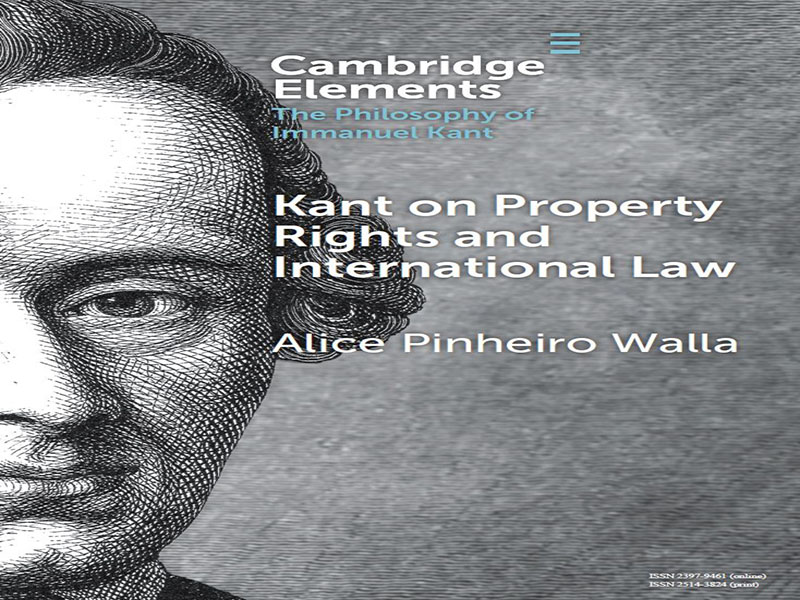
- عنوان کتاب: Kant on Property Rights and International Law
- نویسنده: Alice Pinheiro Walla
- حوزه: فلسفه کانت
- سال انتشار: 2026
- تعداد صفحه: 82
- زبان اصلی: انگلیسی
- نوع فایل: pdf
- حجم فایل: 2.96 مگابایت
در این عنصر، من استدلال میکنم که نظریه الزام حقوقی کانت، استدلال متمایزی برای بسط و تحکیم حقوق بینالملل ارائه میکند. به طور خاص، یک نظم حقوقی بینالمللی مشترک برای امکان الزام قانونی به احترام به حقوق مالکیت و حقوق سرزمینی دولتها در همه جا لازم است. من در اینجا ارائه خواهم داد که با شواهد متنی و قرائت خیرخواهانه نزدیک از فلسفه حقوقی کانت پشتیبانی می شود. این مورد حتی زمانی است که تحلیل من ممکن است به نتایجی منجر شود که نظریه حقوقی کانت را فراتر از دغدغهها و دامنه کاربرد اصلی آن گسترش میدهد. اثر حاضر به آنچه که من برای تفکر حقوقی کانت ضروری میدانم متعهد است و پژوهش کانت و پژوهش کانت کاربردی را برای تدوین استدلال کانتی برای حقوق بینالملل ترکیب میکند. یک هشدار مهم در این مرحله این است که مفهوم «حقوق مالکیت» نباید با حقوق مالکیت خصوصی ترکیب شود (مکفرسون 1978). خواه فردی، جمعی یا عمومی، همه اشکال مالکیت در نهایت اقتدار دارندگان حق را برای تصمیمگیری در چارچوب محدودیتهای معقول 3 پیشفرض میگیرند که چگونه باید از منبع مورد نظر در برابر ادعاهای رقیب و برداشتهای متفاوت دیگران استفاده شود. این امر حتی در مورد گروههای بومی که احتمالاً رابطه خود با سرزمین مادری خود را کاملاً متفاوت از تصورات غربی از مالکیت تصور میکنند، صادق است و حتی ممکن است این موضوع را انکار کنند که زمین چیزی است که میتوان به عنوان مالکیت در آن مالکیت داشت. 570).
In this Element, I argue that Kant’s theory of legal obligation provides a distinctive argument for expanding and consolidating international law.1 More specifically, a shared international legal order is required for the possibility of the legal obligation to respect property rights and the territorial rights of states everywhere.2 Although the interpretation of some of the main tenets of Kant’s legal theory and their implications remains a matter of ongoing debate in Kant scholarship, the argument I will present here is supported by textual evidence and a close charitable reading of Kant’s legal philosophy. This is the case even when my analysis may lead to conclusions that expand Kant’s legal theory beyond its original concerns and scope of application. The present work remains committed to what I take to be essential to Kant’s legal thought and combines Kant scholarship and applied Kant scholarship to formulate a Kantian argument for international law. An important warning at this point is that the concept “property rights” should not be conflated with private property rights (Macpherson 1978). Whether individual, collective or public, all forms of ownership ultimately presuppose the authority of right holders to decide, within reasonable constraints,3 how the resource in question should be used against the competing claims and differing conceptions of others. This is true even of Indigenous groups who arguably conceive their relation to their native land as being radically different from Western conceptions of ownership, and may even deny that land is something that can be owned as property.4 Also, these Indigenous groups require a prerogative to decide and bind outsiders as to how to relate with a specific area on planet earth that goes beyond merely empirically holding the land (see Rühl 2010, p. 570). Despite their distinctive ontology of land, or perhaps precisely because they hold a distinctive conception of how to relate to land compared to our Western understanding, Indigenous groups must be able to impose an obligation on outsiders to respect their distinctive relationship to land. Indeed, the greatest threat to Indigenous groups’ physical and cultural integrity lies in the fact that they lack effective rights to determine how to live on their traditional territories (Kennedy et al. 2023). Therefore, pluralism about property and territory, that is, the possibility of different coexisting conceptions about how to relate with land and resources, cannot dispense with the idea of property rights as the legal power to decide and bind others in regard to external objects, including land, which Kant conceived of as intelligibler Besitz, intelligible possession or noumenal possession (possessio noumenon).5 To give up the idea of property rights in general would be to give up the very possibility of choosing how to relate with the earth, its resources, and other persons, whether individually or collectively.
این کتاب را میتوانید از لینک زیر بصورت رایگان دانلود کنید:
















نظرات کاربران