



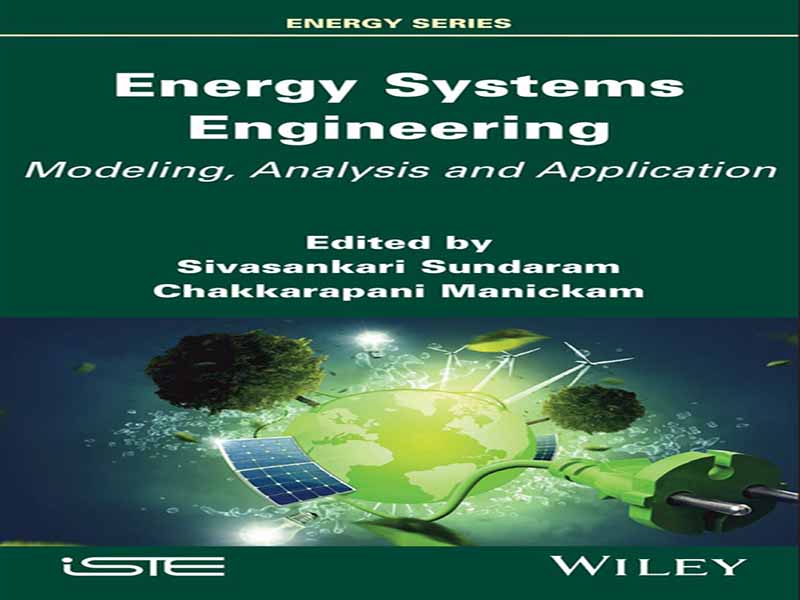
- عنوان کتاب: Energy Systems Engineering Modeling, Analysis and Application
- نویسنده: Sivasankari Sundaram
- حوزه: زیرساخت انرژی
- سال انتشار: 2026
- تعداد صفحه: 331
- زبان اصلی: انگلیسی
- نوع فایل: pdf
- حجم فایل: 18.0 مگابایت
جهانی شدن یک ملت از طریق برآورده کردن نیازهای بخشی در یک اقتصاد آشکار میشود و به طور قابل توجهی با استقرار سیستمهای انرژی تسهیل میشود. تعادل مصرف و تولید یک سیستم انرژی، یک جامعه پایدار را تعیین میکند. با این حال، روندهای اخیر در صنعتی شدن، سیستم انرژی را به یک شبکه پیچیده با مسائل عمیق جهانی پایدار تبدیل کرده است. پرداختن به چالشهای مربوط به عدم قطعیتهای عرضه انرژی و شبکه تقاضا نیازمند یک رویکرد جامع شامل ابزارهای مشخص – مدلهایی برای تخمینهای قبل و بعد – است. فقدان یا دانش محدود از ابزارهای کمی منجر به استهلاک در توسعه صنعتی، فناوری و اقتصادی میشود. این امر منجر به عدم برنامهریزی استراتژیک، تخصیص منابع، پذیرش فناوریهای جدید، مدیریت ریسک، بهینهسازی فرآیند، توسعه و ارزیابی سیاست میشود. بنابراین، ادغام ابزارهای کمی برای به حداکثر رساندن پتانسیل و در نتیجه تقویت و بهرهگیری از توسعه صنعتی، فناوری و اقتصادی ضروری است. دانش فنی برای توسعه چنین ابزارهای طراحی را میتوان از طریق مدلسازی عمیق، تجزیه و تحلیل و کاربرد رویکردهای سیستمهای انرژی، که به عنوان اجزای واقعی توسعه اجتماعی عمل میکنند، تحقق بخشید. با درک نیاز فعلی، تلاشهایی برای مدلسازی رویکردهای سیستمهای انرژی صورت گرفته است. با این حال، اصل سنتی، وضعیت روشن کاربرد رویکرد مشخص شده، توسعه مدل دقیق و اعتبارسنجی هنوز فاقد چارچوب روشنی هستند و ظاهراً طاقتفرسا هستند. بنابراین، این کتاب بر اصول اساسی و کاربرد ثانویه روششناسیها که منجر به توسعه دقیق مدل برای سیستمهای انرژی میشود، تمرکز دارد. دامنه کتاب پیشنهادی شامل طبقهبندی مفصلی از رویکردهای اصلی، رویه کلی برای توسعه مدل، تجزیه و تحلیل مدل خاص با توجه به یک سیستم انرژی مورد نظر و توسعه ابزار طراحی است. هدف آن ارائه پایه محکمی در اصول اساسی است که زیربنای مدلها و تجزیه و تحلیل انرژی هستند. این کتاب یک رویکرد ساختاریافته در مدلسازی سیستم انرژی ارائه میدهد که بر وضوح در درک و الهام بخشیدن به تحقیقات آیندهنگر تأکید دارد و برجستهترین بخش این کتاب را تشکیل میدهد. این کتاب به عنوان یک راهنمای جامع برای درک پیچیدگیها و پویایی سیستمهای انرژی با کاربردهای مختلف عمل میکند و خوانندگان را به دانش ضروری برای پیمایش چالشها و فرصتها در این زمینه حیاتی مجهز میکند. این کتاب همچنین بهبودهای عملکردی ارزشمندی را در سیستمهای انرژی ارائه میدهد که منجر به اهداف توسعه پایدار میشود. این کتاب به عنوان یک منبع آموزشی برای دانشجویان، محققان و متخصصانی که به دنبال تعمیق درک خود از مدلسازی سیستمهای انرژی هستند، عمل میکند. انگیزهی نگارش این کتاب، پر کردن شکاف موجود در تحقیقات گزارششده است که شامل پوشش محدود اصول موجود و فقدان رویکردی ساختاریافته شامل روشهای بنیادی و کاربردی برای مدلسازی سیستمهای انرژی میشود. این کتاب یک چارچوب مفهومی ایجاد میکند و پوشش جامعی در حوزه مطالعات سیستمهای انرژی ارائه میدهد. به عنوان هماهنگکنندهی دوره در دانشگاههای تحقیقاتی، هنوز شناسایی و ارجاع یک کتاب درسی واحد که به طور کافی تمام مباحث مدلسازی و تحلیل سیستمهای انرژی را پوشش دهد و راه را برای تحقیقات آیندهنگر هموار کند، برایم دشوار است. همچنین، با توجه به علاقهی روزافزون دولتها به گذار انرژی و پایداری، نقش یک منبع آماده و آموزنده بسیار ارزشمند خواهد بود. این کتاب ویرایششده به طور مرتب شکاف موجود را برای ارزیابی تأثیر و پیشنهاد استراتژیهایی برای دستیابی به اهداف انرژی پایدار پر میکند. این سهم برای توسعهدهندگان مدرن باتجربه و ذهنهای جوان بسیار ارزشمند خواهد بود. برای توسعهدهندگان باتجربه، منابع پیشنهادی، روشها و بینشهای بهروزی را ارائه میدهند که شیوهها و فرآیندهای تصمیمگیری فعلی آنها را بهبود میبخشد. در همین حال، برای محققان و دانشجویان جوان، این منابع به عنوان دانش بنیادی عمل میکنند و آنها را به کاوش و نوآوری در زمینهی گذار انرژی و پایداری ترغیب میکنند. این کتاب برای مخاطبانی مناسب است که به دنبال درک کلی از سیستم فیزیکی هستند و هدفشان بهبود و بهینهسازی فرآیند است. فصلها شامل نیاز به مدلهای سیستم انرژی، رویکردهای بهروز و پیشرفته برای توسعه مدل، انتخاب روششناسی مناسب، کاربرد رویکردها در سیستمهای انرژی و مطالعات موردی است. فصلهای ۱ تا ۵ بر استراتژیهای مدلسازی، کنترل و بهینهسازی با هدف بهبود عملکرد فنی و اقتصادی سیستمهای مختلف انرژی تمرکز دارند. فصلهای ۶ تا ۷ به بررسی دقیق توسعه مدلهای دیجیتال برای سیستمهای انرژی پویا میپردازند. فصلهای ۸ و ۹ جنبههای انتخابی کاربرد سیستم انرژی را بررسی میکنند. این کتاب با اقتباس از یک چارچوب ساختاریافته، این ظرفیت را به یک دانشجوی فارغالتحصیل جوان و پرجنبوجوش میدهد تا به محققی با درک کامل از مجموعه مهارتهای درگیر در مدلسازی، تبدیل شود.
Globalization of a nation manifests through the fulfillment of sectorial needs in an economy and is significantly facilitated by the deployment of energy systems. The consumption and production balance of an energy system determines a sustainable society. However, the recent trends in industrialization have intricated the energy system to a complex network with profound global sustainable issues. Addressing the challenges on uncertainties of energy supply and the demand network requires a holistic approach involving concrete tools – models for pre- and post-estimations. The absence of, or limited knowledge of the quantitative tools leads to depreciation in industrial, technological and economic development. This results in a lack of strategic planning, resource allocation, adoption of new technologies, risk management, process optimization, policy development and assessment. So, the integration of quantitative tools is indispensable for maximizing potential, thereby fostering and leveraging industrial, technological and economic development. The know-how towards the development of such design tools can be realized through in-depth modelling, analysis and application of approaches for energy systems, which act as true components of societal development. On understanding the current need, there have been attempts to model approaches for energy systems. However, the traditional principle, clear state of application of the specified approach, detailed model development and validation still lack a clear framework and are apparently overwhelming. Therefore, this book focuses on fundamental principles and the secondary application of methodologies resulting in accurate model development for energy systems. The scope of the proposed book includes detailed a classification of principle approaches, general procedure for model development, analysis of the specific model with respect to a considered energy system and design tool development. It aims to provide its readers with a solid foundation in the fundamental principles that underpin energy models and analysis. The book offers a structured approach in energy system modelling emphasizing clarity in understanding and inspiring futuristic research forming the highlight of this book. It serves as a comprehensive guide for understanding the complexities and dynamics of energy systems of different applications, equipping readers with essential knowledge to navigate the challenges and opportunities in this critical field. The book also offers invaluable performance improvements in energy systems leading to sustainable development goals. This book serves as an educational resource for students, researchers, professionals seeking to deepen their understanding of energy systems modelling. The motivation behind this book is to bridge the gap in the reported research, which include limited coverage of existing principles and lack a structured approach involving fundamental and applied methodologies for energy system modelling. It establishes a conceptual framework and provides comprehensive coverage in the arena of energy system studies. As a course coordinator at research universities, I still find it difficult to identify and refer a single textbook that sufficiently covers all the topics of energy systems modelling and analysis paving the way for futuristic research. Also, with the seemingly increasing interest of Governments towards energy transition and sustainability, the role of a well-prepared and informative source will be invaluable. This edited book neatly fills the gap to assess impact and propose strategies for achieving sustainable energy goals. The contribution will be of great value for experienced modern developers and young minds alike. For seasoned developers, the proposed resources provide updated methodologies and insights that enhance their current practices and decision-making processes. Meanwhile, for young researchers and students, these sources serve as foundational knowledge, motivating them to explore and innovate in the field of energy transition and sustainability. This book reaches out to audiences who seek a general understanding of the physical system and aim for process improvement and optimization. The chapters encompass the need for energy system models, updated and state of the art approaches towards model development, selection of the appropriate methodology, application of the approaches to energy systems and case studies. Chapters 1 to 5 focus on modeling, control, and optimization strategies aimed at improving the technical and economic performance of various energy systems. Chapters 6 to 7 scrutinize the development of digital models for dynamic energy systems. Chapters 8 and 9 explore the selective aspects of energy system application. This book adapts a structured framework, giving it the capacity to develop a young and vibrant graduate student into a researcher with a thorough understanding of the skill sets involved in modelling, validation and finally process optimization. This book benefits energy engineers, energy planners, energy stake holders, academic professionals and researchers in the energy domain.
این کتاب را میتوانید از لینک زیر بصورت رایگان دانلود کنید:
Download: Energy Systems Engineering Modeling, Analysis and Application















نظرات کاربران