



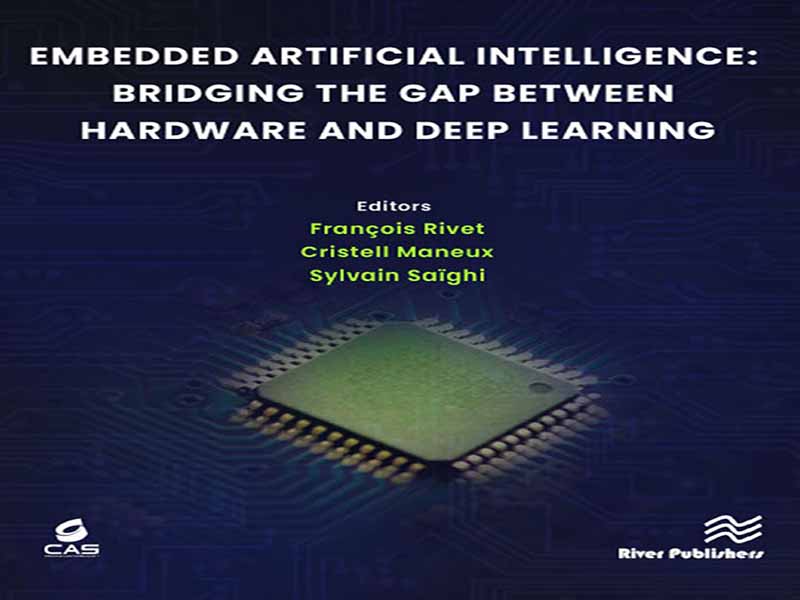
- عنوان کتاب: Embedded Artificial Intelligence Bridging -the Gap Between Hardware and Deep Learning
- نویسنده: François Rivet, Cristell Maneux, Sylvain Saïghi
- حوزه: فناوریهای تعبیه شده
- سال انتشار: 2026
- تعداد صفحه: 219
- زبان اصلی: انگلیسی
- نوع فایل: pdf
- حجم فایل: 10.9 مگابایت
مدرسه فصلی فناوریهای هوش مصنوعی IEEE CAS با هدف پرداختن به شکاف مهارتی عظیم بین فناوریهای نهفته و کاربردهای یادگیری عمیق برگزار میشود. این رویداد که توسط سه پروژه اروپایی H2020، شامل FVLLMONTI، HERMES و Radio Spin پشتیبانی میشود، مجموعهای از رویدادها را برای جامعه بین رشتهای هوش مصنوعی نهفته رقم میزند. برنامههای فعلی هوش مصنوعی و یادگیری عمیق به منابع محاسباتی قابل توجهی نیاز دارند که اغلب امنیت و حریم خصوصی را به خطر میاندازند. هوش مصنوعی نهفته با اجرای مدلهای یادگیری ماشینی روی دستگاههای لبه، راهحلی ارائه میدهد. این امر مستلزم ادغام راهحلهای نرمافزاری و سختافزاری با مدلهای یادگیری ماشینی بهینه شده و توسعه سختافزار سبک و کممصرف برای شبکههای عصبی است. مدرسه فصلی فناوریهای هوش مصنوعی IEEE CAS شرکتکنندگان را به مهارتهای بین رشتهای برای نوآوری در معماری مدار و اجرای برنامههای فشرده داده روی دستگاههای با منابع محدود مجهز میکند. ماهیت بین رشتهای این مدرسه تابستانی در برنامه درسی جامع آن منعکس شده است که موضوعاتی از ساخت و توصیف تا طراحی و شبیهسازی دستگاههای نورومورفیک را پوشش میدهد. شرکتکنندگان در این دوره، بینشهایی در مورد جنبههای سختافزاری شبکههای عصبی کسب کردند و بر ویژگیهای مقدماتی شبکههای عصبی، بهبود سختافزار با استفاده از هوش مصنوعی، توصیف الکتریکی عملکرد، طراحی سلول منطقی، شبیهسازی و کاوش سیستم، TCAD و مدلسازی فشرده با استفاده از طرحبندی سهبعدی، ساخت ترانزیستورهای عمودی Gate All Around (GAA)، اسپینترونیک برای شتابدهندههای سختافزاری شبکه عصبی، 6G: طراحی فرستنده-گیرندههای پیادهسازی شده در یک سیستم خودمختار، ارتباطات در فرکانسهای زیر تراهرتز در فناوری CMOS، معماری ترانسفورماتور برای ترجمه ماشینی و پردازش گفتار و کاربردهای آن در تشخیص اثر انگشت RF و سرطان سینه تمرکز کردند. برنامه مدرسه تابستانی با محتوای بنیادی در مورد لایههای فناوری آغاز میشود و به طراحی مدار، پیادهسازی شبکه عصبی و کاربردهای خاص میرسد. روز دوم شامل جلسات موازی با دسترسی محدود به اتاق توصیف برای اندازهگیری روی ویفر است که برای یادگیری متمرکز به گروههایی تقسیم میشوند.
The IEEE CAS Seasonal School on Technologies for Artificial Intelligence aims to address the massive skill gap between embedded technology and deep learning applications. Supported by three H2020 European projects, including FVLLMONTI, HERMES, and Radio Spin, the happening marks a series of events for the transdisciplinary community of Embedded Artificial Intelligence. Current Al and deep learning applications demand substantial computing resources, often compromising security and privacy. Embedded Artificial Intelligence offers a solution by executing machine learning models on edge devices. This requires integrating software and hardware solutions with optimized machine learning models and developing lightweight, energy efficient hardware for neural networks. The IEEE CAS Seasonal School on Technologies for Artificial Intelligence equips participants with the interdisciplinary skills to innovate in circuit architectures and execute data intensive applications on resource-constrained devices. The summer school’s interdisciplinary nature is reflected in its comprehensive curriculum, covering topics from fabrication and characterization to neuromorphic device design and simulation. Participants gained insights into hardware aspects of neural networks, focusing on introductory features of neural networks, hardware enhancement using Artificial Intelligence, electrical characterization of functionality, logic cell design, system simulation and exploration, TCAD and compact modeling using 3D layout, fabrication of vertical Gate All Around (GAA) transistors, spintronics for hardware neural network accelerators, 6G: design of transceivers implemented in an autonomous system, communications at sub-THz frequencies in CMOS technology, transformer architectures for machine translation and speech processing, and applications in recognition of RF fingerprints and breast cancer. The summer school’s program starts with foundational content on technology layers, advancing to circuit design, neural network implementation, and specific applications. Day two features parallel sessions with limited access to the characterization room for on-wafer measurement, divided into groups for focused learning.
این کتاب را میتوانید از لینک زیر بصورت رایگان دانلود کنید:















نظرات کاربران