



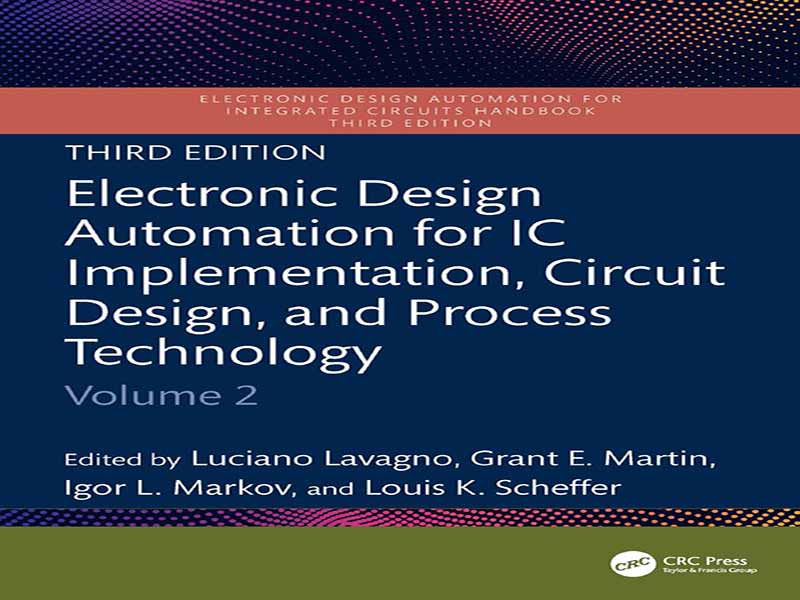
- عنوان کتاب: EDA for IC Implementation, Circuit Design, and Process Technology
- نویسنده: Luciano Lavagno, Louis Scheffer
- حوزه: طراحی چیپ
- سال انتشار: 2026
- تعداد صفحه: 1306
- زبان اصلی: انگلیسی
- نوع فایل: pdf
- حجم فایل: 67.3 مگابایت
وقتی گروه تیلور و فرانسیس (CRC Press) برای اولین بار بهروزرسانی ویرایش دوم کتاب راهنمای EDA در سال ۲۰۱۵ را پیشنهاد داد، متوجه شدیم که یک دهه دیگر در صنعت الکترونیک گذشته است، تقریباً یک دوره کامل به معنای زمینشناسی. ما موافقت کردیم که تغییرات در EDA و روشهای طراحی، بهروزرسانی دیگری را که هر یک دهه یک بار انجام میشود، ایجاب میکند و از گروه نویسندگان ویرایش دوم خود خواستیم که فصلهای خود را بهروزرسانی کنند. تقسیمبندی اولیه ما از موضوعات به «front end» و «back end» هنوز هم به خوبی کار میکرد. علاوه بر این، فهرست فصلهای ویرایش دوم برای موضوعات جدیدی مانند چیپلتهای AI/ML و RISC-V کارساز بود و بنابراین، این موضوعات نیازی به فصلهای جدید نداشتند. یافتن همه نویسندگان ویرایش دوم یک چالش بود. برخی بازنشسته شده یا از صنعت خارج شده بودند، برخی به نقشهای کاملاً جدیدی نقل مکان کرده بودند و برخی آنقدر مشغول بودند که نمیتوانستند به بازنگری فکر کنند. متأسفانه برخی فوت کرده بودند – که در ۲۰ سال گذشته از ویرایش اول غیرمنتظره نبود، اما بسیار تأسفبار بود. با این حال، بسیاری هنوز در دسترس بودند و از تجدیدنظر در فصلهای خود خوشحال بودند. در صورت لزوم، نویسندگان جدیدی را برای بهروزرسانی اکثر فصلها استخدام کردیم و تغییرات عمدهای را که در طول دهه گذشته رخ داده است، برجسته کردیم. ما فهرست مشارکتکنندگان را تا جایی که میتوانستیم، بهروزرسانی کردهایم تا وضعیت فعلی را منعکس کنیم. لینکدین کمک بزرگی بوده است، حتی اگر نیاز به بررسی مجدد داشته باشد. به نظر میرسد نقل قول از مقدمه ویرایش اول اصلی ما مناسب باشد: «با نگاهی به وضعیت الکترونیک و طراحی مدار مجتمع در سالهای ۲۰۰۵-۲۰۰۶، میبینیم که ممکن است به زودی وارد یک دوره بزرگ از تغییر در این رشته شویم.» و «با بررسی بیشتر، مشخص است که رویکردهای فعلی EDA هنوز عمر زیادی دارند.» این یافته مداوم ما در انجام این ویرایش بوده است. برخی تغییرات نسبتاً انقلابی هنوز در راه است، اما تا حد زیادی، اکثر الگوریتمها، ابزارها و روشهای EDA در طول دهه گذشته تغییرات تکاملی، نه انقلابی، را پشت سر گذاشتهاند. بیشتر بهروزرسانیهای اصلی، هم در مراحل اولیه جریان طراحی، که در آن سطح انتزاع به منظور پشتیبانی از قابلیتهای بیشتر با هزینههای کمتر NRE، همچنان در حال افزایش است، و هم در مراحل نهایی، که در آن پیچیدگی ناشی از هندسههای کوچکتر و کوچکتر با پیشرفت آهسته لیتوگرافی با طول موج کوتاهتر ترکیب میشود، رخ دادهاند. یادگیری ماشین، مانند هر چیز دیگری در زندگی ما، با بهرهبرداری از دههها دادهها و تجربه طراحی و کمک به طراحان برای ارائه مدارهای بزرگتر، کارآمدتر و پیچیدهتر به بازار، بر این حوزه نیز تأثیر گذاشته است. چالشهای عمدهای که صنعت EDA و محققان با آن مواجه هستند، چندان نیازی به بازنگری دانش انباشتهشده قبلی ندارند، بلکه بیشتر مستلزم بهکارگیری آن به روشهای جدید و در برخی موارد، توسعه رویکردهای جدید هستند. امیدواریم خوانندگان از عمق بهبود یافته و پوشش موضوعی گستردهتر ارائه شده توسط ویرایش سوم لذت ببرند.
When Taylor & Francis Group (CRC Press) first suggested an update to the 2015 second edition of the EDA Handbook, we realized that another decade had passed in the electronics industry, almost a complete era in the geological sense. We agreed that the changes in EDA and design methods warranted another once-in-a-decade update and asked our second edition group of authors to update their chapters. Our original division of topics into “front end” and “back end” still seemed to work well. In addition, the list of chapters from the second edition worked for new topics such as AI/ML chiplets and RISC-V, and so, these topics did not require new chapters. Finding all the second edition authors was a challenge. Some had retired or moved out of the industry, some had moved to completely new roles, and some were just too busy to contemplate a revision. Some, very unfortunately, had passed away—not unexpected in the 20 years since the first edition, but very regrettable. However, many were still available and happy to revise their chapters. Where appropriate, we recruited new coauthors to update most chapters, highlighting the major changes that occurred during the last decade. We have updated the contributor lists to reflect the current status, as far as we could determine. LinkedIn has been a big help, even if it needs double-checking. It seems appropriate to quote from our original first edition preface: “As we look at the state of electronics and IC design in 2005–2006, we see that we may soon enter a major period of change in the discipline.” And “Upon further consideration, it is clear that the current EDA approaches have a lot of life left in them.” This has been our continued finding in doing this revision. Some rather revolutionary changes are still coming, but to a great extent, most of the EDA algorithms, tools, and methods have gone through evolutionary, rather than revolutionary, change over the last decade. Most of the major updates have occurred both in the initial phases of the design flow, where the level of abstraction keeps rising in order to support more functionality with lower NRE costs, and in the final phases, where the complexity due to smaller and smaller geometries is compounded by the slow progress of shorter wavelength lithography. Machine learning has been affecting this field, like everything else in our lives, by capitalizing on decades of design data and experience and helping designers bring larger, more performant, and more complex circuits to market ever faster. Major challenges faced by the EDA industry and researchers do not so much require revising previously accumulated knowledge, but rather stimulate applying it in new ways and, in some cases, developing new approaches. We hope that the readers enjoy the improved depth and the broader topic coverage offered by the third edition.
این کتاب را میتوانید از لینک زیر بصورت رایگان دانلود کنید:
Download: EDA for IC Implementation















نظرات کاربران