



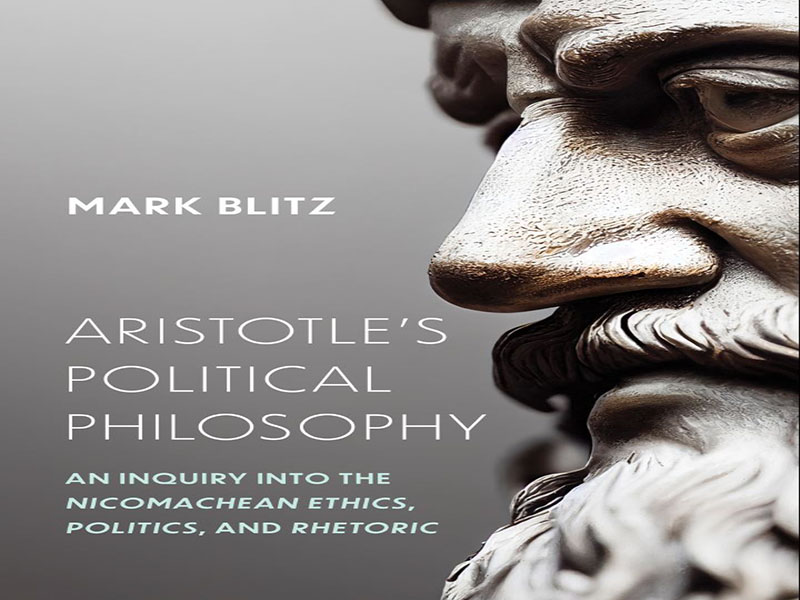
- عنوان کتاب: Aristotles Political Philosophy An Inquiry into the Nicomachean Ethics, Politics, and Rhetoric
- نویسنده: Mark Blitz
- حوزه: ارسطو
- سال انتشار: 2026
- تعداد صفحه: 221
- زبان اصلی: انگلیسی
- نوع فایل: pdf
- حجم فایل: 2.89 مگابایت
پدیدههای اخلاقی و سیاسی که ارسطو بررسی میکند، نقطه شروع همه اقدامات و درک سیاسی هستند. هدف اول من روشن کردن این پدیدهها است. هدف دوم و مرتبط من، بررسی دیدگاه ارسطو در مورد آنها، در یک اثر واحد است. ارسطو اولین متفکری است که مستقیماً به این پدیدهها با اصطلاحات خودشان میپردازد. او در کمک به ما برای پراکنده کردن ابهام معاصر که آنها را مبهم یا تحریف میکند، حیاتی است. هدف سوم من بررسی این است که آیا نظرات و نهادهای امروزی اهمیت پدیدههایی را که ارسطو به آنها میپردازد یا حقیقت درک او را نفی میکنند یا خیر. ارسطو استدلال میکند که سعادت عملی از طریق فضیلت اخلاقی حاصل میشود و فضیلت با عقل عملی و نظم طبیعی و عقلانی قابل فهم از تعالی سیاسی مرتبط است. اما امروزه بسیاری معتقدند که سعادت صرفاً در ارضای میل است. برخی دیگر ادعا میکنند که قضاوت و معنا در هویتهای مختلف گروهی رقیب محصور شدهاند. و برخی ادعا میکنند که اخلاق شامل قوانین جهانی است که باید رفتار را مهار کنند اما سعادت را تشکیل نمیدهند. ارسطو همچنین استدلال میکند که قلب سیاست، شکل حکومت (یا «رژیم») یک جامعه و ادعاهای رقیب برای حکومت افراد با فضیلت، ثروتمند و به همان اندازه آزاد است. اما ظاهراً امروزه ما به صورت دموکراتیک از طریق احزاب سیاسی رسمی و مشروع و بوروکراسیهای اداری گسترده اداره میشویم و توسط نهادهای «خصوصی» وسیعی که تجارت، آموزش و افکار عمومی را شکل میدهند، هدایت میشویم. در هر صورت، ارسطو زندگی سیاسی شهرهای بردهدار را با شاید حداکثر ۴۰۰۰۰ شهروند و ۱۵۰۰۰۰ نفر جمعیت مطالعه میکند، نه کشورهایی با جمعیت دهها یا صدها میلیون نفر. پس چگونه آنچه او بررسی میکند هنوز میتواند مهم باشد؟ در این زمینهها و موارد دیگر، نشان میدهم که چگونه آنچه ارسطو بررسی میکند، مبنایی برای درک و ارزیابی زندگی عملی باقی میماند.۱ دیدگاه ارسطو در مورد اخلاق و سیاست قدرتمند است زیرا آنچه را که هنوز یا لزوماً متعلق به درک و عمل مشترک است، آشکار میکند. پدیدههایی که او مورد بحث قرار میدهد به ما این امکان را میدهد که آنچه را که بدیهی میدانیم اما درک نمیکنیم یا به آن فکر نمیکنیم و آنچه که مسدود شده اما هنوز اساسی است، روشن کنیم. او آشکار میکند که این پدیدهها چیستند و چگونه برای اولین بار در تأمل فلسفی ظاهر میشوند. من در مورد اخلاق نیکوماخوس، سیاست و بلاغت ارسطو بحث میکنم. من در مورد این آثار اظهار نظری نمیکنم، بلکه پدیدههای اصلی را که آنها آشکار میکنند، بررسی میکنم. بنابراین، من گاهی اوقات از شواهدی از یک اثر برای روشن کردن آنچه در اثر دیگر گفته شده است استفاده میکنم و در صورت لزوم برای سطوح مختلف استدلالهای ارسطو، آنها را تنظیم میکنم. بیشتر تحلیلهای من، اما نه همه آنها، از ترتیب ارائه او در سه اثر پیروی میکنند و کتابم را به سه بخش «فضیلت»، «سیاست» و «گفتار» تقسیم میکنم. من معمولاً بخشی از ارائه او را خلاصه میکنم و سپس با بحثی دنبال میکنم. اخلاق، سیاست و خطابه ارسطو قصد بهبود عمل را دارند، اما مبتنی بر مشاهده یا تأمل هستند. اینگونه است که ارسطو فعالیت خود را در سراسر آثارش توصیف میکند. در واقع، او پیشنهاد میکند که زندگی مبتنی بر مشاهده یا حداقل زندگیای که مسائل خاصی را مشاهده میکند، شادترین و الهیترین یا خالصترین زندگی انسانی است. بنابراین، قصد ارسطو در آثار عملیاش صرفاً بهبود اعمال ما نیست. او همچنین قصد دارد فعالیت نظری را پیش ببرد و بنابراین اغلب در مورد مسائلی (مانند فضایل مختلف فکری، لذت و دوستی) فراتر از آنچه که به نظر میرسد بهبود عمل عادی نیاز دارد، بحث میکند.
The ethical and political phenomena that Aristotle examines are the starting point for all political action and understanding. My first purpose is to clarify these phenomena. My second, related purpose is to explore Aristotle’s view of them, in a single work. Aristotle is the first thinker to address these phenomena directly in their own terms. He is vital in helping us disperse the contemporary haze that obscures or distorts them. My third purpose is to examine whether today’s opinions and institutions negate the importance of the phenomena Aristotle addresses or the truth of his understanding. Aristotle argues that practical happiness is achieved through ethical virtue and that virtue is linked to practical reason and to a natural, rationally comprehensible order of political excellence. But many today believe that happiness consists simply in satisfying desire. Others claim that judgment and meaning are encapsulated within various competing group identities. And some claim that morality consists of universal rules that should restrain behavior but do not constitute happiness. Aristotle also argues that the heart of politics is a community’s form of government (or “regime”) and the competing claims to rule of the virtuous, wealthy, and equally free. But we today apparently are governed democratically through formal, legitimate political parties and extensive administrative bureaucracies and directed by vast “private” institutions that shape commerce, education, and public opinion. In any event, Aristotle studies the political life of slave-holding cities with perhaps at most 40,000 citizens and 150,000 inhabitants, not countries with populations in the tens or hundreds of millions. How, then, can what he examines still be significant? In these areas and others, I show how what Aristotle examines remains the basis on which to understand and evaluate practical life.1 Aristotle’s view of ethics and politics is powerful because it uncovers what still, or necessarily, belongs to common understanding and action. The phenomena he discusses allow us to clarify what we take for granted but do not appreciate or think through and what has become occluded but is still fundamental. He makes evident what these phenomena are and how they first appear to philosophical reflection. I discuss Aristotle’s Nicomachean Ethics, Politics, and Rhetoric. I do not offer commentaries on these works but explore the central phenomena they bring to light. I therefore sometimes use evidence from one work to clarify what is said in another, adjusting as necessary for different levels in Aristotle’s arguments. Most but not all of my analyses follow the order of his presentation in the three works, and I divide my book into three parts, “Virtue,” “Politics,” and “Speech.” I usually summarize a portion of his presentation and then follow with a discussion. Aristotle’s Ethics, Politics, and Rhetoric intend to improve action, but they are based on observation or contemplation. This is how Aristotle describes his activity throughout the works. Indeed, he suggests that a life of observation or at least one that observes certain matters is the happiest and most divine, or pure, human life. So Aristotle’s intention in his practical works is not merely to improve our actions. He also means to advance theoretical activity, and he therefore often discusses matters (such as the various intellectual virtues, pleasure, and friendship) beyond what improving ordinary practice seems to require.
این کتاب را میتوانید از لینک زیر بصورت رایگان دانلود کنید:
Download: Aristotles Political Philosophy
















نظرات کاربران