



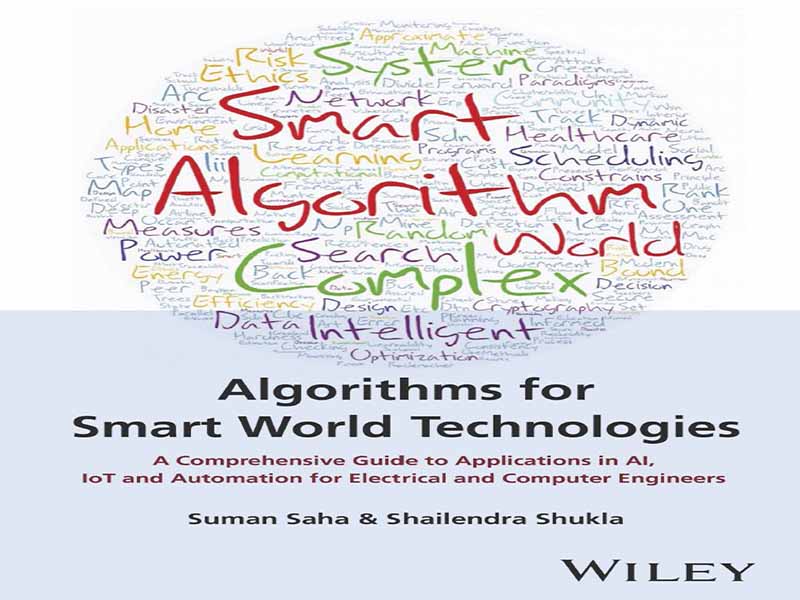
- عنوان کتاب: Algorithms for Smart World Technologies -A Comprehensive Guide to Applications in AI
- نویسنده: Suman Saha, Shailendra Shukla
- حوزه: الگوریتمهای هوش مصنوعی
- سال انتشار: 2026
- تعداد صفحه: 275
- زبان اصلی: انگلیسی
- نوع فایل: pdf
- حجم فایل: 4.74 مگابایت
پیشرفتهای سریع فناوری در چند دهه گذشته، جهان ما را اساساً تغییر شکل داده و آن را به عصری رسانده است که اکنون آن را به عنوان جهان هوشمند میشناسیم. از شهرهای هوشمند و حمل و نقل هوشمند گرفته تا مراقبتهای بهداشتی شخصیسازی شده و کشاورزی دقیق، این الگوی جدید توسط سیستمهای پیچیده، دستگاههای به هم پیوسته و مقادیر زیادی داده هدایت میشود. در قلب این تحول، الگوریتمها قرار دارند – ابزارهای قدرتمندی که تصمیمگیری، بهینهسازی، پیشبینی و ارتباط کارآمد را در مواجهه با پیچیدگیهای عظیم امکانپذیر میکنند. این کتاب، الگوریتمهایی برای فناوریهای جهان هوشمند، با دقت تدوین شده است تا به عنوان یک راهنمای جامع برای درک و استفاده از الگوریتمهایی که جهان هوشمند را قدرتمند میکنند، عمل کند. این رساله به سه بخش اصلی تقسیم شده است که هر کدام به جنبههای متمایز اما به هم پیوسته طراحی الگوریتمی، پیچیدگی و کاربرد در فناوریهای مدرن میپردازند. هدف ما این است که مبانی مفهومی، بینشهای عملی و پیشرفتهای پیشرفته مورد نیاز برای برتری در این زمینه پویا و به سرعت در حال تحول را در اختیار دانشجویان، محققان و متخصصان قرار دهیم. بخش اول: پیچیدگیهای الگوریتمهای هوشمند بخش اول کتاب به پیچیدگیهای ذاتی مرتبط با الگوریتمها در جهان هوشمند میپردازد. فصل ۱ مقدمهای اساسی بر مفهوم پیچیدگی ارائه میدهد و به بررسی نمودهای آن در سیستمهای پیچیده، ویژگیهای کلیدی، چالشها و جهتگیریهای تحقیقاتی آینده میپردازد. فصلهای بعدی موضوعاتی مانند پیچیدگی محاسباتی (فصل ۲)، پیچیدگی ارتباطی (فصل ۳) و پیچیدگی دادهها (فصل ۴) را بررسی میکنند و بینشهایی در مورد چگونگی شکلگیری عملکرد الگوریتمی توسط این پیچیدگیها ارائه میدهند. فصل ۵ معیارهای ریسک را معرفی میکند و به مسائل مهمی مانند سوگیری الگوریتمی، انصاف و محاسبات سبز میپردازد، در حالی که فصل ۶ این بخش را با بحثی عمیق در مورد مرزهای اخلاقی تصمیمگیری الگوریتمی و اخلاق به پایان میرساند. بخش دوم: پارادایمهای الگوریتمی برای فناوریهای دنیای هوشمند بخش دوم تمرکز را به پارادایمهای اصلی الگوریتمی که زیربنای فناوریهای دنیای هوشمند هستند، معطوف میکند. فصل ۷ مضامین کلی الگوریتمهای هوشمند، از جمله یادگیری ماشین، بهینهسازی، الگوریتمهای اینترنت اشیا (IoT) و نقشه راه آنها برای مقیاسپذیری، امنیت و پایداری را معرفی میکند. فصلهای بعدی مباحث تخصصی مانند الگوریتمهای بهینهسازی (فصل ۸)، تکنیکهایی مانند بهینهسازی محدب و برنامهریزی خطی، و الگوریتمهای تصمیمگیری (فصل ۹)، یادگیری تقویتی و فرآیندهای تصمیمگیری مارکوف را ارائه میدهند. فصل ۱۰ به الگوریتمهای پیشبینی، از جمله رگرسیون، طبقهبندی، الگوریتمهای بیزی و شبکههای عصبی میپردازد، در حالی که فصل ۱۱ الگوریتمهای امن را با تأکید بر پروتکلهای رمزنگاری، بلاکچین و امضاهای دیجیتال مورد بحث قرار میدهد.
The rapid advancements in technology over the last few decades have fundamentally reshaped our world, ushering in an era that we now recognize as the Smart World. From smart cities and intelligent transportation to personalized healthcare and precision agriculture, this new paradigm is driven by complex systems, interconnected devices, and vast quantities of data. At the heart of this transformation lie algorithms—powerful tools that enable efficient decision-making, optimization, prediction, and communication in the face of immense complexity. This book, Algorithms for Smart World Technologies, has been meticulously crafted to serve as a comprehensive guide for understanding and leveraging the algorithms that power the Smart World. The treatise is divided into three major parts, each addressing distinct but interconnected aspects of algorithmic design, complexity, and application in modern technologies. Our goal is to provide students, researchers, and practitioners with the conceptual foundations, practical insights, and cutting-edge advancements needed to excel in this dynamic and rapidly evolving field. Part I: Complexities of Smart Algorithms The first part of the book delves into the inherent complexities associated with algorithms in the Smart World. Chapter 1 provides a foundational introduction to the concept of complexity, discussing its manifestations in complex systems, key features, challenges, and future research directions. Subsequent chapters explore topics, such as computational complexity (Chapter 2), communication complexity (Chapter 3), and data complexity (Chapter 4), offering insights into how these complexities shape algorithmic performance. Chapter 5 introduces risk measures, addressing pressing issues, such as algorithmic bias, fairness, and green computing, while Chapter 6 concludes the section with an in-depth discussion on the ethical boundaries of algorithmic decision-making and morality. Part II: Algorithmic Paradigms for Smart World Technologies The second part shifts focus to the core algorithmic paradigms underpinning Smart World technologies. Chapter 7 introduces the overarching themes of smart algorithms, including machine learning, optimization, Internet of Things (IoT) algorithms, and their roadmap for scalability, security, and sustainability. Subsequent chapters present specialized topics, such as optimization algorithms (Chapter 8), covering techniques like convex optimization and linear programming, and decision-making algorithms (Chapter 9), exploring reinforcement learning and Markov decision processes. Chapter 10 delves into prediction algorithms, including regression, classification, Bayesian algorithms, and neural networks, while Chapter 11 discusses secure algorithms, emphasizing cryptographic protocols, blockchain, and digital signatures.
این کتاب را میتوانید از لینک زیر بصورت رایگان دانلود کنید:
Download: Algorithms for Smart World Technologies
















نظرات کاربران