












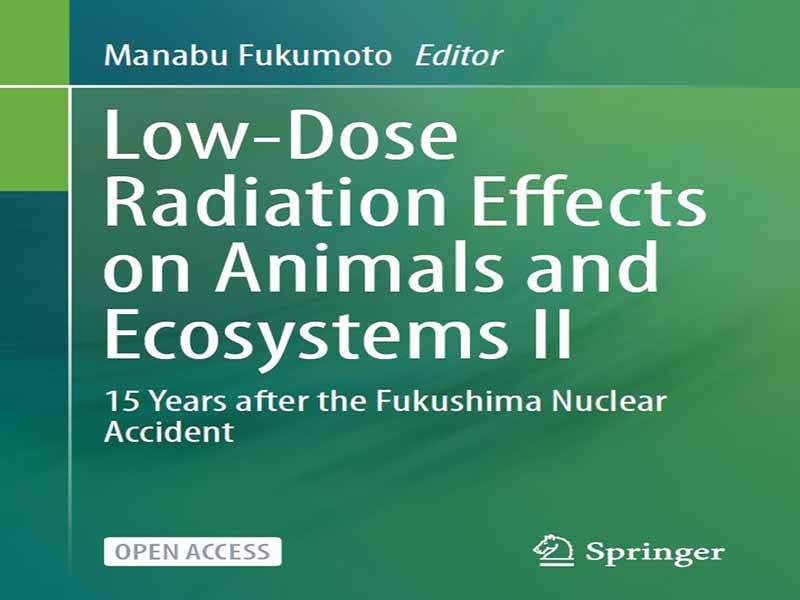
- عنوان کتاب: Low-Dose Radiation Effects on Animals and Ecosystems II -15 Years after the Fukushima Nuclear Accident
- نویسنده: Manabu Fukumoto
- حوزه: پرتوهای هستهای
- سال انتشار: 2026
- تعداد صفحه: 247
- زبان اصلی: انگلیسی
- نوع فایل: pdf
- حجم فایل: 5.73 مگابایت
تقریباً ۱۵ سال از حادثه نیروگاه هستهای فوکوشیما دایایچی (FNPP) میگذرد. با سپری شدن حدود نیمی از دوره نیمهعمر ۳۰ ساله سزیم-۱۳۷ (137Cs)، به نظر میرسد پژوهشهای میدانی پیرامون اثرات زیستی این حادثه به نقطه عطفی مهم رسیدهاند. در فوکوشیما، تلاشها برای پاکسازی و بازسازی در جریان است و وسعت مناطقی که به سطوح بالایی از مواد رادیواکتیو آلوده شدهاند، بهتدریج کاهش مییابد. با این حال، سزیم-۱۳۷ همچنان در محیط پیرامون نیروگاه باقی مانده و به آلوده کردن گیاهان و جانوران ادامه میدهد. کتاب پیشین با عنوان «اثرات پرتوگیری با دوز پایین بر جانوران و اکوسیستمها» که شش سال پیش منتشر شد، به خلاصهای از آلودگی زیستمحیطی ناشی از مواد رادیواکتیو و پیامدهای آن در هشت سال پس از حادثه میپرداخت. کتاب حاضر در ادامه آن اثر تدوین شده و یافتههای جدیدی را در بر میگیرد؛ از جمله نتایج تحلیلهای انجامشده بر روی ماکاکهای ژاپنی (نوعی نخستیسان با ساختار ژنومی بسیار شبیه به انسان). حادثه فوکوشیما بهتدریج در حال محو شدن از خاطرات مردم جهان است؛ اما با وقوع تهاجم روسیه به اوکراین و پیشرفت برنامه موشکهای هستهای کره شمالی، نگرانیها درباره پیامدهای احتمالیِ آلودگی رادیواکتیو ناشی از حملات به راکتورهای هستهای یا انفجار بمبهای اتمی بر محیط زیست و سلامت انسان افزایش یافته است. اعطای جایزه صلح نوبل سال ۲۰۲۴ به سازمان «نیهون هیدانکیو» (کنفدراسیون سازمانهای بازماندگان بمباران اتمی ژاپن) نمونهای بارز و گویای این جریان اجتماعی است. ما برای دستیابی به هدف بسیار دشوارِ درک اثراتِ پرتوگیریِ مداوم با نرخ دوز پایین بر اکوسیستمها و انسانها، مطالعات مستمری را درباره تأثیر حادثه فوکوشیما بر جانوران انجام دادهایم. بر این باوریم که ارائه توصیفی دقیق و علمی از پیامدهای زیستمحیطی این حادثه — بر اساس دانش کنونی ما — برای تعیین گامهای بعدی در مسیر پژوهشهای جاری ضروری است و برای نسلهای آینده نیز سودمند خواهد بود.
Nearly 15 years have passed since the Fukushima Daiichi Nuclear Power Plant (FNPP) accident. With approximately half of the 30-year half-life of cesium-137 (137Cs) having elapsed, fieldwork research into the biological effects of the FNPP accident is thought to be at a major turning point. In Fukushima, decontamination and reconstruction efforts are progressing, and the areas contaminated with high levels of radioactive materials are steadily decreasing. However, 137Cs remains present in the environment surrounding FNPP, continuing to contaminate flora and fauna. The previous book, Low-Dose Radiation Effects on Animals and Ecosystems, published 6 years ago, summarized the environmental contamination caused by radioactive materials and its impacts over the 8 years following the accident. This book is a sequel that adds new findings, including analysis results of wild Japanese macaques, primates with a genome structure very similar to humans. The FNPP accident is gradually fading from the memories of people around the world. However, with Russia’s invasion of Ukraine and North Korea’s nuclear missile program, concerns are growing about the future impact on the environment and human health from radioactive contamination caused by nuclear reactor attacks and atomic bombs. As a reflection of this social current, an illustrative example is the awarding of the Nobel Peace Prize for 2024 to Nihon Hidankyo (the Japan Confederation of A-and H-Bomb Sufferers Organizations). To achieve the extremely challenging goal of understanding the effects of sustained low-dose-rate radiation exposure on ecosystems and humans, we have been conducting ongoing study into the impact of the FNPP accident on animals. We believe that a scientifically accurate description of the ecological impacts of the accident, as we currently understand them, is essential for considering what steps should be taken to further our ongoing research, and will be beneficial for future generations.
این کتاب را میتوانید از لینک زیر بصورت رایگان دانلود کنید:
Download: Low-Dose Radiation Effects on Animals and Ecosystems II


























نظرات کاربران