



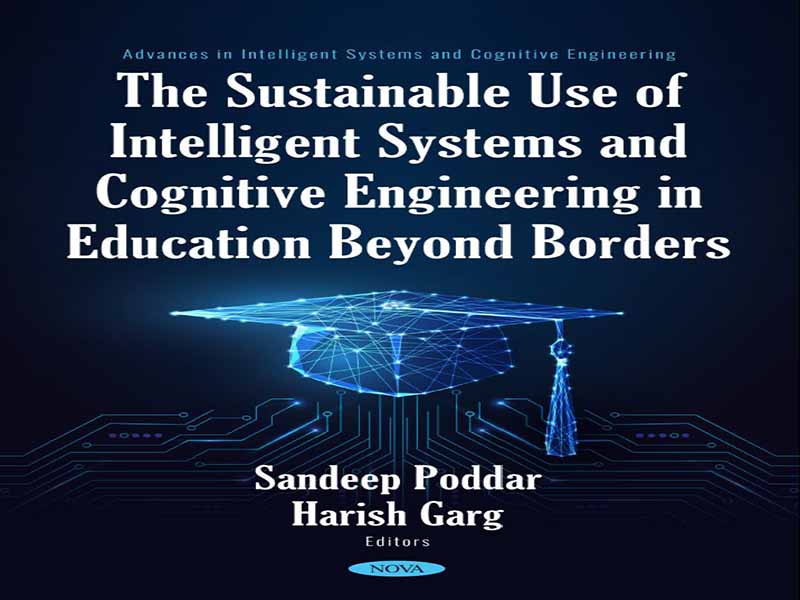
- عنوان کتاب: Sustainable Use of Intelligent Systems and Cognitive Engineering in Education
- نویسنده: Frank Columbus
- حوزه: آموزش هوشمند
- سال انتشار: 2026
- تعداد صفحه: 304
- زبان اصلی: انگلیسی
- نوع فایل: pdf
- حجم فایل: 10.8 مگابایت
کتاب حاضر، «استفاده پایدار از سیستمهای هوشمند و مهندسی شناختی در آموزش فراتر از مرزها» به جنبههایی از سیستمهای آموزشی هوشمند میپردازد و بر ویژگیهای نوآورانه چنین سیستمهایی در مقایسه با برنامههای سنتی تمرکز دارد. با موضوعاتی از جمله سیستمهای مبتنی بر دانش، شناخت بالینی، یادگیری ماشین و پردازش زبان طبیعی و غیره، ادغام ChatGPT در آموزش، بحثهای شدیدی را برانگیخته است. این مقاله که توسط ساندیا تیواری نوشته شده است، به بررسی تغییر پارادایم ناشی از ChatGPT و پیامدهای آن بر بخش آموزش میپردازد. همانطور که در این چشمانداز متحولکننده حرکت میکنیم، درک فرصتها و چالشهای ارائه شده توسط این فناوری نوظهور بسیار مهم است. از آنجایی که جهان در آستانه عصر جدیدی در آموزش قرار دارد، ضروری است که آینده خود را دوباره تصور کنیم. مقاله «بلوک به بلوک: ساختن آینده آموزش» به پتانسیل دگرگونکننده رویکردهای نوآورانه در آموزش میپردازد. این مقاله خوانندگان را دعوت میکند تا سفری را برای ساختن جمعی آینده، بلوک به بلوک، آغاز کنند. چشمانداز آموزشی در حال گذار از یک تحول عمیق است که ناشی از پیشرفتهای سریع فناوری، تقاضاهای اجتماعی در حال تحول و الگوهای یادگیری نوآورانه است. سریکانث تانگودو در فصل کتاب خود با عنوان «آموزش برای آینده: پرورش نسلی برای فردا» به بررسی نیاز مبرم سیستمهای آموزشی به سازگاری به منظور تجهیز دانشآموزان برای دنیایی که به طور فزایندهای پیچیده میشود، میپردازد. این فصل، روندهای نوظهوری را که تجربیات آموزشی را تغییر میدهند، از جمله پلتفرمهای یادگیری دیجیتال، هوش مصنوعی و فناوریهای فراگیر، بررسی میکند. تأکید اصلی بر تقویت آموزش مبتنی بر شایستگی و استفاده از بینشهای مبتنی بر داده برای ایجاد سفرهای یادگیری شخصیسازیشده برای هر دانشآموز است. در دنیای به سرعت در حال تحول امروز، که توسط جهانی شدن و دیجیتالی شدن شکل گرفته است، افراد باید ترکیبی از مهارتهای فنی، غیرفنی و نرم را برای پیشرفت داشته باشند. این ضرورت در مطالعهای توسط یافی سبیلا روسیاد برجسته شده است که به مفهوم «مهارتهای نرم» در رابطه با آموزش میپردازد. این مقاله به بررسی حوزههای کلیدی مهارتهای نرم، از جمله رهبری، ارتباطات، هوش اجتماعی و عاطفی، حل مسئله، کار تیمی و شایستگی کلی میپردازد و مروری روشنگرانه بر اهمیت آنها در زمینههای مدرن ارائه میدهد. تفکر طراحی، رویکردی انسانمحور به نوآوری، با تجهیز دانشآموزان به مهارتهای تفکر انتقادی و خلاق، آموزش را متحول میکند. مطالعه «تفکر طراحی در آموزش: پرورش نوآوری و خلاقیت» بر افزایش آگاهی مربیان از تفکر طراحی به عنوان یک مفهوم و یک رویکرد عملی برای پرورش شایستگیهای نوآوری دانشآموزان تمرکز دارد. این مطالعه با تأکید بر نقش حیاتی نوآوری و خلاقیت در توسعه دانشآموزان آغاز میشود و زمینه را برای بررسی عمیقتر چگونگی انقلابی کردن تجربیات یادگیری توسط تفکر طراحی فراهم میکند. هوش مصنوعی (AI) و یادگیری ماشینی (ML) با تقویت آموزش و یادگیری از طریق تجربیات شخصیسازیشده، ارزیابیهای خودکار و بینشهای مبتنی بر داده، در حال متحول کردن آموزش هستند. آنتونی شیلا آنماری و آمیا باومیک در فصل کتاب خود، این فناوریهای متحولکننده، از جمله سیستمهای تدریس خصوصی هوشمند، پلتفرمهای یادگیری تطبیقی و پردازش زبان طبیعی را بررسی میکنند. آنها برجسته میکنند که چگونه این نوآوریها نه تنها عملکرد دانشآموزان را بهبود میبخشند، بلکه حجم کار مربیان را نیز کاهش میدهند و راه را برای یک چشمانداز آموزشی کارآمدتر و مؤثرتر هموار میکنند. هوش مصنوعی (AI) پتانسیل ایجاد انقلابی در بخشهای مختلف، از جمله مراقبتهای بهداشتی، حمل و نقل و بانکداری را دارد. یاوانا رانی سوبرامانیان، راجا پرابکاران راجندران و ساندیپ پودار در مقاله خود، کاربرد هوش مصنوعی در آموزش را با تمرکز بر توسعه سیستمهای یادگیری هوشمند بررسی میکنند. این سیستمها روشهای تدریس خود را برای برآوردن نیازهای منحصر به فرد دانشآموزان تطبیق میدهند و نقش دگرگونکننده هوش مصنوعی را در شخصیسازی و ارتقای تجربیات دانشگاهی نشان میدهند. هوش مصنوعی (AI) با ایجاد انقلابی در استراتژیهای تدریس، افزایش مشارکت دانشآموزان و سادهسازی وظایف اداری، پتانسیل متحول کردن آموزش بازرگانی را دارد. جی. پیتر لئو دیپاک، یاوانا رانی سوبرامانیان و ساندیپ پودار در مطالعه خود، تأثیر ابزارهای هوش مصنوعی مانند دستیاران مجازی، آزمونهای تطبیقی و تجزیه و تحلیلهای پیشبینیکننده را در تغییر شکل آموزش بازرگانی بررسی میکنند. این مقاله همچنین بررسی میکند که چگونه مدارس بازرگانی میتوانند مربیان و دانشآموزان را برای پیمایش فرصتها و چالشهای ناشی از هوش مصنوعی مجهز کنند و در این مسیر به ملاحظات اخلاقی بپردازند. متخصصان تغذیه و رژیم غذایی، متخصصانی هستند که به ارتقای سلامت و رفاه از طریق ارائه غذاهای مغذی و راهنماییهای غذایی اختصاص دارند. تغذیه نقش مهمی در پیشگیری و مدیریت بیماریهای غیرواگیر دارد، و متخصصان تغذیه مشاوره تغذیهای و مداخلات غذایی متناسب ارائه میدهند. کابیتا ماهارجان و همکارانش بررسی میکنند
The present book, “Sustainable use of Intelligent Systems and Cognitive Engineering in Education Beyond Borders” deals with aspects of intelligent tutoring systems, focusing on the innovative features of such systems compared with traditional applications. With topics covered including knowledge-based systems, clinical cognition, machine learning and natural language processing etc. The integration of ChatGPT in education has sparked intense debate. This article authored by Sandhya Tiwari explores the paradigm shift caused by ChatGPT and its implications on the education sector. As we navigate this transformative landscape, it is crucial to understand the opportunities and challenges presented by this emerging technology. As the world stands at the threshold of a new era in education, it becomes imperative to reimagine its future. The article, “Block by Block: Building the Future of Education,” delves into the transformative potential of innovative approaches to education. It invites readers to embark on a journey of collectively building the future, one block at a time. The educational landscape is undergoing a profound transformation driven by rapid technological advancements, evolving societal demands, and innovative learning paradigms. Srikanth Tangudu in his book chapter “Education For The Future: Nurturing a Generation for Tomorrow” examines the critical need for educational systems to adapt in order to equip students for an increasingly complex world. It explores emerging trends reshaping educational experiences, including digital learning platforms, artificial intelligence, and immersive technologies. A key emphasis is placed on fostering competency-based education and leveraging data-driven insights to create personalized learning journeys for each student. In today’s rapidly evolving world, shaped by globalization and digitalization, individuals must possess a combination of technical, nontechnical, and soft skills to thrive. This necessity is highlighted in a study by Yafi Sabila Rosyad, which delves into the concept of “soft skills” as they pertain to education. This article explores key areas of soft skills, including leadership, communication, social and emotional intelligence, problemsolving, teamwork, and overall competency, offering an insightful overview of their significance in modern contexts. Design thinking, a human-centered approach to innovation, is transforming education by equipping students with critical and creative thinking skills. The study “Design Thinking in Education: Fostering Innovation and Creativity” focuses on raising educators’ awareness of design thinking as both a concept and a practical approach to nurturing students’ innovation competencies. It begins by emphasizing the vital role of innovation and creativity in student development, setting the stage for a deeper exploration of how design thinking can revolutionize learning experiences. Artificial Intelligence (AI) and Machine Learning (ML) are revolutionizing education by enhancing teaching and learning through personalized experiences, automated assessments, and data-driven insights. In their book chapter, Antony Sheela Anmary and Amiya Bhaumik explore these transformative technologies, including intelligent tutoring systems, adaptive learning platforms, and natural language processing. They highlight how these innovations not only improve student performance but also reduce instructors’ workloads, paving the way for a more efficient and effective educational landscape. Artificial Intelligence (AI) has the potential to revolutionize various sectors, including healthcare, transportation, and banking. In their article, Yavana Rani Subramanian, Raja Prabakaran Rajendran, and Sandeep Poddar explore the application of AI in education, focusing on the development of intelligent learning systems. These systems adapt their teaching methods to meet the unique needs of individual students, showcasing AI’s transformative role in personalizing and enhancing academic experiences. Artificial Intelligence (AI) holds the potential to transform business education by revolutionizing teaching strategies, enhancing student engagement, and streamlining administrative tasks. In their study, J. Peter Leo Deepak, Yavana Rani Subramanian, and Sandeep Poddar explore the impact of AI tools such as virtual assistants, adaptive testing, and predictive analytics in reshaping business education. The article also examines how business schools can equip educators and students to navigate the opportunities and challenges posed by AI, addressing ethical considerations along the way. Dieticians and nutritionists are professionals dedicated to promoting health and well-being through the provision of nutritious food and dietary guidance. Nutrition plays a critical role in the prevention and management of non-communicable diseases, with dieticians offering nutritional counselling and tailored food interventions. Kabita Maharjan and colleagues examine the practices of dieticians and nutritionists in Nepal, shedding light on their contributions and the challenges they face in this vital field and the role of education to overcome these challenges. E-learning has transformed education by offering dynamic and flexible learning environments. However, predicting student performance has become increasingly complex due to the influence of diverse factors, from behavioral data to academic history and digital footprints. The book chapter “Integrating Behavioural and Academic Data for Accurate Student Performance Prediction in E-Learning” explores hybrid machine-learning approaches that combine traditional academic data with non-traditional inputs, such as social media interactions, to enhance predictive accuracy in e-learning systems. The increasing digitalization of journal editing, processing, and publishing underscores the need for global awareness among editors to develop robust recommendations for editorial associations. In their article, Neena Sharma and Sunil Sachdev aim to enhance the understanding of authors and editors regarding the manuscript review process and the factors that may lead to publication restrictions, fostering greater transparency and professionalism in academic publishing. In today’s era of revolution and digitalization, a new milestone has unlocked countless opportunities and possibilities. Digitalization empowers individuals to explore, experiment, and innovate in this dynamic electronic world of information. The paper “Creating New Avenues through Digital Humanities and Promoting Sustainable Education” examines the profound impact of digitalization on research, teaching, and assessment, highlighting its transformative influence on teaching-learning pedagogy and sustainable education practices. Education for all is vital for sustainable global progress, as societal advancement relies on individual awareness fostered through effective education. Subhas Chandra Bhat highlights the role of modern intelligent systems and cognitive engineering in revolutionizing teaching-learning processes. By integrating artificial intelligence, a future of low-cost or cost free education becomes achievable, ensuring universal access and driving sustainable development across nations, even without reliance on government funding. Sonali Bhati and colleagues, in their study, delve into the role of social entrepreneurship in fostering sustainable rural development in Rajasthan. The research highlights its socioeconomic impact, environmental practices, and community engagement, emphasizing the transformative potential of socio entrepreneurship in uplifting rural communities while promoting sustainability. The article on the emergence of AI in nursing education examines the ways in which artificial intelligence is transforming nursing education, with a particular emphasis on the impact it has on technical skills and decision making. This paper emphasizes the importance of integrating AI into curricula by analyzing technologies such as virtual reality and mobile applications and illustrating how they enhance the learning opportunities and clinical preparedness of aspiring nurses. We trust that implementing sustainability strategies not only protects the environment but also leads to a wide range of additional benefits. Despite the initial costs of sustainability integration and communication, the benefits can be offset by cost savings also. We are very much thankful to entire associates of Nova Science Publishers, Inc. This edited book is believed to have a significant support to United Nations Sustainable Development Goal 4: Quality Education through international cooperation for teacher training with advanced technologies. Suggested additional readings and review questions reinforce the key points covered and ensure readers can further develop their knowledge. This makes it an indispensable resource for all those seeking up-to-date information and builds an International network among readers. The book will construct a sound basis for the development of graduate and post graduate researchers study materials. Socio-economic implication and is intended to cater the large audience which includes academicians, researchers, students, corporate, policymakers, investors and general readers at large. They will be typically interested in the full coverage of this book. Additionally, graduate and post graduate researchers may find this book interesting for their academic arena.
این کتاب را میتوانید از لینک زیر بصورت رایگان دانلود کنید:
Download: Sustainable Use of Intelligent Systems and Cognitive Engineering in Education












نظرات کاربران