



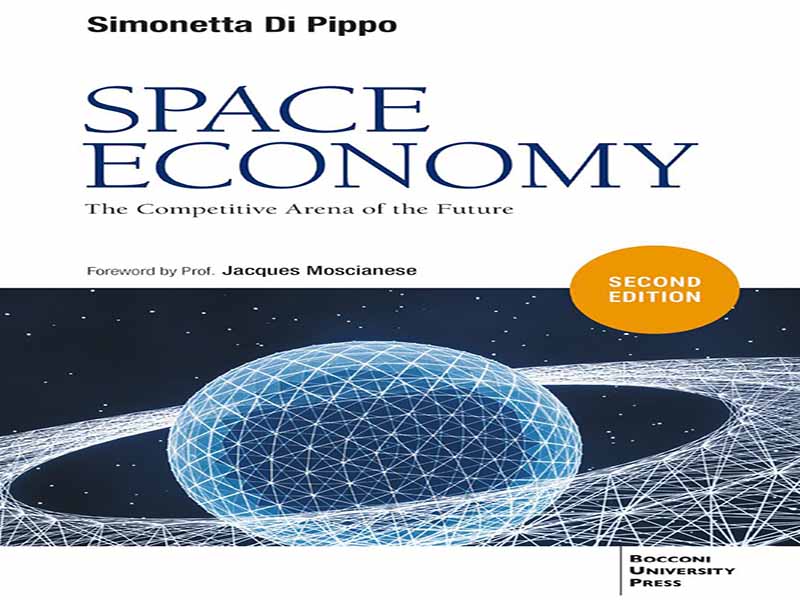
- عنوان کتاب: Space Economy, Second Edition The Competitive Arena of the Future
- نویسنده: Simonetta Di Pippo
- حوزه: اقتصاد فضا
- سال انتشار: 2026
- تعداد صفحه: 220
- زبان اصلی: انگلیسی
- نوع فایل: pdf
- حجم فایل: 3.67 مگابایت
در سال ۲۰۱۲، سازمان همکاری و توسعه اقتصادی (OECD) اقتصاد فضا را به عنوان «طیف کاملی از فعالیتها و استفاده از منابع فضایی که در جریان کاوش، تحقیق، درک، مدیریت و بهرهبرداری از فضا برای بشریت ارزش و منفعت ایجاد میکند» تعریف کرد.۲ تعریف قبلی به سال ۲۰۰۷ برمیگردد، زمانی که دفتر آژانس فضایی ایالات متحده (ناسا) که مسئول ارتباطات استراتژیک است، استفاده از تعریف زیر را آغاز کرد: «اقتصاد فضا: مجموعهای از فعالیتها و استفاده از منابع فضایی که در جریان کاوش، درک و استفاده از فضا برای بشریت ارزش و منفعت ایجاد و فراهم میکنند.» تعریف ارائه شده توسط OECD را میتوان صرفاً بسط مفهومی دانست که چند سال قبل توسط ناسا بیان شده بود و چندان از فرمول قبلی منحرف نشده است. با این حال، سازمان همکاری و توسعه اقتصادی (OECD) در ادامه به ترسیم بیشتر خطوط کلی این بخش میپردازد: «این شامل همه بازیگران، اعم از دولتی و خصوصی، میشود که در توسعه، ارائه و استفاده از محصولات و خدمات مرتبط با فضا فعالیت دارند: تحقیق و توسعه، ساخت و استفاده از زیرساختهای فضایی (ایستگاههای زمینی، وسایل پرتاب، ماهوارهها)، کاربردهای مشتق شده از فضا (ابزارهای ناوبری، تلفنهای ماهوارهای، خدمات هواشناسی و غیره) و همچنین دانش علمی حاصل از این فعالیتها. اقتصاد فضا به معنای محدود کلمه، فراتر از بخش فضا است، زیرا به تأثیرات فزاینده و در حال تغییر (از نظر کمیت و کیفیت) محصولات، خدمات و دانش حاصل از فضا گسترش مییابد.» همچنین باید در نظر داشته باشیم که فعالیتهای فضایی به بالادست (ماهوارهها و پرتابگرها) و پاییندست (خدمات و کاربردهای مشتق شده از دادهها و زیرساختهای مبتنی بر فضا) تقسیم میشوند. یک تقسیمبندی دیگر برای درک کامل وسعت اقتصاد فضا، به ویژه در میانمدت تا بلندمدت، بسیار مرتبط است: فعالیتهای مرتبط با اقتصاد فضا که در فضا برای کمک به ماموریتهای اکتشافی و خدماتی در مدار انجام میشوند (فضا برای فضا)، و فعالیتهایی که در عوض از دادهها و زیرساختهای فضایی برای بهبود کیفیت زندگی روی زمین استفاده میکنند (فضا برای زمین).
In 2012, the Organization for Economic Cooperation and Development (OECD) defined the space economy as “the full range of activities and use of space resources that create value and benefits for humanity in the course of exploring, researching, understanding, managing and utilizing space.”2 An earlier definition dates back to 2007 when the office of the US space agency (NASA) responsible for strategic communications began using the following definition: “The space economy: the set of activities and use of space resources that create and provide value and benefits to humanity in the course of the exploration, understanding, and use of space.” The definition introduced by the OECD can be seen as a mere expansion of the concept expressed by NASA a few years earlier, not deviating much from the previous formulation. However, the OECD goes on to further delineate the contours of the sector: “It includes all actors, public and private, engaged in the development, provision, and use of space-related products and services: research and development, construction and use of space infrastructure (ground stations, launch vehicles, satellites), applications derived from space (navigation instruments, satellite phones, meteorological services, etc.), as well as the scientific knowledge that results from these activities. The space economy goes far beyond the space sector in the narrow sense because it extends to the increasingly pervasive and changing impacts (in quantity and quality) of the products, services, and knowledge that result from space.” We should also consider that space activities are divided into upstream (satellites and launchers) and downstream (services and applications derived from space-based data and infrastructures). A further subdivision is extremely relevant to fully understand the extent of the space economy, especially in the medium to long term: space economy-related activities carried out in space to assist exploration and service missions in orbit (space for space), and those that instead use space data and infrastructure to improve the quality of life on Earth (space for Earth).
این کتاب را میتوانید از لینک زیر بصورت رایگان دانلود کنید:
Download: Space Economy
















نظرات کاربران