



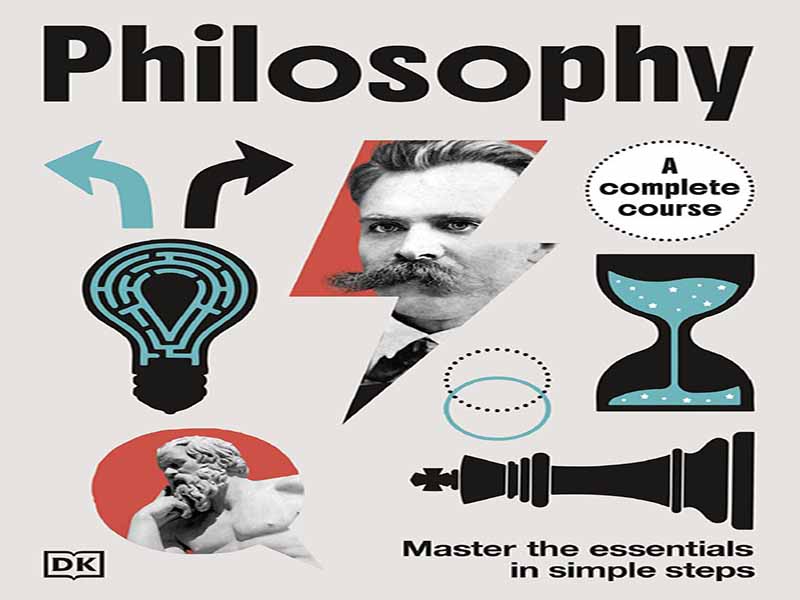
- عنوان کتاب: Philosophy -A complete course
- نویسنده: DK
- حوزه: فلسفه
- سال انتشار: 2026
- تعداد صفحه: 635
- زبان اصلی: انگلیسی
- نوع فایل: pdf
- حجم فایل: 35.4 مگابایت
در زبان یونانی، کلمه «فلسفه» به معنای «عشق به خرد» است و هدف اصلی آن – درک جهان و جایگاه ما در آن – را نشان میدهد. فلسفه غرب معمولاً به یونانیان باستان برمیگردد، که با متفکران پیشاسقراطی قرن ششم میلادی، مانند آلیس و هراکلیتوس آغاز میشود. آنها سوالات اساسی در مورد واقعیت، تغییر و ساختار کیهان پرسیدند. کار آنها پایههای متافیزیک – مطالعه آنچه وجود دارد – را بنا نهاد. با سقراط و بعدها افلاطون و ارسطو، توجه به سوالاتی در مورد چگونگی زندگی و چگونگی سازماندهی جامعه معطوف شد. سوالات مشابهی در جاهای دیگر نیز مورد بررسی قرار میگرفت: در هند، سنتهای هندو و بودایی زندگی اخلاقی را با رهایی معنوی مرتبط میکردند، در حالی که در چین، متفکران کنفوسیوسی و تائوئیست به فضیلت و نظم طبیعی میپرداختند. در زمان مناسب، ایدههای آنها به ایجاد حوزههای اخلاق و فلسفه سیاسی کمک کرد. یونانیان همچنین چگونگی کسب دانش را در رشتهای به نام معرفتشناسی بررسی کردند. با گذشت زمان، این تحقیقات به فلسفه ذهن گسترش یافت، که به بررسی چگونگی ارتباط افکار و ذهن ما با جهان فیزیکی و بدن ما میپردازد. با گسترش ایدههای فلسفی، این ایدهها با تحولات مذهبی و فرهنگی آمیخته شدند. در طول قرون وسطی، متفکران مسیحی، اسلامی و یهودی به بررسی ماهیت خدا و رابطه بین عقل و ایمان پرداختند. این سؤالات در قلب فلسفه دین قرار دارند. رنسانس و انقلاب علمی روشهای جدیدی برای مشاهده و آزمایش به ارمغان آوردند و بحثهای جدیدی را در مورد چگونگی مطالعه جهان طبیعی در فلسفه علم برانگیختند. در پاسخ به تغییرات سیاسی و اجتماعی رادیکال قرن نوزدهم، فلسفه به طور فزایندهای بر سؤالات مربوط به آزادی، وجود و جامعه انسان متمرکز شد. تا قرن بیستم، دو مکتب گسترده پدیدار شدند: فلسفه «قارهای» که به بررسی تجربه، فرهنگ و قدرت میپرداخت و فلسفه «تحلیلی» که هدفش وضوح و استدلال دقیق بود و منجر به ظهور فلسفه زبان شد. فلسفه: یک دوره کامل، راهنمای گام به گام برای شاخههای اساسی فلسفه و سؤالاتی است که آنها را تفسیر میکند. مهمتر از آن، خوانندگان را به تفکر فلسفی دعوت میکند – تا پیشفرضها را به چالش بکشند، جهان را متفاوت ببینند و به گفتگویی بپیوندند که بیش از دو هزار سال اندیشه بشر را پیش برده است.
In Greek, the word “philosophy” means “love of wisdom,” reCecting its central aim—to understand the world and our place within it. Western philosophy is usually traced back to the ancient Greeks, beginning with pre- Socratic thinkers of the 6th century OPR, such as _ales and Heraclitus. they asked fundamental questions about reality, change, and the structure of the cosmos. their work laid the foundations of metaphysics—the study of what exists. With Socrates, and later Plato and Aristotle, attention turned toward questions about how we should live and how society ought to be organized. Similar questions were being explored elsewhere: In India, Hindu and Buddhist traditions linked an ethical life with spiritual liberation, while in China, Confucian and Taoist thinkers reCected on virtue and the natural order. In due course, their ideas helped establish the Aelds of ethics and political philosophy. _e Greeks also explored how we acquire knowledge in a discipline known as epistemology. Over time, these investigations broadened into the philosophy of mind, which examines how our thoughts and minds relate to the physical world and to our bodies. As philosophical ideas spread, they mixed with religious and cultural developments. During the medieval period, Christian, Islamic, and Jewish thinkers examined the nature of God and the relationship between reason and faith. _ese questions lie at the heart of the philosophy of religion. _e Renaissance and the ScientiAc Revolution brought new methods of observation and experiment, prompting new debates about how we study the natural world in the philosophy of science. In response to the radical political and social changes of the 19th century, philosophy became increasingly focused on questions of human freedom, existence, and society. By the 20th century, two broad schools emerged: “continental” philosophy, which explored experience, culture, and power, and “analytic” philosophy, which aimed for clarity and careful argument, giving rise to the philosophy of language. Philosophy: A complete course is a step-by-step guide to the fundamental branches of philosophy and the questions that deAne them. More importantly, it invites readers to think philosophically—to challenge assumptions, see the world differently, and join the conversation that has advanced human thought for over two millennia.
این کتاب را میتوانید از لینک زیر بصورت رایگان دانلود کنید:
Download: Philosophy
















نظرات کاربران