



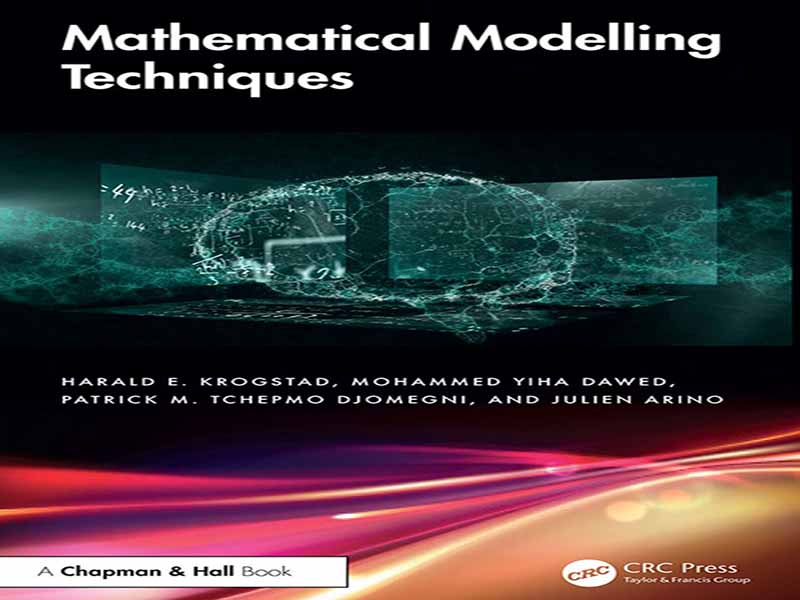
- عنوان کتاب: Mathematical Modelling Techniques
- نویسنده: Harald E. Krogstad, Mohammed Yiha
- حوزه: مدلسازی ریاضی
- سال انتشار: 2026
- تعداد صفحه: 393
- زبان اصلی: انگلیسی
- نوع فایل: pdf
- حجم فایل: 16.5 مگابایت
این کتاب بر اساس مطالب سخنرانی است که در ابتدا توسط هارالد ای. کروگستاد برای دوره کارشناسی ارشد مدلسازی ریاضی در دانشگاه علوم و فناوری نروژ (NTNU) تهیه شده و بعداً برای برنامه کارشناسی ارشد MASTMO در دانشگاه هاواسا، اتیوپی، اقتباس شده است. پس از درگذشت پروفسور کروگستاد در سال ۲۰۲۰، این پروژه توسط محمد ییها داود و پاتریک ام. چپمو جومگنی، با مشارکت جولین آرینو در اپیدمیولوژی ریاضی، ادامه یافت. این متن مقدمهای ساختاریافته و جامع در مورد مدلسازی ریاضی ارائه میدهد و روشهای کلاسیک را با محتوای اصلی ترکیب میکند. هدف آن تجهیز دانشجویان تحصیلات تکمیلی تازهکار و دانشجویان کارشناسی ارشد پیشرفته در ریاضیات کاربردی، آمار و رشتههای مرتبط با ابزارهایی برای تدوین، تجزیه و تحلیل و تفسیر مدلها در علوم طبیعی، مهندسی و زیستشناسی است. آنچه این کتاب را متمایز میکند، تعادل آن بین نظریه و کاربرد است که ریاضیات دقیق را با مسائل مدلسازی عملی پیوند میدهد. دانشجویان هم مبانی مفهومی و هم رویکردهای محاسباتی را یاد میگیرند و آنها را برای مقابله با چالشهای دنیای واقعی آماده میکند. ویژگیهای کلیدی عبارتند از: – مقدمهای بر تحلیل ابعادی، مقیاسبندی و روشهای اختلال. – تحلیل تعادل، دوشاخه شدن و هیسترزیس. – مدلهای کلاسیک و تعمیمیافته جمعیت و اپیدمی، شامل مدلهای لجستیک، لوتکا-ولترا و SIR. – مقدمهای اولیه بر معادلات دیفرانسیل جزئی از طریق مدلسازی مبتنی بر پایستگی. – کاربردهای آن در ترافیک جادهای، مکانیک، انتشار و تمرینهای مبتنی بر پروژههای کوچک. – مثالهای حلشده و تمرینهای پایان فصل برای خودآموزی. – راهنمای مختصر «کمکهای اولیه» برای حل معادلات دیفرانسیل جزئی شبهخطی مرتبه اول. این کتاب برای دانشجویان تحصیلات تکمیلی مبتدی و دانشجویان کارشناسی پیشرفته در ریاضیات کاربردی، آمار و رشتههای مرتبط ایدهآل است. ترکیب نظریه، مثالهای کاربردی و تمرینهای مبتنی بر پروژه، آن را به منبعی ارزشمند برای دورهها و همچنین برای مطالعه مستقل تبدیل میکند.
This book is based on lecture materials originally developed by Harald E. Krogstad for the MSc course Mathematical Modelling at the Norwegian University of Science and Technology (NTNU) and later adapted for the MASTMO MSc program at Hawassa University, Ethiopia. Following Prof. Krogstad’s passing in 2020, the project was continued by Mohammed Yiha Dawed and Patrick M. Tchepmo Djomegni, with contributions in mathematical epidemiology from Julien Arino. The text offers a structured and comprehensive introduction to mathematical modelling, blending classical methods with original content. Its goal is to equip beginning graduate students and advanced undergraduates in applied mathematics, statistics, and related fields with the tools to formulate, analyze, and interpret models across natural sciences, engineering, and biology. What distinguishes this book is its balance of theory and application, bridging rigorous mathematics with practical modelling problems. Students learn both the conceptual foundations and computational approaches, preparing them to tackle real-world challenges. Key Features Include: -Introduction to dimensional analysis, scaling, and perturbation methods. -Equilibrium, bifurcation, and hysteresis analysis. -Classical and generalized population and epidemic models, including logistic, Lotka-Volterra, and SIR models. -Early introduction to partial differential equations through conservation based modelling. -Applications to road traffic, mechanics, diffusion, and small project based exercises. -Worked examples and chapter-end exercises for self-study. -Concise “first aid” guide for solving first-order quasi-linear PDEs. This book is ideal for beginning graduate students and advanced undergraduates in applied mathematics, statistics, and related disciplines. Its combination of theory, applied examples, and project-based exercises makes it a valuable resource for courses as well as for independent study.
این کتاب را میتوانید از لینک زیر بصورت رایگان دانلود کنید:
Download: Mathematical Modelling Techniques















نظرات کاربران