



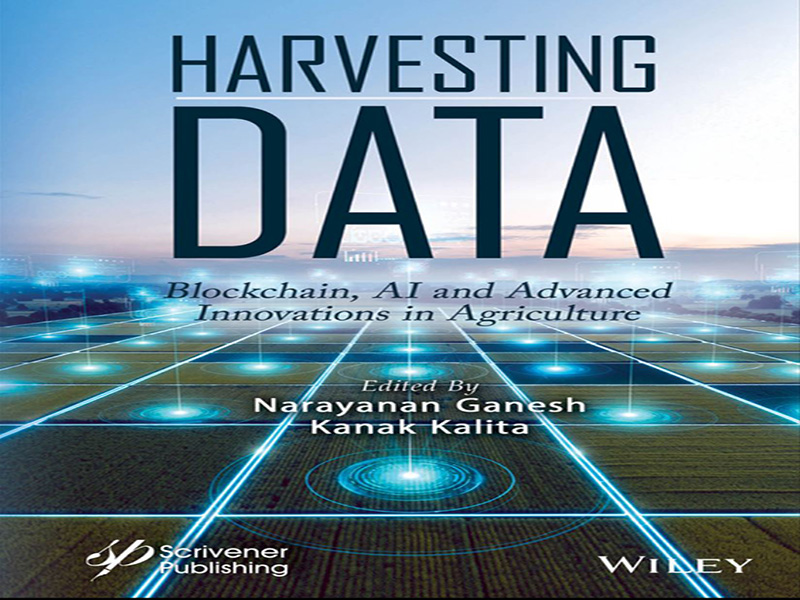
- عنوان کتاب: Harvesting Data Blockchain, AI and Advanced Innovations in Agriculture
- نویسنده: Narayanan Ganesh Kanak Kalita
- حوزه: کاربرد بلاکچین
- سال انتشار: 2026
- تعداد صفحه: 366
- زبان اصلی: انگلیسی
- نوع فایل: pdf
- حجم فایل: 24.5 مگابایت
در سالهای اخیر، بخش کشاورزی به دلیل پیشرفتهای پیشگامانه در فناوری، دستخوش تحولات عظیمی شده است. افزایش تقاضا برای غذا، همراه با فشارهای ناشی از تغییرات اقلیمی و کاهش منابع، راهحلهای نوآورانهای را برای بهبود شیوههای کشاورزی ضروری کرده است. در خط مقدم این نوآوریها، بلاکچین، هوش مصنوعی (AI) و یادگیری ماشینی قرار دارند که همگی پتانسیل بالایی در افزایش بهرهوری، تضمین پایداری و تغییر شکل سیستمهای کشاورزی در سطح جهان نشان دادهاند. این جلد، «برداشت دادهها: بلاکچین، هوش مصنوعی و نوآوریهای پیشرفته در کشاورزی»، بررسی جامعی از چگونگی ادغام این فناوریهای پیشرفته در جنبههای مختلف کشاورزی ارائه میدهد. مشارکتهای متخصصان برجسته در این زمینه، دیدگاهی منحصر به فرد و چندوجهی در مورد قدرت دگرگونکننده این نوآوریها ارائه میدهد. این کتاب به سه بخش تقسیم شده است که هر کدام بر حوزههای کلیدی که بلاکچین و هوش مصنوعی در حال متحول کردن چشمانداز کشاورزی هستند، تمرکز دارند. بخش اول: نوآوریهای بلاکچین در شیوههای کشاورزی بخش اول کتاب به بررسی نقش بلاکچین در شیوههای کشاورزی مدرن میپردازد. فناوری بلاکچین، با ویژگیهای ذاتی شفافیت، امنیت و تمرکززدایی، در حال تبدیل شدن به یک عامل تغییر دهنده در عملیات کشاورزی است. فصلهای این بخش، چگونگی استفاده از بلاکچین برای نظارت و پیشبینی محصولات کشاورزی را برجسته میکنند که توسط تکنیکهای یادگیری ماشینی هدایت میشوند و پیشبینی دقیقتر و کارآمدتری را در کشاورزی امکانپذیر میسازند. کاربرد یادگیری ماشینی برای تجزیه و تحلیل پیشبینی، همانطور که در این بخش مورد بحث قرار گرفته است، بینشهایی را در مورد چگونگی استفاده کشاورزان از دادههای بلادرنگ برای پیشبینی الگوهای آب و هوایی، بهینهسازی عملکرد محصول و کاهش خطرات مرتبط با تغییرات آب و هوایی ارائه میدهد. علاوه بر این، استفاده از ارز دیجیتال برای تجزیه و تحلیل دادههای کود، رویکردی نوآورانه برای ردیابی و مدیریت نهادههای کشاورزی معرفی میکند و کاربردهای متنوع بلاکچین در کشاورزی را بیشتر نشان میدهد. یکی از چالشهای مهم در کشاورزی، مدیریت مؤثر منابع و کاربری زمین است. مدل MADM (تصمیمگیری چند شاخصه) که در فصل بعد ارائه شده است، رویکردی جدید برای توسعه چشمانداز ارائه میدهد و به تصمیمگیرندگان در ارزیابی عوامل متعدد برای برنامهریزی و اجرای شیوههای کشاورزی پایدارتر کمک میکند. این بخش با نگاهی به سیستمهای مدیریت مزرعه، که شکاف بین کشاورزان و راهحلهای تکنولوژیکی را پر میکنند و یک اکوسیستم متصل ایجاد میکنند که همکاری بهتر و اشتراکگذاری دادهها را برای بهبود نتایج کشاورزی ترویج میدهد، به پایان میرسد. بخش دوم: بلاکچین در زنجیره تأمین کشاورزی و قابلیت ردیابی بخش دوم کتاب به بررسی ادغام بلاکچین در زنجیره تأمین کشاورزی و قابلیت ردیابی میپردازد. شفافیت و کارایی در زنجیره تأمین مواد غذایی از دغدغههای اساسی هستند که مدتهاست بخش کشاورزی را درگیر خود کردهاند. بلاکچین با توانایی خود در ارائه سوابق تغییرناپذیر و شفاف، با تضمین یکپارچگی و قابلیت ردیابی محصولات کشاورزی از مزرعه تا سفره، به حل این چالشها کمک میکند. فصلهای این بخش، بررسی کاملی از روشهای مبتنی بر بلاکچین در مدیریت زنجیره تأمین کشاورزی ارائه میدهند. فناوری بلاکچین با ایجاد انقلابی در شفافیت زنجیره تأمین، فرآیندهای کارآمدتری را امکانپذیر میکند، تقلب را کاهش میدهد و کیفیت کلی محصولات کشاورزی را بهبود میبخشد. استفاده از بلاکچین برای افزایش قابلیت ردیابی نیز برای تضمین ایمنی مواد غذایی بسیار مهم است و مصرفکنندگان و نهادهای نظارتی را قادر میسازد تا منشأ محصولات را ردیابی کنند، ادعاها را تأیید کنند و از رعایت استانداردهای ایمنی اطمینان حاصل کنند. یکی از نکات برجسته در این بخش، کاربرد بلاکچین در تجزیه و تحلیل کیفیت برگهای چای است. این فصل با ترکیب تکنیکهای یادگیری عمیق، نشان میدهد که چگونه میتوان از بلاکچین برای ایجاد سابقهای پایدار و ایمن از کیفیت محصول استفاده کرد و نظارت و کنترل دقیقتر زنجیرههای تأمین را تسهیل کرد. یک مطالعه موردی آموزنده دیگر بر ممنوعیت جابجایی غیرقانونی چوب صندل از جنگلهای حفاظتشده تمرکز دارد و نشان میدهد که چگونه بلاکچین میتواند قانونی بودن و قابلیت ردیابی کالاهای حساس را تضمین کند و در نتیجه به جلوگیری از تجارت و بهرهبرداری غیرقانونی کمک کند. بخش سوم: فناوریهای پیشرفته در کشاورزی هوشمند بخش پایانی کتاب به فناوریهای پیشرفتهای اختصاص دارد که آینده کشاورزی هوشمند را هدایت میکنند. هوش مصنوعی، یادگیری ماشین و تجزیه و تحلیل دادهها، راه را برای روشهای کشاورزی دقیقتر، پایدارتر و هوشمندتر هموار میکنند. فصلهای این بخش بر نقش هوش مصنوعی در جنبههای مختلف مدیریت کشاورزی، از اندازهگیری کالری مواد غذایی گرفته تا تشخیص و پیشگیری از آفات، تمرکز دارند. یکی از نوآورانهترین کاربردهای بررسی شده، استفاده از پرسپترونهای چندلایه بهبود یافته (MLP) برای اندازهگیری کالری مواد غذایی است. این فصل دقت MLP را با K-نزدیکترین همسایهها (KNN) و چندجملهایها مقایسه میکند.
In recent years, the agricultural sector has undergone tremendous transformation due to the groundbreaking advancements in technology. The increasing demand for food, coupled with the pressures of climate change and resource depletion, has necessitated innovative solutions to improve agricultural practices. At the forefront of these innovations are blockchain, artificial intelligence (AI), and machine learning, all of which have shown great potential in enhancing productivity, ensuring sustainability and reshaping agricultural systems globally. This volume, Harvesting Data: Blockchain, AI and Advanced Innovations in Agriculture, provides a comprehensive exploration of how these cutting-edge technologies are being integrated into various facets of agriculture. The contributions from leading experts in the field offer a unique and multifaceted perspective on the transformative power of these innovations. The book is divided into three parts, each focusing on key areas where blockchain and AI are revolutionizing the agricultural landscape. Part I: Blockchain Innovations in Agricultural Practices The first part of the book investigates the role of blockchain in modern agricultural practices. Blockchain technology, with its inherent characteristics of transparency, security, and decentralization, is proving to be a game-changer in agricultural operations. The chapters in this section highlight how blockchain is being utilized for crop monitoring and prediction, driven by machine learning techniques that enable more accurate and efficient agricultural forecasting. The application of machine learning for predictive analysis, as discussed in this part, offers insights into how farmers can use realtime data to anticipate weather patterns, optimize crop yields, and mitigate risks associated with climate variability. Additionally, the use of cryptocurrency for manure data analysis introduces an innovative approach to tracking and managing agricultural inputs, further demonstrating the diverse applications of blockchain in agriculture. One of the critical challenges in agriculture is the effective management of resources and land use. The MADM (Multi-Attribute Decision- Making) model presented in the following chapter offers a novel approach to landscape development, assisting decision-makers in evaluating multiple factors to plan and implement more sustainable farming practices. The section concludes with a look at farm management systems, which are bridging the gap between farmers and technological solutions, creating a connected ecosystem that promotes better collaboration and data-sharing for improved agricultural outcomes. Part II: Blockchain in Agricultural Supply Chain and Traceability The second part of the book explores the integration of blockchain in the agricultural supply chain and traceability. Transparency and efficiency in the food supply chain are critical concerns that have long plagued the agricultural sector. Blockchain, with its ability to provide immutable and transparent records, is helping solve these challenges by ensuring the integrity and traceability of agricultural products from farm to table. The chapters in this section offer a thorough examination of blockchain-oriented methods in agricultural supply chain management. By revolutionizing supply chain transparency, blockchain technology is enabling more efficient processes, reducing fraud and improving the overall quality of agricultural products. The use of blockchain for enhancing traceability is also crucial for ensuring food safety, enabling consumers and regulatory bodies to trace the origin of products, verify claims, and ensure compliance with safety standards. One of the standout contributions in this section is the application of blockchain in the quality analysis of tea leaves. By incorporating deep learning techniques, this chapter illustrates how blockchain can be used to create a persistent, secure record of product quality, facilitating more accurate monitoring and control of supply chains. Another insightful case study focuses on the prohibition of illegal movements of sandalwood from reserve forests, demonstrating how blockchain can ensure the legality and traceability of sensitive commodities, thus helping to prevent illegal trade and exploitation. Part III: Advanced Technologies in Smart Agriculture The final part of the book is dedicated to the advanced technologies driving the future of smart agriculture. Artificial intelligence, machine learning and data analytics are paving the way for more precise, sustainable, and intelligent farming methods. The chapters in this section focus on the role of AI in various aspects of agricultural management, from food calorie measurement to pest detection and prevention. One of the most innovative applications explored is the use of enhanced multi-layer perceptrons (MLP) for food calorie measurement. The chapter compares the accuracy of MLP with K-Nearest Neighbors (KNN) and polynomial regression, demonstrating how AI can improve the precision and efficiency of food analysis. Similarly, AI-powered recommendation systems are discussed in the context of suggesting nutritious foods, with a focus on how novel random forest classifiers can be used to achieve higher precision rates compared to traditional algorithms like MLP. Pest management is another area where AI is having a significant impact. Using convolutional neural networks (CNNs), AI is helping to identify and classify pests with greater accuracy, enabling farmers to take timely action to prevent crop damage. The role of AI in weed detection is also explored, with a focus on using machine learning techniques to develop automated systems that can detect and prevent the spread of weeds, ensuring optimal crop health and yield. The advancements covered in this book are not just theoretical concepts but represent real-world applications that are actively shaping the future of agriculture. As the global population continues to grow and the need for sustainable agricultural practices becomes more pressing, the integration of blockchain, AI, and machine learning will be pivotal in creating more efficient, transparent, and sustainable agricultural systems. The contributions in this book demonstrate the boundless potential of these technologies, offering new avenues for research and development. They provide practical insights into how agriculture can benefit from data-driven decision-making, greater transparency and enhanced resource management. From improving crop yields to ensuring food safety and traceability, the future of agriculture is being redefined by these innovations. Harvesting Data: Blockchain, AI and Advanced Innovations in Agriculture is a timely and essential resource for researchers, practitioners, and policymakers seeking to understand the transformative impact of technology on agriculture. By bringing together diverse perspectives and cutting-edge research, this book lays the foundation for the next generation of agricultural practices that will meet the challenges of the future while ensuring food security and sustainability for generations to come. As you explore the chapters, you will discover how the fusion of blockchain, AI, and advanced technologies is driving agriculture toward a smarter, more sustainable future. These innovations will not only reshape the agricultural industry but also help improve the quality of life for farmers, consumers, and communities worldwide. The journey has only just begun and this book marks an important step in that transformative path.
این کتاب را میتوانید از لینک زیر بصورت رایگان دانلود کنید:
Download: Harvesting Data Blockchain, AI and Advanced Innovations in Agriculture














نظرات کاربران