



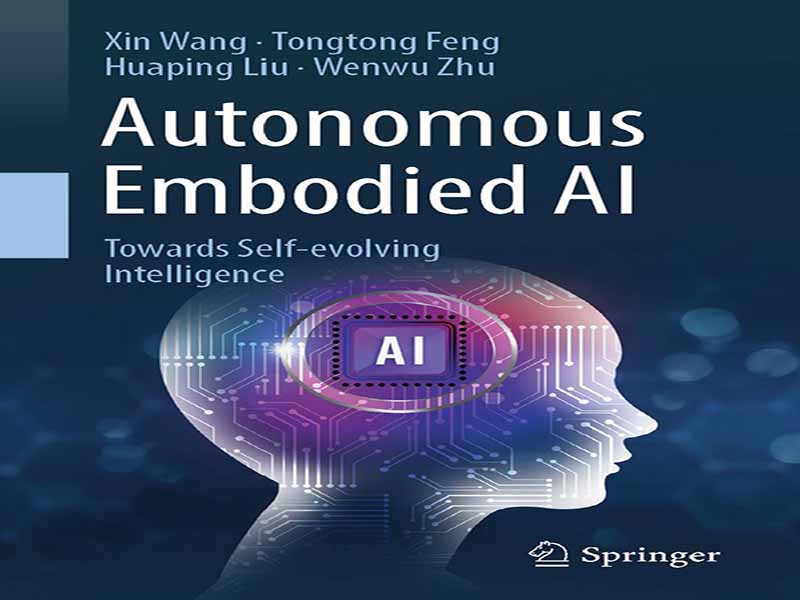
- عنوان کتاب: Autonomous Embodied AI Towards Self-evolving Intelligence
- نویسنده: Prof. Yonggang Wen
- حوزه: هوش مصنوعی تجسمی
- سال انتشار: 2026
- تعداد صفحه: 368
- زبان اصلی: انگلیسی
- نوع فایل: pdf
- حجم فایل: 5.76 مگابایت
هوش مصنوعی تجسمی (AI) به عنوان سنگ بنایی در پیشرفت سیستمهای هوشمند ظهور کرده است و تأکید میکند که شناخت و استدلال را نمیتوان از ادراک و تعامل با دنیای فیزیکی جدا کرد. برخلاف هوش صرفاً دیجیتال، هوش مصنوعی تجسمی به عاملها این امکان را میدهد که استدلال انتزاعی را در زمینههای دنیای واقعی پایهگذاری کنند و از این طریق شکاف بین دنیای مجازی و فیزیکی را پر کنند. از آنجایی که مدلهای هوش مصنوعی در مقیاس بزرگ توانایی استدلال بیسابقهای را نشان دادهاند، این الگوی تجسمی مسیری طبیعی برای گسترش هوش به محیطهای پویا، نامشخص و باز فراهم میکند که برای تحقق هوش عمومی مصنوعی (AGI) حیاتی است. این کتاب با عنوان هوش مصنوعی تجسمی خودمختار: به سوی هوش خود-تکاملی، نوشتهی شین وانگ، تونگ تونگ فنگ، هواپینگ لیو و ونوو ژو، دیدگاهی جامع و آیندهنگر در مورد این حوزه نوظهور ارائه میدهد. بخش اول با ارائه فناوریها، مؤلفهها و معماریهای کلیدی هوش مصنوعی تجسمی، از مدل زبان بزرگ (LLM) مبتنی بر مدل جهان گرفته تا هوش مصنوعی تجسمی مبتنی بر LLM مشترک و مبتنی بر مدل جهان، پایه و اساس را بنا میکند. همچنین هوش مصنوعی تجسمی خودمختار و هوش مصنوعی تجسمی ازدحامی خودمختار را بررسی میکند و پیشرفت روشنی از خودمختاری فردی به هوش ازدحامی ارائه میدهد. بخش دوم بحث را به هوش مصنوعی تجسمی خود-تکاملی تغییر میدهد و دو ستون اصلی را مشخص میکند: مدلهای جهانی خود-تکاملی که بازنماییهای پیشبینیکنندهای از محیط میسازند و عاملهای خود-تکاملی که سازگاری و بهبود را به صورت بلادرنگ عملیاتی میکنند. این چارچوب دوگانه، هم عمق مفهومی و هم راهنمایی عملی را برای پیشرفت به سمت عاملهایی که میتوانند به طور مداوم یاد بگیرند، خود-تأمل کنند و تکامل یابند، فراهم میکند. چنین دیدگاهی نه تنها درک نظری را پیش میبرد، بلکه دستورالعملهای عملی را برای توسعه آینده هوش مصنوعی تجسمی ارائه میدهد. نویسندگان، متخصصان مشهور در هوش مصنوعی تجسمی، یادگیری خودمختار و هوش ازدحامی، با موفقیت بینشهای تحقیقاتی دقیق را با کاربردهای عملی ترکیب کردهاند. کار آنها وضوح مفهومی را با جزئیات فنی متعادل میکند و این کتاب را برای محققانی که به دنبال یک مرور کلی گسترده هستند و متخصصانی که به دنبال روشهای عملی هستند، به یک اندازه ارزشمند میکند. این کتاب با ادغام مبانی، روشهای پیشرفته و چشماندازهای آیندهنگر، طرحی بینظیر برای ساخت نسل بعدی هوش مصنوعی تجسمی ارائه میدهد. این کتاب، سهمی بهموقع در جامعه هوش مصنوعی دارد. این کتاب به عنوان مرجعی ضروری برای محققان، مهندسان و دانشجویان تحصیلات تکمیلی که مایل به کاوش در هوش مصنوعی تجسمی هستند، عمل خواهد کرد. مهمتر از آن، این کتاب گامی مهم در مسیر رسیدن به هوش مصنوعی تجسمی خود-تکاملی است و بر اهمیت پیوند هوش دیجیتال با دنیای فیزیکی تأکید میکند. من این کتاب را به کسانی که مشتاق شکلدهی و مشارکت در آینده هوش مصنوعی تجسمی هستند، اکیداً توصیه میکنم.
Embodied Artificial Intelligence (AI) has emerged as a cornerstone in advancing intelligent systems, highlighting that cognition and reasoning cannot be decoupled from perception and interaction with the physical world. Unlike purely digital intelligence, embodied AI enables agents to ground abstract reasoning in real-world contexts, thereby bridging the gap between virtual and physical worlds. As large-scale AI models have demonstrated unprecedented reasoning ability, this embodied paradigm provides a natural pathway for extending intelligence to dynamic, uncertain, and open environments, which is critical for realizing Artificial General Intelligence (AGI). This book, entitled Autonomous Embodied AI: Towards Self-evolving Intelligence, authored by Xin Wang, Tongtong Feng, Huaping Liu, and Wenwu Zhu, provides a comprehensive and forward-looking perspective on this emerging field. Part I establishes the foundation by presenting key technologies, components, and architectures of embodied AI, ranging from large language model (LLM)-based, world model-based to joint LLM and world model-based embodied AI. It also explores autonomous embodied AI and autonomous swarm embodied AI, offering a clear progression from individual autonomy to swarm intelligence. Part II shifts the discussion to self-evolving embodied AI, identifying two central pillars: self-evolving world models that construct predictive representations of the environment, and selfevolving agents that operationalize adaptation and improvement in a real-time manner. This dual framework provides both the conceptual depth and practical guidance for advancing toward agents that can continuously learn, self-reflect, and evolve. Such a vision not only advances theoretical understanding but also provides practical guidelines for the future development of embodied AI. The authors, renowned experts in embodied AI, autonomous learning, and swarm intelligence, have successfully combined rigorous research insights with practical applications. Their work balances conceptual clarity with technical details, making the book equally valuable for researchers seeking a broad overview and practitioners aiming for practical methodologies. By integrating foundations, stateof- the-art methods, and forward-looking visions, the book offers a unique blueprint for building the next generation of embodied AI. This volume is a timely contribution to the AI community. It will serve as an indispensable reference for scholars, engineers, and graduate students who wish to explore embodied AI. More importantly, it marks a significant step in the journey toward self-evolving embodied AI, underscoring the importance of bridging digital intelligence with the physical world. I strongly recommend this book to those eager to shape and participate in the future of embodied AI.
این کتاب را میتوانید از لینک زیر بصورت رایگان دانلود کنید:
Download: Autonomous Embodied AI Towards Self-evolving Intelligence















نظرات کاربران