



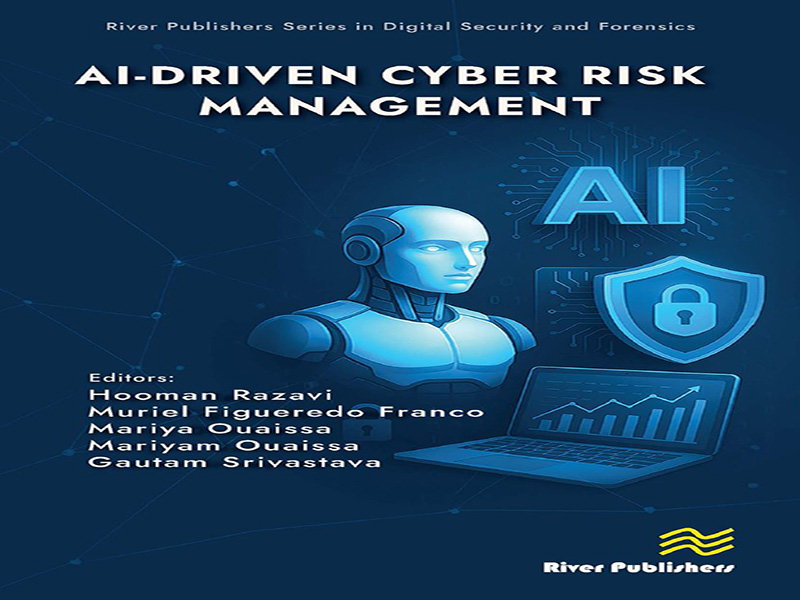
- عنوان کتاب: AI-driven Cyber Risk Management
- نویسنده: Hooman Razavi, Muriel Figueredo Franco
- حوزه: مدیریت ریسک
- سال انتشار: 2026
- تعداد صفحه: 755
- زبان اصلی: انگلیسی
- نوع فایل: pdf
- حجم فایل: 12.3 مگابایت
در چشمانداز دیجیتالِ بههمپیوستهی امروزی، سازمانها بهطور فزایندهای برای حفظ عملیات تجاری خود به سیستمهای سایبری پیچیده، شامل زیرساختهای محاسبات ابری، برنامههای کاربردی سازمانی، پلتفرمهای مالی و فناوریهای عملیاتی حیاتی، متکی هستند. در حالی که این پیشرفتها باعث افزایش کارایی و نوآوری میشوند، سازمانها را در معرض طیف گستردهای از خطرات بسیار فراتر از تهدیدات امنیتی سنتی نیز قرار میدهند. خرابی سیستم، نقض دادهها، حملات باجافزاری و کلاهبرداری مالی میتواند عواقب شدید عملیاتی، اعتباری و مالی را به همراه داشته باشد. در چنین محیطی، شیوههای مرسوم مدیریت ریسک دیگر کافی نیستند. برای پیمایش مؤثر این چالشهای در حال تحول، شرکتها باید استراتژیهای هوشمند، تطبیقی و پیشگیرانهای را که توسط هوش مصنوعی پشتیبانی میشوند، بپذیرند. این کتاب به عنوان یک راهنمای جامع در مورد چگونگی تغییر مدیریت ریسک سایبری توسط هوش مصنوعی طراحی شده است و سازمانها را به دانش و ابزارهای مورد نیاز برای پیشبینی، ارزیابی و کاهش تهدیدات با دقت بیسابقه مجهز میکند. با ادغام هوش مصنوعی با تجزیه و تحلیل کلانداده و فناوریهای نوظهور، کسبوکارها میتوانند از دفاع واکنشی به کاهش ریسک پیشبینیکننده و بلادرنگ حرکت کنند. از طریق این دیدگاه، کتاب به بررسی روشها و چارچوبهای پیشرفتهای میپردازد که آیندهی تابآوری امنیت سایبری را تعریف میکنند. محتوا به گونهای سازماندهی شده است که هم درک مفهومی و هم بینش عملی را در اختیار خوانندگان قرار دهد. این کتاب با طرح اصول بنیادی مدیریت ریسک سایبری آغاز میشود و سپس به بررسی تکامل هوش مصنوعی در امنیت سایبری، نقش کلاندادهها در تحلیل ریسک و کاربرد هوش مصنوعی در هوش تهدید، تشخیص کلاهبرداری و واکنش خودکار به حوادث میپردازد. فصلهای بعدی، مدلهای کمیسازی ریسک مبتنی بر هوش مصنوعی، استراتژیهای کاهش هوشمند و ادغام آنها در اکوسیستمهای امنیتی گستردهتر، از جمله برنامهریزی تداوم کسبوکار و چارچوبهای بازیابی پس از فاجعه را معرفی میکنند. برای پیوند دادن نظریه با عمل، این کتاب شامل مطالعات موردی خاص صنعت است که تأثیر ملموس هوش مصنوعی را در بخشهای مختلف نشان میدهد. علاوه بر این، بحثهای آیندهنگر به فناوریهای نوظهور، مانند اینترنت اشیا، بلاکچین، مدلهای زبان بزرگ، هوش مصنوعی قابل توضیح و تکنیکهای پیشرفته یادگیری ماشین میپردازد و نقش متحولکننده آنها را در شکلدهی به آینده مدیریت ریسک سایبری برجسته میکند. این کتاب برای مخاطبان متنوعی، از جمله متخصصان امنیت سایبری، مدیران ریسک، رهبران فناوری، محققان و دانشجویانی که به دنبال درک و بهکارگیری نوآوریهای مبتنی بر هوش مصنوعی در چالشهای ریسک سایبری دنیای واقعی هستند، نوشته شده است. این کتاب با ترکیب عمق فنی و وضوح عملی، دیدگاهی جامع در مورد فرصتها و چالشهای پذیرش هوش مصنوعی در امنیت سایبری به خوانندگان ارائه میدهد.
In today’s hyper-connected digital landscape, organizations increasingly rely on complex cyber systems, spanning cloud computing infrastructures, enterprise applications, financial platforms, and critical operational technologies, to sustain their business operations. While these advancements drive efficiency and innovation, they also expose organizations to an expanding spectrum of risks far beyond traditional security threats. System downtime, data breaches, ransomware attacks, and financial fraud can trigger severe operational, reputational, and financial consequences. In such an environment, conventional risk management practices are no longer sufficient. To effectively navigate these evolving challenges, enterprises must embrace intelligent, adaptive, and proactive strategies, powered by Artificial Intelligence. This book is designed as a comprehensive guide to how AI is transforming cyber risk management, equipping organizations with the knowledge and tools needed to anticipate, assess, and mitigate threats with unprecedented accuracy. By integrating AI with big data analytics and emerging technologies, businesses can move from reactive defense to predictive, real-time risk mitigation. Through this lens, the book explores the cutting-edge methodologies and frameworks that define the future of cybersecurity resilience. The content is organized to provide readers with both conceptual understanding and practical insights. It begins by laying the foundational principles of cyber risk management before examining the evolution of AI in cybersecurity, the role of big data in risk analytics, and the application of AI in threat intelligence, fraud detection, and automated incident response. Further chapters introduce AI-driven risk quantification models, intelligent mitigation strategies, and their integration into broader security ecosystems, including business continuity planning and disaster recovery frameworks. To bridge theory with practice, the book features industry-specific case studies demonstrating the tangible impact of AI across various sectors. In addition, forward-looking discussions address emerging technologies, such as the Internet of Things, blockchain, large language models, explainable AI, and advanced machine learning techniques, highlighting their transformative role in shaping the future of cyber risk management. This book is written for a diverse audience, including cybersecurity professionals, risk managers, technology leaders, researchers, and students, who seek to understand and apply AI-driven innovations to real-world cyber risk challenges. Combining technical depth with practical clarity, it offers readers a holistic perspective on both the opportunities and challenges of AI adoption in cybersecurity.
این کتاب را میتوانید از لینک زیر بصورت رایگان دانلود کنید:
Download: AI-driven Cyber Risk Management















نظرات کاربران