












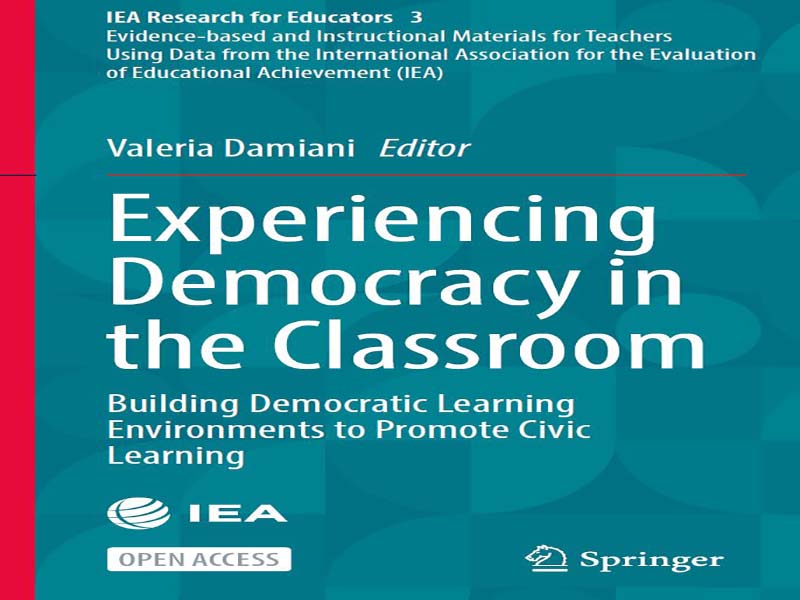
- عنوان کتاب: Experiencing Democracy in the Classroom Building Democratic Learning Environments to Promote Civic Learning
- نویسنده: Valeria Damiani
- حوزه: دموکراسی
- سال انتشار: 2026
- تعداد صفحه: 667
- زبان اصلی: انگلیسی
- نوع فایل: pdf
- حجم فایل: 1.87 مگابایت
آموزش مدنی و شهروندی (CCE) حوزهای پیچیده است. اگرچه این حوزه از دیدگاه دستاندرکاران آموزش در سطوح گوناگون — از سیاستگذاران گرفته تا مدیران و معلمان مدارس — یکی از ارکان اصلی نظام آموزشی محسوب میشود، اما همزمان حوزهای «چالشبرانگیز» تلقی میگردد که اجرای عملی آن اغلب دشوار است. این دشواری عمدتاً ناشی از ماهیت دوگانه آن است: این حوزه هم موضوعی با تعریف مشخص و دارای مضامین و اهداف یادگیری ویژه است و هم حوزهای عمیقاً میانرشتهای (فرارشتهای) که کل برنامه درسی و تجربیات متنوع دانشآموزان در داخل و خارج از مدرسه را در بر میگیرد. شکاف میان اصول اعلامشده و عملکرد واقعی مدارس — که بارها در پژوهشهای این حوزه مورد تأکید قرار گرفته است — تا حدی از همین ماهیت پیچیده و دوگانه آموزش مدنی و شهروندی ناشی میشود. در جوامع لیبرال-دموکراتیک، آموزش مدنی و شهروندی حوزهای خنثی نیست؛ بلکه عمیقاً ریشه در ارزشها و اصول دموکراسی، حقوق بشر و حاکمیت قانون دارد و از بحثهای سیاسی و عمومی پیرامون چگونگی شکلگیری جوامع تأثیر میپذیرد. از این منظر، محتوای برنامه درسی برای ایجاد آگاهی نسبت به مسائل تأثیرگذار بر جوامع ما ضروری است، اما به تنهایی کفایت نمیکند. ارزشها و اصول شهروندی نیازمند مصادیق عینی و کاربرد عملیِ آموزهها، مطالعات و مباحثی هستند که از طریق تجربه مستقیم حاصل میشوند. در آموزش مدنی و شهروندی، «رسانه همان پیام است»: ارزشها و اصول نه تنها باید شناخته و پیامدهای گوناگون آنها تحلیل شود، بلکه باید در عمل نیز به کار گرفته شوند. مدرسه در کلیت خود، با ترویج محیطهای یادگیری دموکراتیک که در آنها دانشآموزان میتوانند اصول دموکراسی را در فعالیتهای روزمره تجربه کنند، بستری ممتاز برای تجربه شهروندی دموکراتیک — چه در چارچوب برنامه درسی و چه فراتر از آن — فراهم میآورد. این کتاب با هدف ارائه پشتیبانی روششناختی و عملی به تمامی کسانی تدوین شده است که در مدارس فعالیت میکنند (بهویژه مدیران و معلمان) و مشتاقند ضمن توجه به ابعاد و چالشهای گوناگون آموزش مدنی و شهروندی، از ظرفیت کامل آن بهرهبرداری کنند. این اثر حاصل سالها تجربه پژوهشی است که از طریق مشارکت در مطالعات تطبیقی بینالمللی — نظیر «مطالعه بینالمللی آموزش مدنی و شهروندی» (ICCS) وابسته به انجمن IEA — و همچنین برنامههای آموزشی در سطوح ملی و بینالمللی به دست آمده است.
Civic and citizenship education (CCE) is a complex field. While it is considered a cornerstone of schooling by those involved in education at various levels—from policymakers to school leaders and teachers—it is simultaneously perceived as an “uncomfortable” area, often difficult to implement in educational practice. This difficulty stems primarily from its dual nature: it is both a well-defined subject area with its own specific themes and learning objectives, and, at the same time, an eminently crosscurricular area, involving the entire curriculum and the diverse experiences students have both inside and outside of school. The gaps between statements of principle and actual school practice, repeatedly highlighted by research in this field, derive in part from this complex, twofold nature of CCE. In liberal-democratic societies, civic and citizenship education is not a neutral field: it is deeply anchored in the values and principles of democracy, human rights, and the rule of law, and it is influenced by the political and public debate on how societies should be shaped. From this perspective, curricular content is necessary to build awareness of the issues affecting our societies, but it is not sufficient. The values and principles of citizenship require concrete examples and the practical application of what is taught, studied, and discussed through direct experience. In civic and citizenship education, “the medium is the message”: values and principles must be known and analyzed in their multiple implications, but they must also be practiced. The school as a whole represents a privileged context for experiencing democratic citizenship within and beyond the curriculum by promoting democratic learning environments where students can experience the principles of democracy in their daily practice. This book stems from the need to provide methodological and practical support to all those who live and work in schools (primarily principals and teachers) and who are interested in harnessing the full potential of CCE while addressing its manifold dimensions and challenges. It is the result of several years of research experience gained through participation in international comparative studies, such as the IEA International Civic and Citizenship Education Study (ICCS,) and through training programs both at international and national levels.
این کتاب را میتوانید از لینک زیر بصورت رایگان دانلود کنید:
Download: Experiencing Democracy in the Classroom























نظرات کاربران