











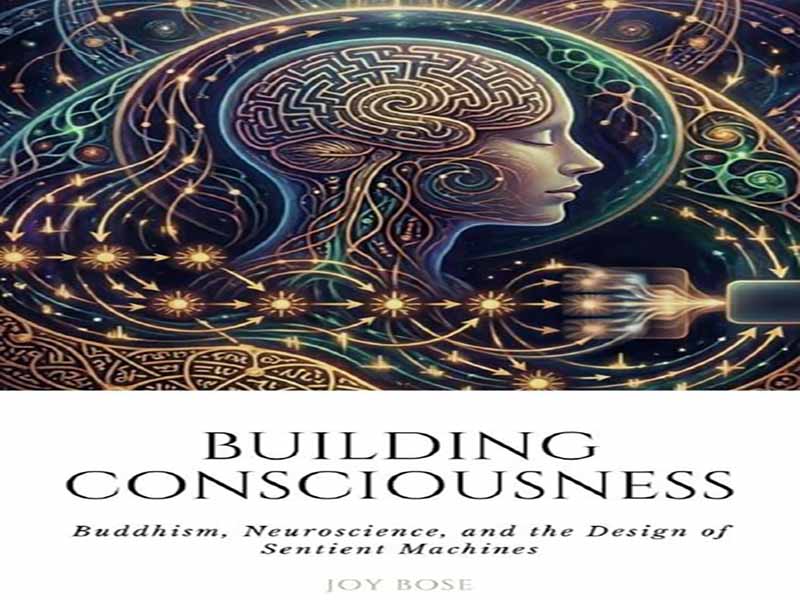
- عنوان کتاب: Building Consciousness Buddhism, Neuroscience, and the Design of Sentient Machines
- نویسنده: Joy Bose
- حوزه: خودآگاهی
- سال انتشار: 2026
- تعداد صفحه: 287
- زبان اصلی: انگلیسی
- نوع فایل: pdf
- حجم فایل: 2.78 مگابایت
آگاهی آنطور که ما میشناسیم، محاسبه نیست، بلکه یک فرآیند خودسازمانده، دارای انسجام زمانی، تجسمیافته، مبتنی بر عواطف است و حتی سیستمی که به طور کامل این الزامات را برآورده میکند، ممکن است هنوز از آگاهی پدیداری واقعی فاصله داشته باشد. سیستمهای هوش مصنوعی فعلی در گام اول شکست میخورند. یک نامزد جدی باید همه آنها را به طور همزمان برآورده کند. اینکه آیا در آن صورت به عمیقترین معنا آگاه خواهد بود، سوالی است که همچنان باز است و ممکن است همیشه باز بماند. این کتاب این استدلال را از سه جهت که به ندرت با هم تلاقی میکنند، مطرح میکند: دقت پدیدارشناختی روانشناسی بودایی (آبیدهاما، مادهیامیکا، دزوگچن)، بینشهای ساختاری علوم اعصاب معاصر (پردازش پیشبینیکننده، اطلاعات یکپارچه، دینامیک زمانی-مکانی) و محدودیتهای مهندسی هوش مصنوعی (آنچه سیستمهای فعلی فاقد آن هستند و آنچه یک معماری نامزد جدیتر به آن نیاز دارد). هیچ یک از این چارچوبها به تنهایی کافی نیستند. آنها با هم به چیزی دشوارتر و صادقانهتر از ایدهآلیسم بودایی یا پیروزی محاسباتی میرسند. تقریباً سه سوال همزمان مطرح شدند. این کتاب با یک لحظه واحد شروع نشد. این بحث با انباشتی طولانی، بیش از دو دهه، از زندگیهای موازی آغاز شد که تنها اخیراً به عنوان یک پژوهش واحد قابل تشخیص شدند. اولین نسخه از این استدلال در سال ۲۰۰۶، برای یک مجله دانشجویی بودایی در منچستر، مقالهای کوتاه برای مجله بودی نوشته شد که در آن علوم اعصاب و روایتهای بودایی از آگاهی و اراده آزاد مقایسه شده بود. من در آن زمان نوشتم که آگاهی «پدیدهای است که تمام حواس را به هم پیوند میدهد، که به عنوان پایهای از آگاهی عمل میکند که تمام تکانههای حسی، حافظه، احساسات بر روی آن عمل میکنند»، و علوم اعصاب و بودیسم در حال ترسیم یک قلمرو از دو سوی مخالف شکاف تجربه-مکانیسم هستند. سوالاتی که کتابی که در دست دارید به آنها میپردازد از آن زمان تاکنون تغییر نکردهاند. آنها فقط تیزتر شدهاند.
Consciousness as we know it is not computation but a temporally integrated, embodied, affectively grounded, self-organizing process, and even a system that fully satisfies those requirements may still fall short of genuine phenomenal awareness. Current AI systems fail at the first step. A serious candidate would need to satisfy all of them simultaneously. Whether it would then be conscious in the deepest sense is a question that remains open, and may always remain open. This book builds that argument from three directions that rarely meet: the phenomenological precision of Buddhist psychology (Abhidhamma, Madhyamika, Dzogchen), the structural insights of contemporary neuroscience (predictive processing, integrated information, temporo-spatial dynamics), and the engineering constraints of AI (what current systems lack, and what a more serious candidate architecture would require). None of these frameworks is sufficient alone. Together they converge on something more demanding and more honest than either Buddhist idealism or computational triumphalism. Three questions arrived at roughly the same time. This book did not begin with a single moment. It began with a long accumulation, more than two decades, of parallel lives that only recently became recognizable as a single inquiry. The earliest version of this argument was written in 2006, for a student Buddhist magazine in Manchester, a short article for Bodhi magazine comparing neuroscience and Buddhist accounts of consciousness and free will. I wrote then that consciousness is “the phenomenon that binds all the senses, that acts as a base of awareness on which all sense impulses, memory, feelings act”, and that neuroscience and Buddhism were mapping the same territory from opposite sides of the experience-mechanism divide. The questions the book you are holding addresses have not changed since then. They have only sharpened.
این کتاب را میتوانید از لینک زیر بصورت رایگان دانلود کنید:
Download: Building Consciousness
























نظرات کاربران