



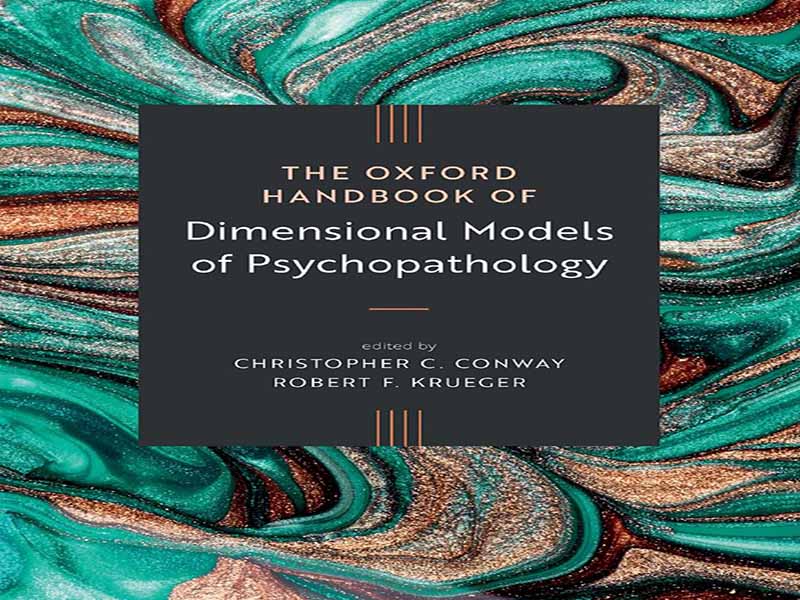
- عنوان کتاب: The Oxford Handbook of Dimensional Models of Psychopathology
- نویسنده: Christopher C. Conway, Robert F. Krueger
- حوزه: آسیبشناسی روانی
- سال انتشار: 2026
- تعداد صفحه: 372
- زبان اصلی: انگلیسی
- نوع فایل: pdf
- حجم فایل: 13.1 مگابایت
نحوه تشخیص مشکلات سلامت روان تقریباً بر هر جنبهای از علم و عمل بالینی تأثیر میگذارد. آنچه ما در نامگذاریهای رسمی لحاظ میکنیم، تعیین میکند که چه چیزی در این حوزه و جامعه به طور کلی، آسیبشناسی تلقی میشود و چه چیزی ارزش مطالعه و درمان دارد. در بخشهای حقوقی، اقتصادی و بهداشت عمومی نیز بازتابهایی وجود دارد. طبقهبندی اختلالات، یعنی طبقهبندی بیماریها، همیشه در حوزه سلامت روان بحثبرانگیز بوده است. با این وجود، حداقل از دهه 1980، یک مدل غالب وجود داشته است که افراد را به دستههای تشخیصی تعریف شده توسط فهرست علائم و نشانههای قابل مشاهده اختصاص میدهد. این سیستم طبقهبندی در دو طبقهبندی رسمی، طبقهبندی بینالمللی بیماریها (ICD) و راهنمای تشخیصی و آماری اختلالات روانی (DSM) تجسم یافته است. دستههای تشخیصی تشکیلدهنده، مانند اختلال اضطراب عمومی، اختلال دوقطبی و اختلال نقص توجه/بیشفعالی، سالهاست که زبان مشترک ارتباطات بالینی، طراحی مطالعه و انتشار یافتههای تحقیقاتی بودهاند. با این حال، امروزه ما در دوران تغییر الگو هستیم. روبریکهای تشخیصی جایگزین، جذابیت واقعی دارند، از جمله حمایت نهادهای دولتی و مالی بزرگ. اکثر آنها این فرض را که مشکلات سلامت روان از یکدیگر و از سلامت روان جدا هستند، به چالش میکشند. با وجود این مضمون مشترک، جایگزینها از نظر انگیزه، ساختار و کاربرد متنوع هستند. آنها طیف گستردهای از پیشینههای فکری و حرفهای را نشان میدهند و از نظر سیاسی، تمایل دارند توسط اردوگاههای مختلف تبلیغ شوند. اغلب این جایگزینها به عنوان رقیب به تصویر کشیده میشوند، حتی اگر به طور کلی از نظر ماهیتی سازگار باشند. این کتابچه راهنما، سیستمهای طبقهبندی را که مدلهای ابعادی آسیبشناسی روانی را نشان میدهند، گرد هم میآورد، یک الگوی (باز) نوظهور برای تشخیص. به طور کلی، تشخیص ابعادی شامل مفهومسازی مشکلات سلامت روان به عنوان موجود در یک یا چند پیوستار آسیبشناسی روانی است. رویکردهای ابعادی فرض میکنند که اطلاعات مربوط به تشخیص، توضیح و درمان آسیبشناسی روانی به طور مداوم در جمعیت توزیع میشود. به عبارت دیگر، تفاوتهای فردی در سلامت روان موضوعی از درجه است، نه نوع. در مقابل، طبقهبندیهای سنتی، که از طبقهبندیهای اولیه پزشکی نشأت گرفتهاند، عموماً فرض میکنند که افراد یا عضو یک دسته تشخیصی هستند یا نیستند و هیچ ناحیه خاکستری بین آنها وجود ندارد. در این جلد، هدف ما سازماندهی پژوهشهای فعلی در مورد مبانی مفهومی و تجربی دیدگاههای ابعادی در مورد آسیبشناسی روانی است. ما دیدگاههای ابعادی و طبقهبندی را در مقابل هم قرار میدهیم و سیستمهای ابعادی متنوع را با یکدیگر مقایسه میکنیم و به دنبال سازگاری مفهومی در مقابل واگرایی هستیم. ما جنبههایی از پیشینه نظری، ساختار، پشتیبانی تحقیقاتی و کاربردها و کاربرد بالینی این سیستمها را پوشش میدهیم. در نهایت، امیدواریم که گرد هم آوردن این دیدگاهها بتواند تفکر ما را در مورد چگونگی بهبود تشخیص توسط سیستمهای ابعادی، انباشت دانش در مورد ریشهها، همبستگیها و درمان آسیبشناسی روانی و استراتژیهای مداخله و پیشگیری برای مشکلات سلامت روان، ارتقا دهد.
The way we diagnose mental health problems affects nearly every aspect of clinical science and practice. What we include in official nomenclatures determines what the field, and society at large, deem pathological, and what is worth studying and treating. There are reverberations in legal, economic, and public health sectors, as well. Nosology, the classification of disorder, has always been controversial in the mental health field. Nevertheless, since at least the 1980s, there has been one dominant model, which assigns people to diagnostic categories defined by lists of observable signs and symptoms. This categorical system is embodied in two official taxonomies, the International Classification of Diseases (ICD) and Diagnostic and Statistical Manual of Mental Disorders (DSM). The constituent diagnostic categories, such as generalized anxiety disorder, bipolar disorder, and attention-deficit/hyperactivity disorder, have been for many years the common language for clinical communication, study design, and dissemination of research findings. Today, however, we are in an era of paradigm shift. Alternative diagnostic rubrics have real traction, including support from major governmental and funding bodies. Most of them challenge the assumption that mental health problems are categorically separate from one another and from mental health. Despite this common theme, the alternatives are diverse in terms of motivation, structure, and application. They represent a wide array of intellectual and professional backgrounds, and, politically, they tend to be promoted by different camps. Often these alternatives are portrayed as competitors, even if they are generally compatible substantively. This Handbook brings together classification systems that represent dimensional models of psychopathology, a (re)emerging paradigm for diagnosis. Broadly speaking, dimensional diagnosis involves conceptualizing mental health problems as existing on one or more continua of psychopathology. Dimensional approaches posit that the information relevant to diagnosing, explaining, and treating psychopathology is distributed continuously in the population. In other words, individual differences in mental health are a matter of degree, not kind. In contrast, traditional nosologies, descendants of early medical classifications, generally assume that people are either members or non-members of a diagnostic category, with no gray area in between. In this volume, our goal is to organize current scholarship on the conceptual and empirical bases for dimensional perspectives on psychopathology. We contrast dimensional and categorical views, and we compare the diverse dimensional systems to one another, probing for conceptual compatibility versus divergence. We cover aspects of the systems’ theoretical background, structure, research support and applications, and clinical utility. Ultimately, we hope that bringing these perspectives together can advance our thinking about how dimensional systems can improve diagnosis; accumulation of knowledge of the origins, correlates, and treatment of psychopathology; and intervention and prevention strategies for mental health problems.
این کتاب را میتوانید از لینک زیر بصورت رایگان دانلود کنید:
Download: The Oxford Handbook of Dimensional Models of Psychopathology
















نظرات کاربران