



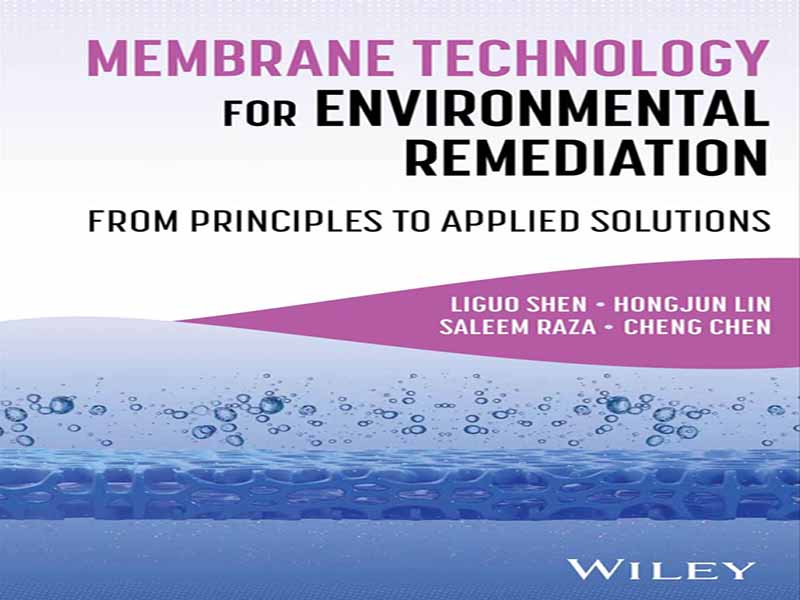
- عنوان کتاب: Membrane Technology for Environmental Remediation
- نویسنده: Prof. Dr. Liguo Shen
- حوزه: فناوری غشایی
- سال انتشار: 2026
- تعداد صفحه: 435
- زبان اصلی: انگلیسی
- نوع فایل: pdf
- حجم فایل: 11.8 مگابایت
مطالعه غشاها برای درک فرآیندهای مختلف بیولوژیکی و صنعتی بسیار مهم است. غشاها به عنوان موانع انتخابی عمل میکنند و انتقال مواد بین بخشهای مختلف را تنظیم میکنند. ساختارها و عملکردهای پیچیده آنها توسط اصولی مانند نفوذپذیری و گزینشپذیری اداره میشود. نفوذپذیری تعیین میکند که مواد چقدر آسان از غشا عبور میکنند، در حالی که گزینشپذیری تضمین میکند که فقط مولکولهای خاص اجازه عبور دارند و هموستاز را حفظ میکنند. این اصول برای طراحی غشاهای مصنوعی مورد استفاده در کاربردهای صنعتی مانند تصفیه آب و جداسازی گاز ضروری هستند. در اصلاح محیط زیست، غشاها رویکردی پیچیده برای مقابله با آلودگی و بازیابی منابع ارائه میدهند. فناوریهای غشایی مانند میکروفیلتراسیون (MF)، اولترافیلتراسیون (UF)، نانوفیلتراسیون (NF) و اسمز معکوس (RO) برای تصفیه آب و هوای آلوده توسعه یافتهاند. از فصلهای 1 تا 7، نقش حیاتی فناوری غشایی در اصلاح محیط زیست را به طور کامل بررسی کردهایم و مزایای آن را در تصفیه آب، تصفیه فاضلاب و حذف آلایندهها برجسته کردهایم. فناوری غشایی چندین مزیت قابل توجه، از جمله راندمان جداسازی بالا، توانایی حذف انتخابی آلایندههای خاص و نیاز به انرژی کمتر در مقایسه با روشهای تصفیه سنتی ارائه میدهد. این سیستم در حذف باکتریها، ویروسها، فلزات سنگین و آلایندههای آلی بسیار مؤثر است و آن را برای کاربردهایی مانند نمکزدایی، تصفیه فاضلاب صنعتی و تصفیه آب آشامیدنی ایدهآل میکند. علاوه بر این، ماهیت مدولار سیستمهای غشایی، مقیاسپذیری آسان و انعطافپذیری را در پرداختن به مسائل مختلف زیستمحیطی پشتیبانی میکند. با وجود این مزایا، سیستمهای غشایی با چالشهایی مانند رسوبگذاری مواجه هستند، که در آن آلایندهها روی سطح غشا تجمع مییابند و منجر به کاهش عملکرد و دوام میشوند. این مسئله نیاز به تمیز کردن و نگهداری منظم دارد که میتواند هم پرهزینه و هم زمانبر باشد. سرمایهگذاری اولیه بالا و نگرانیهای زیستمحیطی مربوط به دفع غشاهای غیرقابل تجزیه زیستی، پذیرش گسترده را بیشتر محدود میکند. علاوه بر این، گزینشپذیری غشا ممکن است برای دستیابی به حذف جامع آلایندهها به مراحل متعدد یا انواع مختلف غشا نیاز داشته باشد. انگیزه برای استفاده از غشاها در اصلاح محیط زیست ناشی از نیاز به راهحلهای پایدار و کارآمد است. روشهای سنتی کنترل آلودگی، مانند تصفیههای شیمیایی و فرآیندهای حرارتی، اغلب آلودگی ثانویه ایجاد میکنند و انرژی قابل توجهی مصرف میکنند. در مقابل، فناوریهای غشایی با به حداقل رساندن ضایعات و کاهش تقاضای انرژی، جایگزین سبزتری ارائه میدهند. پیشرفتها در علم مواد، غشاهای بادوامتر و مقاوم در برابر رسوبگذاری را به ارمغان آورده است که طول عمر را افزایش داده و هزینههای نگهداری را کاهش میدهد و در نتیجه، پایداری اقتصادی و سازگاری با محیط زیست را بهبود میبخشد. با وجود پیشرفتها، چالشها همچنان باقی هستند. رسوبگذاری همچنان به کاهش کارایی و افزایش هزینههای عملیاتی منجر میشود و تحقیقات در مورد پوششهای ضد رسوب و غشاهای خود تمیز شونده را برانگیخته است. هزینههای اولیه قابل توجه نیز موانعی را برای استقرار در مقیاس بزرگ ایجاد میکند. با این وجود، مزایای بلندمدت کاهش اثرات زیستمحیطی و صرفهجوییهای عملیاتی، سرمایهگذاری و نوآوری بیشتری را در این زمینه تقویت میکند. با نگاهی به آینده، پیشرفتها در فناوری غشا بر افزایش دوام، کاهش رسوبگذاری و بهبود مقرونبهصرفه بودن تمرکز دارند. تحقیقات فعلی در حال بررسی مواد جدیدی مانند گرافن و نانوکامپوزیتها است که عملکرد برتر و طول عمر بیشتری را ارائه میدهند. علاوه بر این، پیشرفتها در مهندسی سطح غشا و ایجاد سیستمهای هیبریدی که غشاها را با سایر روشهای تصفیه ترکیب میکنند، برای بهبود عملکرد کلی در حال پیگیری هستند. ادغام حسگرهای هوشمند و سیستمهای نظارت بر زمان واقعی نیز کنترل عملیاتی را تقویت میکند و فناوری غشا را به گزینهای پایدارتر و سازگارتر برای پرداختن به چالشهای اصلاح محیط زیست تبدیل میکند. در نتیجه، اگرچه فناوری غشایی با چالشها و فرصتهایی روبرو است، نوآوریهای مداوم آن اهمیت آن را در پرداختن به نیازهای آینده اصلاح محیط زیست تثبیت میکند. درک اصول غشایی و بهکارگیری این دانش برای آزادسازی پتانسیل کامل آنها بسیار مهم است. این کتاب فناوریهای غشایی مختلفی را بررسی کرده است که جایگزینهای مؤثر و پایداری برای روشهای سنتی کنترل آلودگی ارائه میدهند. تحقیق و توسعه مداوم برای غلبه بر محدودیتهای فعلی و پیشبرد غشاها به عنوان یک مؤلفه کلیدی در دستیابی به محیطی پاکتر و پایدارتر حیاتی است. دستاوردهای تحقیقاتی ما در این کتاب توسط برنامه تحقیق و توسعه “پیشگام” و “غاز پیشرو” ژجیانگ (2024C03124)، بنیاد ملی علوم طبیعی چین (شماره 52070170)، بنیاد علوم جوانان برجسته استانی ژجیانگ (شماره LR22E080007)، دانشگاه ژجیانگ نرمال و همه همکاران و دانشجویان تیم ما و همچنین همکاران پشتیبانی و مشارکت شده است. مایلم از حمایت و همکاری آنها تشکر کنم.
The study of membranes is crucial for understanding various biological and industrial processes. Membranes act as selective barriers, regulating the transport of substances between different compartments. Their complex structures and functions are governed by principles such as permeability and selectivity. Permeability determines how easily substances pass through the membrane, while selectivity ensures that only specific molecules are allowed passage, maintaining homeostasis. These principles are essential for designing artificial membranes used in industrial applications like water purification and gas separation. In environmental remediation, membranes offer a sophisticated approach to tackling pollution and resource recovery. Membrane technologies such as microfiltration (MF), ultrafiltration (UF), nanofiltration (NF), and reverse osmosis (RO) have been developed to treat contaminated water and air. From Chapters 1 to 7, we have thoroughly examined the critical role of membrane technology in environmental remediation, highlighting its advantages in water purification, wastewater treatment, and contaminant removal. Membrane technology offers several significant advantages, including high separation efficiency, the ability to selectively remove specific contaminants, and lower energy requirements compared to traditional treatment methods. It is highly effective in eliminating bacteria, viruses, heavy metals, and organic pollutants, making it ideal for uses such as desalination, industrial wastewater treatment, and drinking water purification. Additionally, the modular nature of membrane systems supports easy scalability and flexibility in addressing diverse environmental issues. Despite these benefits, membrane systems face challenges such as fouling, where contaminants build up on the membrane surface‐leading to reduced performance and durability. This issue demands regular cleaning and upkeep, which can be both costly and time‐consuming. The high initial investment and the environmental concerns related to the disposal of nonbiodegradable membranes further constrain widespread adoption. Additionally, membrane selectivity may require multiple stages or different membrane types to achieve comprehensive contaminant removal. The drive to apply membranes in environmental remediation stems from the need for sustainable and efficient solutions. Traditional pollution control methods, such as chemical treatments and thermal processes, often produce secondary pollution and consume significant energy. In contrast, membrane technologies offer a greener alternative by minimizing waste and lowering energy demand. Advances in material science have yielded more durable, fouling‐resistant membranes, enhancing lifespan and reducing maintenance costs, thereby improving economic viability and environmental compatibility. Despite progress, challenges remain. Fouling continues to impair efficiency and raise operating costs, prompting research into anti‐fouling coatings and self‐cleaning membranes. The considerable upfront costs also pose barriers to large‐scale deployment. Nevertheless, the long‐term benefits reduced environmental impact and operational savings are fostering increased investment and innovation in this field. Looking ahead, advancements in membrane technology focus on enhancing durability, reducing fouling, and improving costeffectiveness. Current research is exploring novel materials such as graphene and nanocomposites, which offer superior performance and extended lifespans. Moreover, advancements in membrane surface engineering and the creation of hybrid systems that combine membranes with other treatment methods are being pursued to improve overall performance. The incorporation of smart sensors and real‐time monitoring systems also strengthens operational control, making membrane technology a more sustainable and adaptable option for addressing environmental remediation challenges. In conclusion, although membrane technology faces both challenges and opportunities, its ongoing innovations solidify its importance in addressing future environmental remediation needs. Understanding membrane fundamentals and applying this knowledge is crucial for unlocking their full potential. This book has examined various membrane technologies that provide effective, sustainable alternatives to traditional pollution control methods. Continued research and development are vital for overcoming current limitations and advancing membranes as a key component in achieving a cleaner and more sustainable environment. Our research achievements in this book were supported and contributed by “Pioneer” and “Leading Goose” R&D Program of Zhejiang (2024C03124), National Natural Science Foundation of China (No. 52070170), Zhejiang Provincial Outstanding Youth Science Foundation (No. LR22E080007), Zhejiang Normal University, and all colleagues and students in our team, as well as collaborators. I would like to thank their support and cooperation sincerely.
این کتاب را میتوانید از لینک زیر بصورت رایگان دانلود کنید:















نظرات کاربران