


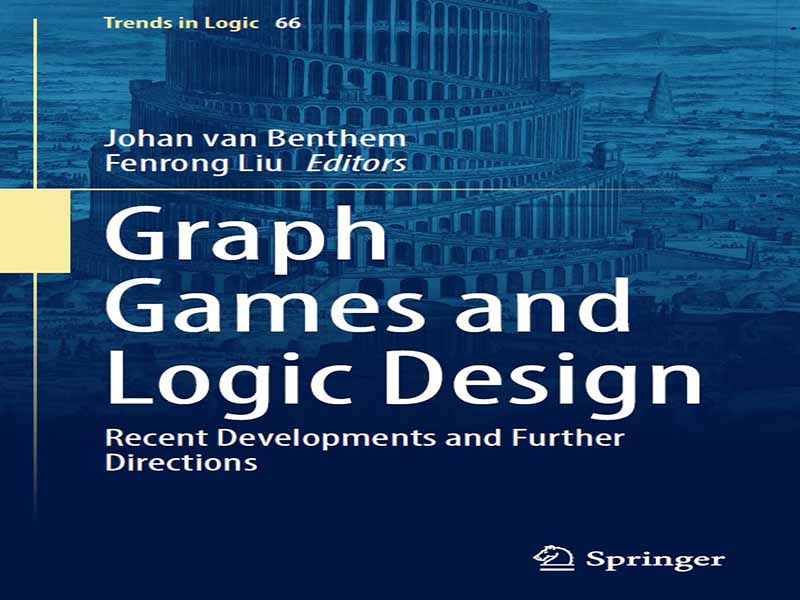
- عنوان کتاب: Artificial Intelligence Applications in Dermatology -Dermatology ex Machina Clinical applications
- نویسنده: Emmanouil Karampinis, Efterpi Zafiriou
- حوزه: پوستشناسی
- سال انتشار: 2026
- تعداد صفحه: 551
- زبان اصلی: انگلیسی
- نوع فایل: pdf
- حجم فایل: 11.1 مگابایت
ادغام هوش مصنوعی (AI) در زندگی روزمره ما غیرقابل انکار است. هوش مصنوعی بر نحوه مدیریت وظایف، نحوه ایجاد متن و نحوه انجام محاسبات ما تأثیر گذاشته است. دنیای پزشکی نیز از این تغییر مستثنی نیست، به ویژه پوست شناسی که تخصصی است که عمدتاً مبتنی بر الگوهای تصویر و ارزیابی بصری است. در نتیجه، این کتاب برای سادهسازی نحوه کار هوش مصنوعی، نشان دادن آنچه کاربردهای هوش مصنوعی میتوانند به تخصص ما ارائه دهند و ارائه راهنماییهای عملی در مورد چگونگی انجام وظایف مختلف توسط هوش مصنوعی بر روی چندین بیماری پوستی، از سرطان پوست (ملانوما، سرطان پوست غیرملانوما (NMSC) و سرطانهای تقلیدکننده سرطان پوست) گرفته تا درماتوزهای التهابی (پسوریازیس، درماتیت آتوپیک، آکنه، روزاسه و درماتوزهای تاولی) و اختلالات زائده پوستی (بیماریهای ناخن و آلوپسی) تهیه شده است. درمانهای زیبایی پوست و کاربردهای لیزر نیز بررسی شده است. این کتاب به عنوان یک کتاب درسی ارزشمند برای همه متخصصان پوست که میخواهند درباره فناوری هوش مصنوعی و چگونگی تأثیر این جهش تکنولوژیکی بر رویکرد پوست شناسی و بهبود عملکرد بالینی خود بیشتر بدانند، عمل میکند. این کتاب با بخش اول آغاز میشود – که بر اصول بنیادی هوش مصنوعی و تأثیر اجتماعی پوستشناسی مبتنی بر هوش مصنوعی در ابعاد مختلف (آموزش پوستشناسی، چارچوب قانونی هوش مصنوعی، جنبه مهم اخلاق و پویایی رابطه بیمار و متخصص پوست که به نظر میرسد توسط هوش مصنوعی تغییر میکند) تمرکز دارد. خواننده ابتدا با مفاهیم اساسی فناوری هوش مصنوعی روبرو میشود و نحوه عملکرد هوش مصنوعی را به روشنی درک میکند (اصول یادگیری ماشین و عمیق، مدلهای زبانی بزرگ و غیره) (فصل 1). این بخش همچنین توضیح میدهد که چگونه مدلهای هوش مصنوعی میتوانند تصاویر پوست را «بخوانند» و بر اساس آموزش خود به نتیجه برسند. این ثابت میکند که چرا پوستشناسی زمینه ایدهآلی برای پیشرفت هوش مصنوعی است (فصل 2). شایان ذکر است که فصل 1 یک جدول واژهنامه ارائه میدهد که شامل اصطلاحات مورد استفاده در فناوری هوش مصنوعی است که خوانندگان در صورت برخورد با آنها در سایر بخشهای کتاب ممکن است نیاز به توضیح داشته باشند. فصل 3 بر چگونگی تغییر نحوه آموزش پوستشناسی توسط هوش مصنوعی، از فرآیند یادگیری گرفته تا روشهای تدریس در این تخصص، تمرکز دارد. فصل ۴ پارامترهای قانونی که باید رعایت شوند و همچنین مرزهای قانونی که متخصصان پوست نباید هنگام استفاده از فناوری هوش مصنوعی در تخصص خود از آنها تجاوز کنند را برجسته میکند. حوزه فصل ۵ بخش اخلاقی است که همیشه باید در نظر گرفته شود و متخصصان پوست نباید فراموش کنند که ماشین نمیتواند جایگزین عنصر ارزشمند انسانی در مراقبت از بیمار شود. بخش دوم به بررسی سهم هوش مصنوعی در رویکرد سرطان پوست، عمدتاً تشخیص و همچنین درمان و نظارت بر بیمار میپردازد. فصل ۶ نمونههای عملی از کمک هوش مصنوعی در بیماران NMSC را ارائه میدهد، در حالی که فصل ۷ گزارش مفصلی از پیشرفتهای هوش مصنوعی در تشخیص ملانوما ارائه میدهد، که در آن مدلهای هوش مصنوعی به اثربخشی بالایی در تشخیص سرطان پوست دست یافتهاند و هوش مصنوعی به دستیاری ارزشمند برای متخصصان پوست تبدیل شده است. فصل ۸ مثالها و مطالعاتی در مورد تقلیدکنندگان سرطان پوست ارائه میدهد که عمدتاً به عنوان موارد کنترل عمل میکنند و توانایی مدلهای هوش مصنوعی را در تمایز بین ضایعات پوستی بدخیم و خوشخیم نشان میدهد. بخش سوم به درماتوزهای التهابی (پسوریازیس (فصل 9)، درماتیت آتوپیک (فصل 10)، آکنه (فصل 11)، روزاسه (فصل 12) و درماتوزهای تاولی (فصل 13)) با تمرکز بر ارزیابی شدت ذهنی هوش مصنوعی از این بیماریها میپردازد. تواناییهای تمایز هوش مصنوعی، به ویژه در موارد چالشبرانگیز پوست التهابی و همچنین کاربرد آن در ارزیابی بالینی نیز ارائه شده است. پزشکی شخصیسازیشده و پوستشناسی متناسب با هوش مصنوعی نیز موضوعاتی هستند که با مثالهایی از بیماران دنیای واقعی که از همکاری هوش مصنوعی و متخصصان پوست بهرهمند میشوند، توضیح داده شدهاند. بخش چهارم به دنیای کاربردهای زیبایی، استراتژیهای درمان پوست و روشهایی که هوش مصنوعی میتواند در این زمینهها کمک کند، میپردازد. فصلهای 14 و 15 توضیح میدهند که چگونه مدلهای هوش مصنوعی میتوانند کیفیت پوست را از قبل ارزیابی کنند، نیازهای پوست را شناسایی کنند و برنامه مراقبت از پوست شخصیسازیشده را پیشنهاد دهند. حوزه درمانهای تزریقی نیز به عنوان مفهوم «قبل از نگاه کردن، رزرو کنید» مورد استفاده قرار میگیرد، با شبیهسازیهای ساخته شده توسط هوش مصنوعی از هوش مصنوعی که پیشبینی میکند بیمار پس از یک درمان یا روش خاص چگونه مراقبت خواهد کرد، روشهای مراقبت را دوباره تعریف میکند. فصل ۱۶ بر ادغام هوش مصنوعی در کاربردهای لیزر تأکید میکند و نگاهی اجمالی به انقلاب فناوری پوست که در انتظار است، نشان میدهد! بخش پنجم (فصلهای ۱۷ و ۱۸) پیشرفتهای هوش مصنوعی در رویکرد آلوپسی و اختلالات ناخن را ارائه میدهد که مراقبت و پیگیری بیماران را تسهیل میکند. به عنوان مثال، شمارش خودکار فولیکولهای مو توسط هوش مصنوعی، زمان قابل توجهی را برای پزشکان صرفهجویی میکند. بخش ششم بخش پایانی کتاب است که بر موفقیتهایی (فصل ۱۹) که هوش مصنوعی تاکنون به آن دست یافته است (دقت تشخیص عالی، ارزیابی ذهنی، رویکرد شخصیسازی شده و مدلهای هوش مصنوعی و رباتهای چت با دسترسی آسان) و همچنین محدودیتهایی (فصل ۲۰) که هوش مصنوعی در هر بیماری پوستی و در هر جنبهای از عمل پوستشناسی وجود دارد و متخصصان پوست باید از آنها آگاه باشند (تشخیص بیش از حد، توهم و سوگیری) تمرکز دارد…
The integration of Artificial Intelligence (AI) into our everyday life is undeniable. AI has affected how we manage tasks, how we create texts, and how we make calculations. The world of medicine is not an exception to this change, and particularly Dermatology, which is a specialty based mainly on image patterns and visual assessment. As a result, this book was created to simplify how AI works, to show what AI applications can offer to our specialty, and to provide practical guidance on how AI can perform different tasks on multiple skin entities, ranging from skin cancer (melanoma, non-melanoma skin cancer (NMSC), and skin cancer mimickers) to inflammatory dermatoses (psoriasis, atopic dermatitis, acne, rosacea, and bullous dermatoses) and skin appendage disorders (nail diseases and alopecia). Cosmetic dermatology and laser applications treatments are also explored. This book serves as an invaluable textbook to all dermatologists, who want to know more about AI technology and how this technological swift can affect Dermatology approach and enhance their clinical practice. The book begins with Part I—which focuses on AI fundamental principles and the social impact of AI-powered Dermatology across various dimensions (Dermatology education, legal framework of AI, the important aspect of ethics, and the patient-dermatologist relationship dynamics that seem to be altered by AI). The reader firstly would encounter the basic concepts of AI technology and would understand how AI operates in a clear manner (principles of machine and deep learning, large language models, etc.) (Chap. 1). This section also explains how AI models can “read” skin images and conclude to a result based on their training. This proves why Dermatology is the ideal field for AI to thrive (Chap. 2). Worth mentioning is that Chap. 1 presents a glossary table, containing terms used in AI technology that readers might need clarification on if they come across them in other parts of the book. Chapter 3 centers on how AI changes the way Dermatology is educated, from learning process to teaching methods within the specialty. Chapter 4 highlights the legal parameters that must be respected as well as the legal boundaries that dermatologists should not exceed when using AI technology in their specialty. Chapter 5 scope is the ethics part that should always be considered, and dermatologists should not forget that machine cannot replace the invaluable human element in patient’s care. Part II examines the AI contribution to skin cancer approach, mainly diagnosis as well as treatment and patient monitoring. Chapter 6 provides practical examples of AI assistance in NMSC patients while Chap. 7 reports a detailed presentation of AI advancements in melanoma diagnosis, with AI models achieving great efficacy in skin cancer detection and AI becoming an invaluable assistant to dermatologists. Chapter 8 presents examples and studies on skin cancer mimickers that stand mainly as control cases and demonstrates the ability of AI models to distinguish between malignant and benign skin lesions. Part III moves to inflammatory dermatoses (psoriasis (Chap. 9), atopic dermatitis (Chap. 10), acne (Chap. 11), rosacea (Chap. 12), and bullous dermatoses (Chap. 13)) with a focus on the AI subjective severity assessment of those diseases. AI differentiation abilities especially in case of challenging cases of inflammatory skin as well as its use in clinical evaluation are also presented. Personalized medicine and AI-tailored dermatology are also topics explained with examples of real-world patients being benefiting from the cooperation of AI and dermatologists. Part IV steps into the world of cosmetic applications, skin treatment strategies, and the ways that AI can assist in those areas. Chapters 14 and 15 explain how AI models can pre-assess skin quality, identify skin needs, and propose personalized skin-care plan. The area of injection treatments is also benefited as the “Book before you look” concept, with AI-crafted simulations of AI that predicts how the patient would look after a specific treatment or procedure redefines care methods. Chapter 16 underlines the AI integration into laser applications and shows glimpses of the technology revolution of Dermatology that awaits! Part V (Chaps. 17 and 18) presents the AI developments into alopecia and nail disorders approach facilitating patients’ care and follow-up. For example, the AI-automated counting of hair follicles saves practitioners substantial amount of time. Part VI is the final section of the book focusing on the successes (Chap. 19) that AI has achieved so far (great diagnosis accuracy, subjective assessment, personalized approach, and easy-to-reach AI models and chatbots) as well as the limitations (Chap. 20) that AI present in every skin disease and in every aspect of Dermatology practice that dermatologists should be aware of (overdiagnosis, hallucinations, and bias). Toward this direction, Chaps. 21 and 22 present data regarding limitations on the context of age and skin of color parameters and emphasizes the need for more population specific AI model training. Chapter 23 includes reports of a dermatologist, a bioengineer, a law expert, and an AI chatbot discussing whether AI would replace dermatologists. They conclude that is highly unlikely but dermatologists with AI knowledge and expertise have the potential to replace the ones who do not possess that skill. Only time will tell!
این کتاب را میتوانید از لینک زیر بصورت رایگان دانلود کنید:
Download: Artificial Intelligence Applications in Dermatology












نظرات کاربران