













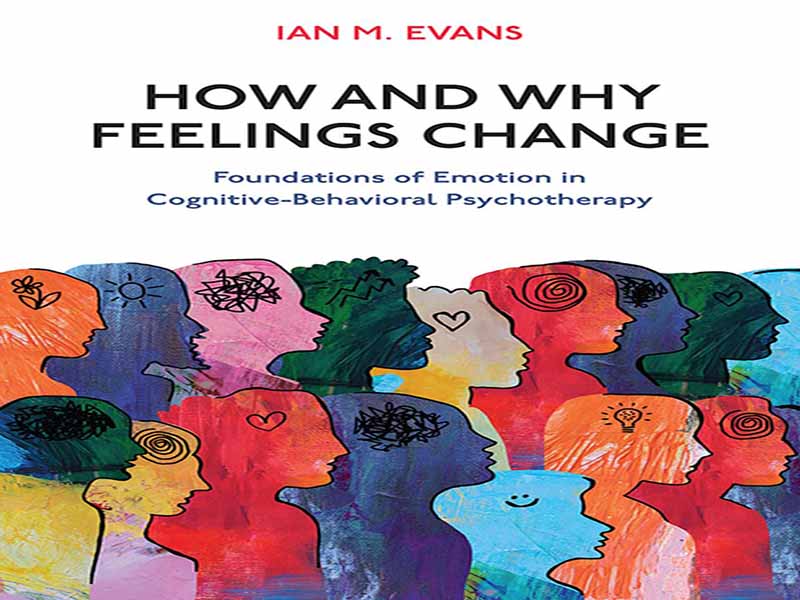
- عنوان کتاب: How and Why Feelings Change -Foundations of Emotion in Cognitive-behavioral Psychotherapy
- نویسنده: Ian M. Evans
- حوزه: احساسات
- سال انتشار: 2026
- تعداد صفحه: 392
- زبان اصلی: انگلیسی
- نوع فایل: pdf
- حجم فایل: 3.47 مگابایت
مجموعهای گیجکننده از رویکردهای روانشناختی برای درمان بالینی وجود دارد – دایرهالمعارف روشهای رواندرمانی هرسن و اسلج (۲۰۰۲) به دو جلد میرسد. مکاتب فکری متمایزی مانند رفتاری، شناختی، اجتماعی-فرهنگی یا روانپویشی وجود دارد. چهارده سیستم متمایز در کتاب رواندرمانیهای کنونی ودینگ و کورسینی (۲۰۱۸) پوشش داده شده است. در هر سیستم، اصول و نظریههای بنیادی متفاوتی وجود دارد و در هر نظریه، تکنیکهای متفاوتی وجود دارد. در واقعیت، تکنیکهایی که رواندرمانگران استفاده میکنند، آنقدرها که گاهی اوقات به نظر میرسد متمایز نیستند، زیرا بستههای درمانی معمولاً تعداد محدودی از «عناصر مشترک» دارند (چورپیتا و همکاران، ۲۰۰۷). و آنچه که به نظر میرسد تفاوتها هستند، اغلب در اصطلاحات مورد استفاده، ساختارهای مورد تأکید و منطق نظری ارائه شده هستند (گلدفرید و همکاران، ۲۰۱۱). دلیل این امر این است که تکنیکهای کمک به تغییر مراجعین، حتی آنهایی که ادعا میکنند «مبتنی بر شواهد» هستند، تا حدودی فرقهای هستند تا اینکه توسط یک پایه علمی پذیرفته شده جهانی پشتیبانی شوند. درمانهای جدید اغلب رهبران، پیروان و طرفداران تأثیرگذاری دارند – کارگاهها و فرصتهای آموزشی ارائه میدهند – که توسط مطالعاتی که بهطور خاص برای نشان دادن اثربخشی آنها طراحی شدهاند، پشتیبانی میشوند. اثربخشی آنها معمولاً کمتر مستند شده است. معمولاً فقط نتایج مثبت گزارش میشود، اما علاقه فزایندهای به اثرات نامطلوب احتمالی مداخلات روانشناختی وجود دارد (کلاین و همکاران، 2024). مطالعاتی که ایدههای درمانی جدید را ارزیابی میکنند، بهندرت مطالعات فرآیندی هستند که نشان میدهند یک روش به دلیل اصول تشریحشده مؤثر بوده است. جدا کردن عوامل گیجکننده با تأثیرات قدرتمندی مانند انتظارات مراجع، نقش اجتماعی مراجع بودن و رابطه عاطفی با درمانگر دشوار است. مطالعات نتیجه معمولاً نشان نمیدهند که آیا یک روش جدید از یک روش قدیمی بهتر است یا خیر، یا اینکه چقدر بهتر است. “درمان طبق معمول” که توسط گروه کنترل دریافت میشود، معمولاً یک درمان معتبر از دهههای گذشته نیست. این گسترش روشها و تاکتیکهای درمانی که ظاهراً پایه و اساس تحقیقاتی دارند، میتواند هم برای مصرفکنندگان و هم برای درمانگران گیجکننده باشد. در حالی که دانشگاهیان سرسخت استدلال کردهاند که فقط روشهای معتبر تجربی باید توسط پزشکان استفاده شوند، مطالعات انجام شده در مورد آنچه پزشکان در عمل انجام میدهند، بارها تأیید کرده است که اکثر آنها التقاطی هستند. «من از تکنیکهای مختلف بر اساس نیازها و مشکلات مراجع استفاده میکنم»؛ «من اغلب ترکیبی از روشها را معرفی میکنم»؛ «من رویکردهای رفتاری واقعبینانه را دوست دارم، اما گاهی اوقات ایدههایی از روانکاوی را در آن میآمیزم»؛ «من انعطافپذیر هستم، بنابراین همیشه مایلم پس از شرکت در یک کارگاه، یک روش جدید را امتحان کنم.» من این نوع اظهارات را از بسیاری از پزشکان، دانشجویان سابق و همکارانم برای دههها شنیدهام – و با احترام دلیل آن را درک میکنم. آرنولد لازاروس (۲۰۰۱)، یکی از پیشگامان برجسته رفتاردرمانی بالینی، نوشت که چگونه تجربیاتش با مراجعان متنوع، او را به تکیه بر طیف وسیعی از تکنیکهای مختلف سوق داد، روشی که او آن را «درمان چندوجهی» نامید. یک رویکرد متفاوت برای تدوین و اجرای مداخلات روانشناختی برای کمک به افراد در کنار آمدن، پیشرفت و مدیریت زندگی خود وجود دارد. به جای تلاش برای اعتبارسنجی تجربی هر تکنیک جدیدی که کسی ابداع میکند، اصول مداخله بنیادی را میتوان از دانش علمی فعلی و درک بسیاری از فرآیندهای روانشناختی که معمولاً بر افراد تأثیر میگذارند، استخراج کرد (ایوانز، ۱۹۹۶). سپس، بر اساس آن اصول علمی، میتوان روشهایی را ابداع کرد که اثربخشی آنها برای هر مراجع از طریق نظارت دقیق (توسط مراجع و درمانگر) پیشرفت به سمت اهداف از پیش تعیین شده، تعیین شود. مدتها پیش در بریتانیا، مونت شاپیرو، مربی برجسته روانشناسی بالینی زمان خود، از مفهوم حضور مراجع در یک مطالعه تحقیقاتی بالینی N از 1 حمایت کرد (شاپیرو، ۱۹۶۹). این به یکی از اصول بنیادی رفتاردرمانی کاربردی تبدیل شد. چند رهبر دانشگاهی شناخته شده در روانشناسی بالینی وجود دارند که مدتهاست از نوعی از این رویکرد “مراقبت مبتنی بر اندازهگیری” حمایت میکنند (کاستونگوی و همکاران، ۲۰۲۱؛ گلدفرید، ۲۰۱۱). جدیدترین و پیچیدهترین استدلالها توسط لیتز (۲۰۲۳a) و لوینسون و همکاران (۲۰۲۵) ارائه شده است. و این، همه چیز معقول و قابل انجام به نظر میرسد، به جز اینکه دانش پایه روانشناسی به سرعت تغییر میکند، پیچیده است، به راحتی آموخته نمیشود و معمولاً در اوایل آموزش – در برنامه درسی معمول روانشناسی دوره کارشناسی – آموزش داده میشود تا بعداً در بخش کاربردیتر مواجهه کارآموز با مراجعان واقعی. علاوه بر این، درصد زیادی از تحقیقات روانشناسی ارتباط محدودی با وظیفه بالینی تلاش برای ایجاد تغییر در مراجع دارد، که هدف رواندرمانی است. در دو کار قبلی، من سعی کردم این شکاف را با خلاصه کردن مفاهیم اساسی اصلی از مبانی درمان شناختی-رفتاری (CBT) برای متخصصان فعلی و آینده پر کنم.
There is a bewildering array of psychological approaches to clinical therapy—Hersen and Sledge’s (2002) encyclopedia of psychotherapy methods runs to two volumes. There are distinctive schools of thought, such as behavioral, cognitive, socio-cultural, or psychodynamic. Fourteen distinct systems are covered in Wedding and Corsini’s Current Psychotherapies (2018). Within each system, there are different foundational principles and theories, and within each theory, there are different techniques. In reality, the techniques that psychotherapists use are not as distinct as they sometimes seem, as treatment packages tend to have a limited number of “common elements” (Chorpita et al., 2007). And what appear to be differences are often in the terms used, the constructs emphasized, and the theoretical rationales offered (Goldfried et al., 2011). This is because techniques for helping clients change are somewhat cultish rather than supported by a universally accepted scientific foundation, even those claiming to be “evidence-based.” New therapies often have influential leaders, followers, and advocates—offering workshops and training opportunities—backed by studies specifically designed to demonstrate their efficacy. Their effectiveness is usually less welldocumented. Only positive outcomes are typically reported, but there is increasing interest in the possible adverse effects of psychological interventions (Klein et al., 2024). Studies evaluating new treatment ideas are rarely process studies demonstrating that a method worked because of the principles expounded. Confounds with powerful influences such as client expectancies, the social role of being a client, and the emotional relationship with the therapist, are difficult to separate. Outcome studies typically do not show if or by how much a new procedure is better than an old one. The “treatment as usual” received by the control group is not usually a well-validated treatment from the previous decades. This expansion of therapeutic methods and tactics that have an ostensible basis of research support can be confusing for both consumers and therapists. While stauncher academics have argued that only empirically validated methods should ever be used by practitioners, studies of what clinicians do in practice have repeatedly confirmed that most are self-described eclectics. “I use different techniques according to the client’s needs and problems”; “I often introduce a combination of methods”; “I like down-to-earth behavioral approaches, but I sometimes incorporate ideas from psychoanalysis”; “I’m flexible, so I’m always willing to try out a new method after attending a workshop.” I have heard these kinds of statements from many fellow clinicians, former students, and colleagues for decades—and I respectfully understand why. Arnold Lazarus (2001), one of the foremost pioneers of clinical behavior therapy, wrote how his experiences with diverse clients led him to rely on a whole variety of different techniques, a practice he called “multimodal therapy.” There is one different approach to formulating and implementing psychological interventions for helping people cope and thrive and manage their lives. Rather than trying to empirically validate each new technique someone devises, the foundational intervention principles could be drawn from current scientific knowledge and an understanding of the many psychological processes that typically influence people (Evans, 1996). Then, based on those scientific principles, methods could be devised with their effectiveness determined for each individual client through careful monitoring (by both client and therapist) of progress towards previously established goals. Long ago in Britain, Monte Shapiro, the leading clinical psychology educator of his day, advocated the concept of the individual client being in an N-of-1 clinical research study (Shapiro, 1969). This became one of the founding principles of applied behavior therapy. There are a few well-known academic leaders in clinical psychology who have long advocated some version of this “measurement-based care” approach (Castonguay et al., 2021; Goldfried, 2011). The most recent and increasingly sophisticated arguments have been offered by Litz (2023a) and Levinson et al. (2025). And that, all sounds sensible and doable, except that the basic psychological knowledge itself changes rapidly, is complex, not easily learned, and usually taught during an early part of training—in the typical undergraduate psychology curriculum—rather than later in the more applied part of a trainee’s exposure to real-life clients. Furthermore, a huge percentage of the psychological research is of only limited relevance to the clinical task of trying to effect change in a client, which is the purpose of psychotherapy. In two previous works, I attempted to fill that gap by summarizing for present and future practitioners of cognitive-behavioral therapy (CBT) the major fundamental concepts from basic and applied psychology having relevance to the design of treatment for any problem. The first volume, How and why people change, explained how therapy can be focused on how to change behaviors (things like skills, habits, impulses, reactions, and so on—what people do) when those facing a problem are seeking treatment. The second volume, How and why thoughts change, is focused on how thoughts (ideas, memories, reasoning, decisions, understanding) change. The focus of this third volume in the series, How and why feelings change, is on how feelings (emotions, moods, likes and dislikes, values, motives, attitudes) emerge, evolve, and change. Needless to say, human activity always involves all three: overt behavior, internal cognition, and affect, working together all the time. Actions, thoughts, and feelings are not truly separable parts of the human condition, but they have been studied individually as partly separable categories. The theoretical literature still tends to be influenced strongly by a certain intellectual rivalry—cognitive scientists might argue that emotions depend on appraisal and judgment of a situation, behavior analysts emphasize context and consequences over inner thoughts and reasoning, neuroscientists focus on brain activity (especially neural circuits and hormonal), sociobiologists on evolutionary forces, social learning theorists think of modeling, culture, and shared language, humanistic therapists are immersed in constructivist models of meaning-making, and psychoanalytic scholars see emotional forces engaged in battle with conscious thoughts, selfpreservation, and social rules. It’s a theoretical jungle out there. For both practitioners and trainees, this third book hopes to provide you with a compass, a machete, and insect repellant to make your way through it.
این کتاب را میتوانید از لینک زیر بصورت رایگان دانلود کنید:
Download: How and Why Feelings Change

























نظرات کاربران