












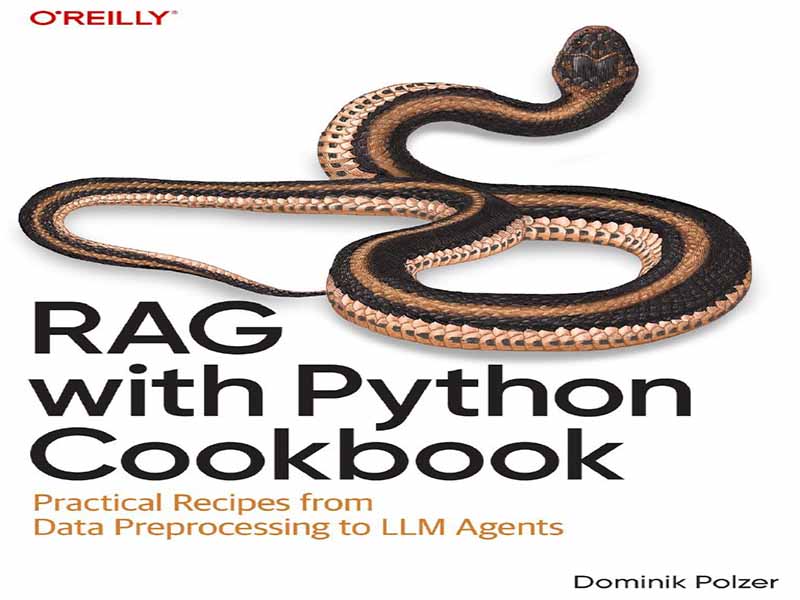
- عنوان کتاب: RAG with Python Cookbook -Practical Recipes from Data Preprocessing to LLM Agents
- نویسنده: Dominik Polzer
- حوزه: عامل هوش مصنوعی
- سال انتشار: 2026
- تعداد صفحه: 499
- زبان اصلی: انگلیسی
- نوع فایل: pdf
- حجم فایل: 22.1 مگابایت
در سال ۲۰۱۷، محققان گوگل مقاله «توجه، تمام چیزی است که نیاز دارید» را منتشر کردند و معماری ترانسفورمر را معرفی کردند، پیشرفتی که هوش مصنوعی مدرن را تغییر شکل داد. طی سالهای بعد، مدلهای بنیادی بزرگ نشان دادند که وقتی این ایدهها مقیاسبندی میشوند چه اتفاقی میافتد. مدلها شروع به نوشتن متن منسجم، پاسخ به سوالات پیچیده و تولید کد کاربردی کردند. برای اولین بار، سیستمهای نرمافزاری میتوانستند با زبان به روشهایی تعامل کنند که در کاربردهای واقعی به طور گسترده مفید به نظر میرسیدند، نه فقط در نسخههای نمایشی تحقیقاتی چشمگیر. با این حال، این مدلها یک محدودیت مهم داشتند. آنها قدرتمند اما منزوی بودند، مستعد توهم حقایق، عدم دسترسی به اطلاعات بهروز و عدم توانایی کار با دادههای خصوصی شرکتها. بازیابی افزوده تولید (RAG) با ترکیب مدلهای زبانی با منابع دانش خارجی، این شکافها را برطرف میکند. من RAG و RAG عاملمحور را گامی کلیدی به سوی سیستمهای هوش مصنوعی میبینم که حل مسئله انسانی را تقلید میکنند. آنها به طور فعال اطلاعات جدید را جمعآوری میکنند، آن را در متن تفسیر میکنند و به طور مداوم مراحل بعدی خود را بر اساس یافتههای خود برنامهریزی میکنند. RAG با اتصال مدلهای بنیادی به منابع دانش خارجی، خروجیهای مدل را در دادههای قابل تأیید قرار میدهد و سیستمها را قادر میسازد تا هنگام انجام وظایف پیچیده، بر اساس اطلاعات قابل اعتماد استدلال کنند. این کتاب در مورد ساخت سیستمهای RAG آماده برای تولید است. هر دستورالعمل بر یک چالش مهندسی ملموس که هنگام حرکت از نمونه اولیه به کاربرد قابل اعتماد ظاهر میشود، تمرکز دارد و بدهبستانهای پشت تصمیمات کلیدی طراحی را توضیح میدهد. شما یاد خواهید گرفت که چگونه خطوط لوله را طراحی کنید، استراتژیهای بازیابی را انتخاب کنید، کیفیت سیستم را ارزیابی کنید و سیستمهای RAG را در مقیاس بزرگ به کار بگیرید. هدف این است که به شما در ساخت راهحلهایی دقیق، مقیاسپذیر و قابل نگهداری کمک کند – سیستمهایی که نه تنها در نسخههای نمایشی، بلکه در محیطهای دنیای واقعی نیز به طور قابل اعتمادی عمل میکنند.
In 2017, Google researchers published the paper “Attention Is All You Need” and introduced the Transformer architecture, a breakthrough that reshaped modern AI. Over the following years, large foundation models demonstrated what happens when these ideas are scaled. The models began to write coherent text, answer complex questions, and generate working code. For the first time, software systems could interact with language in ways that felt broadly useful in real applications, not just impressive in research demos. Yet these models had an important limitation. They were powerful but isolated, prone to hallucinating facts, lacking access to up-to-date information, and unable to work with private company data. Retrieval augmented generation (RAG) addresses these gaps by coupling language models with external knowledge sources. I see RAG and agentic RAG as a key step toward AI systems that emulate human problem-solving. They actively gather new information, interpret it in context, and continuously plan their next steps based on their findings. By connecting foundation models to external knowledge sources, RAG grounds model outputs in verifiable data and enables systems to reason over trusted information when handling complex tasks. This book is about building production-ready RAG systems. Each recipe focuses on a concrete engineering challenge that appears when moving from prototype to dependable application and explains the trade-offs behind key design decisions. You’ll learn how to design pipelines, select retrieval strategies, evaluate system quality, and operate RAG systems at scale. The goal is to help you build solutions that are accurate, scalable, and maintainable—systems that perform reliably not only in demos but in real world environments.
این کتاب را میتوانید از لینک زیر بصورت رایگان دانلود کنید:
Download: RAG with Python Cookbook























نظرات کاربران